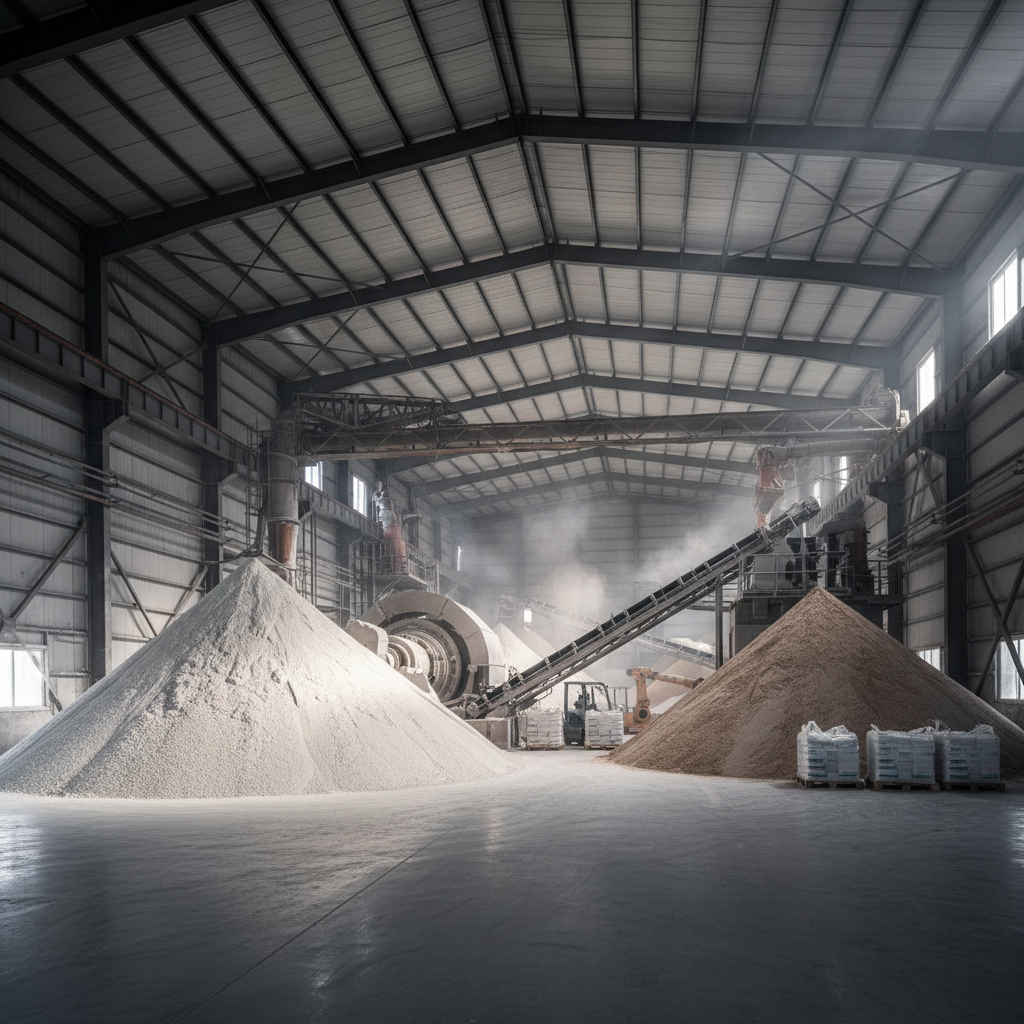
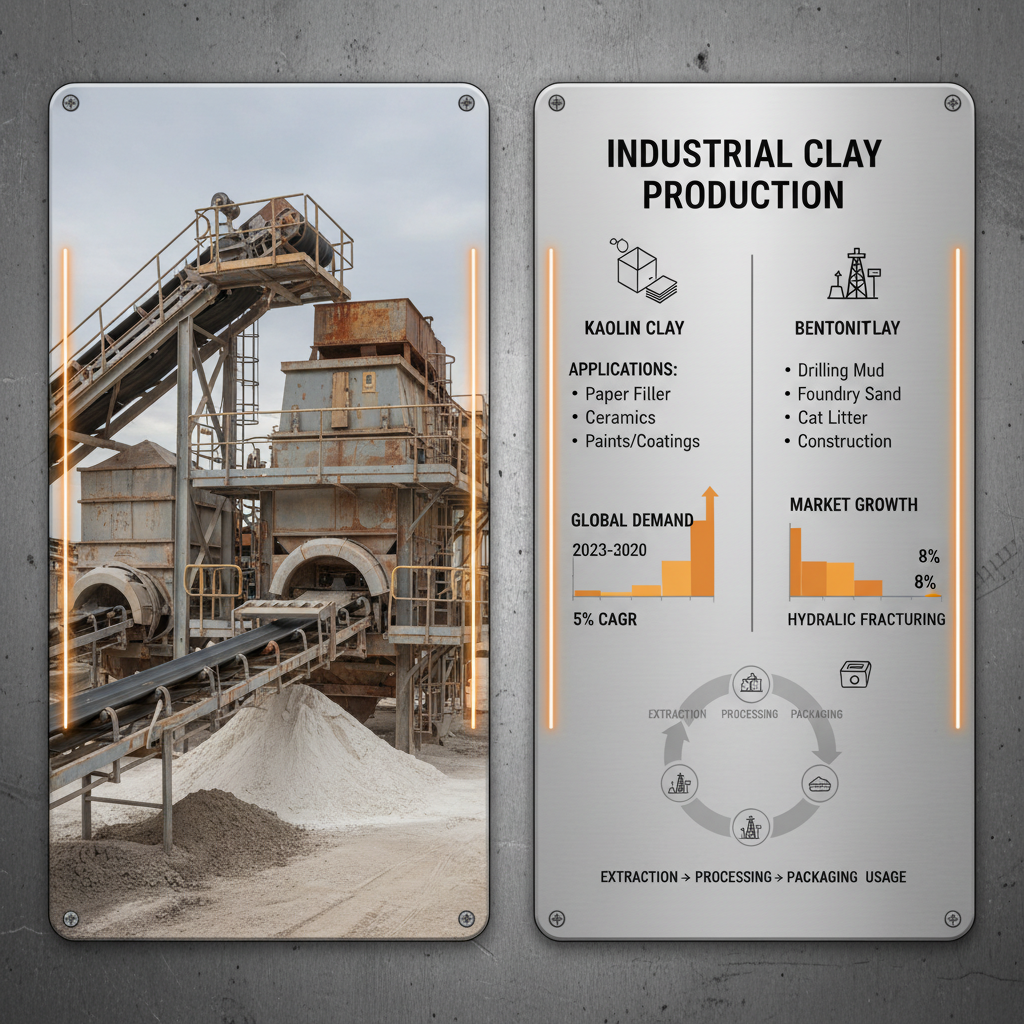
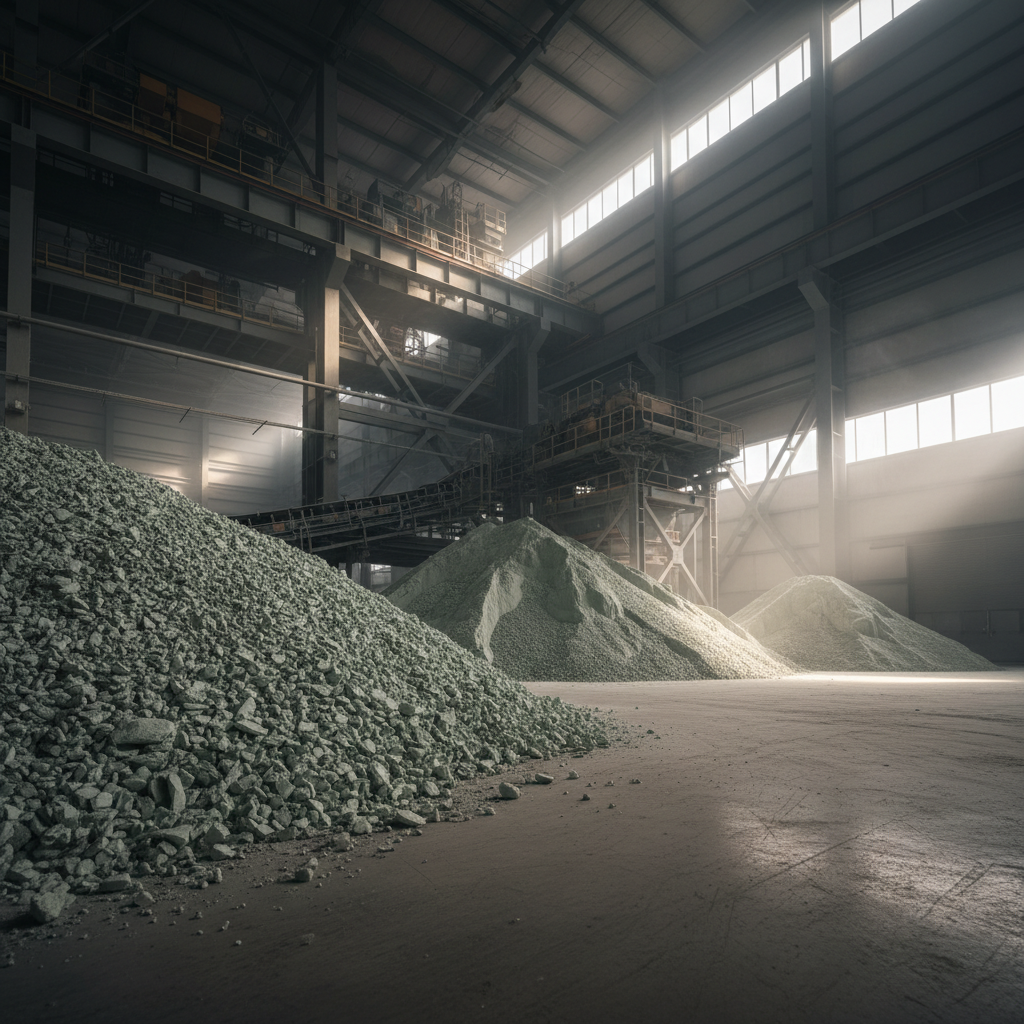
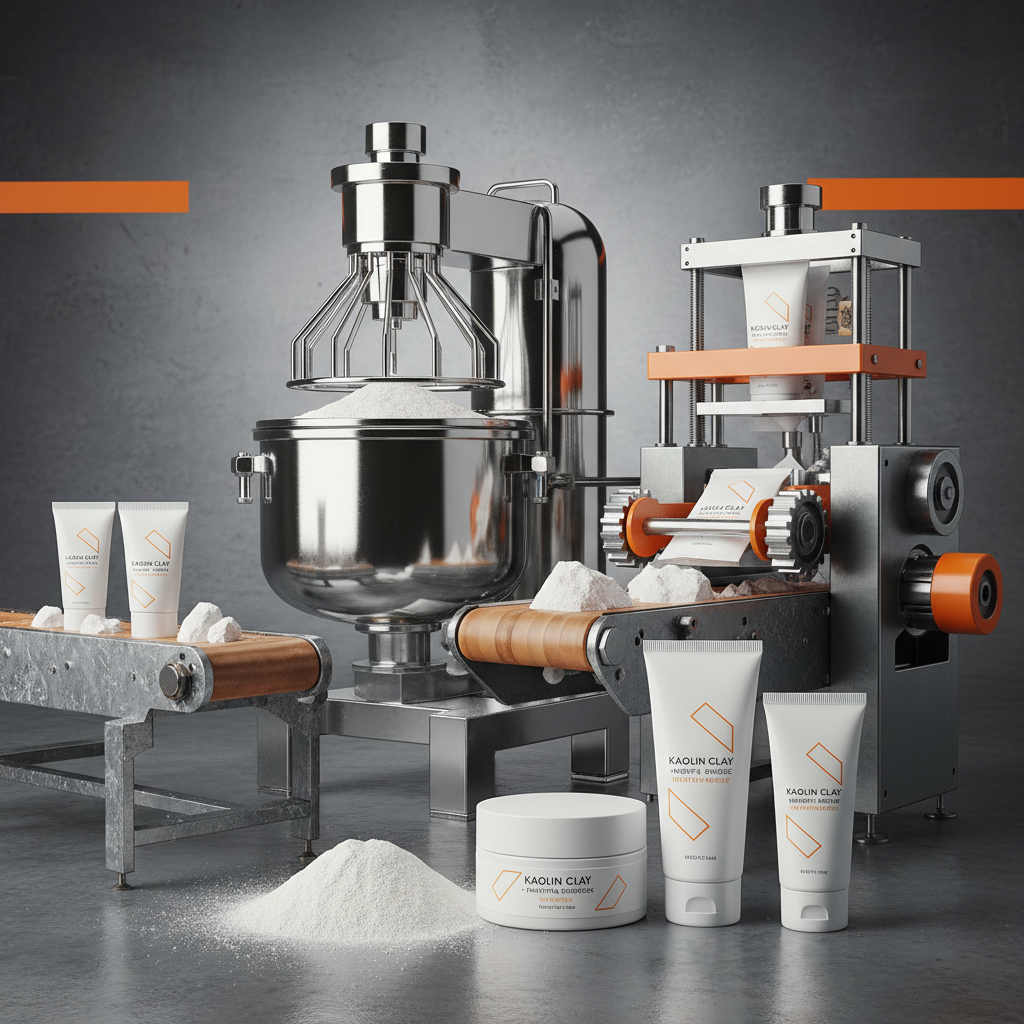
Kaolin clay and bentonite clay, while both types of clay minerals, possess distinct properties and applications impacting numerous industries globally. Kaolin, known for its whiteness and fine particle size, is widely used in paper coatings, ceramics, and cosmetics. Bentonite, conversely, excels in its swelling capacity and is crucial in drilling fluids, foundry sands, and as a sealant. Understanding the nuances of each clay – their composition, behavior, and optimal uses – is paramount for achieving efficiency and innovation across diverse sectors. The global market for these clays is substantial, driven by growing demand from construction, agriculture, and environmental remediation.
The significance of kaolin clay bentonite clay extends beyond industrial applications. Bentonite's absorbent properties make it valuable in animal feed, detoxification, and even pharmaceutical applications. Kaolin's inertness and low cost make it ideal for various filler applications. Global trade in these materials is governed by ISO standards and logistical considerations, playing a crucial role in supporting economies worldwide, particularly in regions with substantial clay deposits like China, Brazil, and the United States. The challenge lies in sustainable extraction and processing methods to minimize environmental impact.
Furthermore, ongoing research focuses on enhancing the properties of both clays through modification and composite materials, unlocking even more potential applications. These materials contribute to more sustainable practices within their various applications.
The Global Relevance of kaolin clay bentonite clay
The global market for kaolin clay bentonite clay is estimated to reach billions of dollars annually, with significant growth projected in the coming years. According to reports from the United Nations, demand is driven by expanding construction, agriculture, and environmental industries. Bentonite's use in civil engineering, particularly in slurry walls and landfill liners, is vital for environmental protection. Kaolin’s prominence in the paper industry, as a coating pigment, accounts for a large percentage of total kaolin production.
A key challenge within this expansive market is sourcing sustainable and ethically produced kaolin clay bentonite clay. Increasing environmental regulations and consumer demand for eco-friendly products necessitate responsible mining practices. Furthermore, geopolitical factors impacting supply chains, such as trade tariffs and transportation costs, represent a significant risk to consistent availability.
Defining kaolin clay bentonite clay
Kaolin clay, also known as china clay, is a soft, white clay primarily composed of the mineral kaolinite. It is formed by the chemical weathering of aluminum silicate minerals. Bentonite clay, on the other hand, is predominantly composed of montmorillonite, a smectite clay mineral. The key difference lies in their swelling capacity; bentonite dramatically expands when wet, while kaolin remains relatively stable.
These clays are intrinsically linked to modern industry. Kaolin provides the smoothness and brightness in paper, the durability in ceramics, and the aesthetic appeal in cosmetics. Bentonite’s unique properties serve critical functions in oil and gas drilling, acting as a vital component of drilling fluids, and in creating impermeable barriers for waste containment.
Understanding the mineralogy and characteristics of both kaolin clay bentonite clay is critical for maximizing their utility and adapting them to specific applications, from advanced ceramics to environmental engineering solutions.
Key Properties of kaolin clay bentonite clay
Kaolin clay's key properties include its whiteness, fine particle size, low shrinkage during drying, and chemical inertness. These characteristics make it an ideal pigment and filler. Bentonite’s strength lies in its high swelling capacity, adsorption properties, and plasticity. These make it an excellent sealant, absorbent, and binder.
The plasticity of bentonite is directly related to its layered structure and the presence of exchangeable ions between the layers. Kaolin’s lower plasticity and higher shear strength make it suitable for applications requiring structural integrity. The differing cation exchange capacities (CEC) between the two materials also contribute to their distinct behaviors in various chemical environments, influencing their performance in applications like water treatment and soil stabilization.
The particle size distribution and mineralogical composition are further crucial properties, impacting the workability, strength, and overall performance of products incorporating either kaolin clay bentonite clay. These factors are carefully controlled during processing to meet the specific requirements of diverse industrial applications.
Practical Applications Across Industries
Kaolin clay finds extensive use in the paper industry, where it improves paper opacity, smoothness, and printability. It is also a primary ingredient in ceramics, contributing to the strength and whiteness of porcelain and other ceramic products. The cosmetics industry utilizes kaolin for its absorbent and soothing properties in products like face masks and powders.
Bentonite clay plays a vital role in the oil and gas industry as a crucial component of drilling fluids, controlling viscosity and removing drill cuttings. Its sealing properties are exploited in landfill liners, preventing leachate contamination of groundwater. In agriculture, bentonite improves soil water retention and nutrient availability.
Comparative Performance of kaolin clay bentonite clay in Different Applications
Global Applications and Use Cases
In China and Brazil, large-scale kaolin mining operations support the global paper and ceramics industries. Australia is a significant producer of bentonite used extensively in the mining and construction sectors. Europe utilizes both clays in environmental remediation projects and specialized industrial processes.
In post-disaster relief operations, bentonite clay is employed to create temporary seals and stabilize contaminated areas. In remote industrial zones, kaolin clay serves as a cost-effective and readily available material for road construction and soil stabilization. NGOs leverage these properties for sustainable development initiatives in various regions worldwide.
Advantages and Long-Term Value
Kaolin clay bentonite clay offer several tangible benefits. Kaolin’s low cost and abundance make it economically attractive for large-scale applications. Bentonite’s sealing properties contribute to environmental sustainability by preventing contamination. Both clays demonstrate reliable performance and contribute to the durability of finished products.
Beyond the practical advantages, the use of these naturally occurring materials promotes safety, minimizes environmental impact, and fosters innovation in materials science. They contribute to a sense of trust and reliability in products, offering a sustainable alternative to synthetic materials.
Future Trends and Innovations
Research is focused on modifying kaolin clay bentonite clay with nanomaterials to enhance their properties and unlock new applications. Advances in green chemistry are exploring more sustainable extraction and processing methods. Digitalization and automation are optimizing clay processing plants for increased efficiency and reduced waste.
The integration of kaolin clay bentonite clay into advanced materials, such as geopolymers and nanocomposites, promises to create stronger, lighter, and more durable products. The growing emphasis on circular economy principles is driving efforts to recycle and reuse these valuable resources, furthering their long-term sustainability.
Furthermore, research into using kaolin and bentonite in carbon capture technologies is demonstrating a potential for using these materials to combat climate change.
Summary of Challenges and Potential Solutions for kaolin clay bentonite clay
| Challenge |
Impact on kaolin clay bentonite clay Application |
Potential Solution |
Implementation Cost (1-10) |
| Environmental Impact of Mining |
Reduced availability and increased regulation |
Sustainable mining practices, land reclamation |
7 |
| Supply Chain Disruptions |
Price volatility and material shortages |
Diversification of sourcing, regional production |
6 |
| Consistency of Quality |
Variable performance in end-products |
Stringent quality control measures, standardized testing |
5 |
| Limited Functionality |
Restricted applications |
Nanomaterial modification, composite creation |
8 |
| Waste Management of Clay Byproducts |
Environmental concerns and disposal costs |
Repurposing byproducts in construction or agriculture |
4 |
| Lack of Public Awareness |
Undervalued potential and limited adoption |
Educational campaigns, promotion of sustainable applications |
3 |
FAQS
Kaolin clay exhibits minimal swelling when exposed to water due to its stable crystalline structure. In contrast, bentonite clay, containing montmorillonite, dramatically expands upon hydration as water molecules penetrate between its layered structure. This swelling capacity is crucial for applications like sealing and drilling, but makes kaolin preferable when dimensional stability is required. Understanding this difference is vital for selecting the appropriate clay for a given application, ensuring optimal performance and longevity.
Bentonite clay is a critical component of drilling fluids in the oil and gas industry. Its high viscosity and swelling capacity help to control borehole pressure, remove drill cuttings, and stabilize the wellbore walls. It also forms a filter cake on the wellbore, preventing fluid loss into the surrounding formation. The unique properties of bentonite contribute significantly to the efficiency and safety of oil and gas exploration and extraction.
Kaolin clay mining can lead to habitat destruction, soil erosion, and water contamination. The extraction process often involves clearing vegetation and excavating large areas of land. Dust generated during mining can also impact air quality. Sustainable mining practices, including land reclamation, water management, and dust control measures, are essential to mitigate these environmental impacts and ensure responsible resource utilization.
Yes, kaolin clay can be used as a filtration medium to remove suspended solids and some contaminants from water. Its porous structure and large surface area allow it to adsorb impurities. However, it is typically used in conjunction with other filtration media, such as sand and activated carbon, to achieve optimal water purification. Kaolin's affordability and availability make it a viable option for water treatment in various applications.
Cation exchange capacity (CEC) is a critical property of bentonite clay, reflecting its ability to attract and retain positively charged ions. This characteristic is directly related to its layered structure and negative surface charge. The CEC influences bentonite's swelling capacity, adsorption properties, and its effectiveness in applications such as soil stabilization and contaminant removal. Higher CEC values generally indicate greater effectiveness in these applications.
Kaolin clay is used in the pharmaceutical industry as an excipient – an inactive ingredient that serves as a binding agent or filler in tablets and capsules. Its inertness and non-toxicity make it safe for oral consumption. It's also a common ingredient in anti-diarrheal medications, where it helps to absorb excess fluids and toxins in the digestive system. The fine particle size and purity of pharmaceutical-grade kaolin are critical for ensuring product safety and efficacy.
Conclusion
In conclusion, kaolin clay bentonite clay represent versatile and essential materials with widespread applications across diverse industries. From supporting global paper production and oil exploration to contributing to environmental remediation and pharmaceutical formulations, these clays offer unique properties and substantial economic value. Understanding their distinct characteristics and harnessing their potential is crucial for driving innovation and sustainability in the years to come.
Looking ahead, continued research and development focused on sustainable extraction methods, nanomaterial modification, and innovative applications will further enhance the value of kaolin clay bentonite clay. We encourage you to explore the possibilities these materials offer and consider them for your specific needs. Visit our website at www.huabangmica.com to learn more and discover how we can partner with you.