Look, I’ve spent fifteen years wading through mud on construction sites, wrestling with blueprints, and honestly, smelling a lot of concrete. And I'll tell you, keeping water out of structures – whether it's basements, tunnels, or even just a solid foundation – is the single biggest headache. It’s not glamorous, but it's absolutely fundamental. That’s where bentonite sheet waterproofing comes in. It’s not a new technology, not a flashy one, but it’s a damn reliable one. It's the unsung hero of a lot of projects, and understanding it properly can save you time, money, and a whole lot of headaches down the line. We're talking about preventing structural damage, mold growth, and costly repairs, all starting with a smart waterproofing solution.
Now, you've got all sorts of waterproofing methods out there – membranes, coatings, injection grouts. But bentonite, in sheet form, offers a unique advantage. It's a natural clay, expands when it hydrates, and creates a self-sealing barrier. It doesn't rely on perfect application like some liquid membranes do, it’s a bit more forgiving. And honestly, on a busy site, you need solutions that are forgiving. I've seen too many projects delayed because a coating went on slightly unevenly. This sheet stuff? It's got built-in redundancy.
What I’ve found is that contractors are looking for solutions that are effective, easy to install, and don't break the bank. Bentonite sheet waterproofing ticks those boxes. It's especially useful in challenging ground conditions, where traditional methods might struggle. And with increasing environmental concerns, using a natural material like bentonite is a real plus. We’re all trying to build smarter and more sustainably these days, and this fits right in.
Introduction to bentonite sheet waterproofing
Bentonite sheet waterproofing isn't some fancy new tech; it’s been a workhorse in the construction industry for decades. You see it in basements, tunnels, landfills, and anywhere you need a reliable barrier against water ingress. The global construction industry is a massive beast—worth trillions of dollars—and a significant chunk of that is dedicated to mitigating water damage. The UN estimates that water-related disasters cost billions annually, and a lot of that comes down to inadequate waterproofing. bentonite sheet waterproofing addresses that directly.
It’s become particularly important as we face more extreme weather events and rising water tables. Traditional methods can fail when conditions are less than ideal, but bentonite’s self-healing properties give it a significant edge. The demand is increasing, especially in areas with challenging soil conditions and a growing awareness of long-term building sustainability. It’s a cost-effective solution in the long run, avoiding expensive repairs and maintaining structural integrity.
Defining Bentonite Sheet Waterproofing
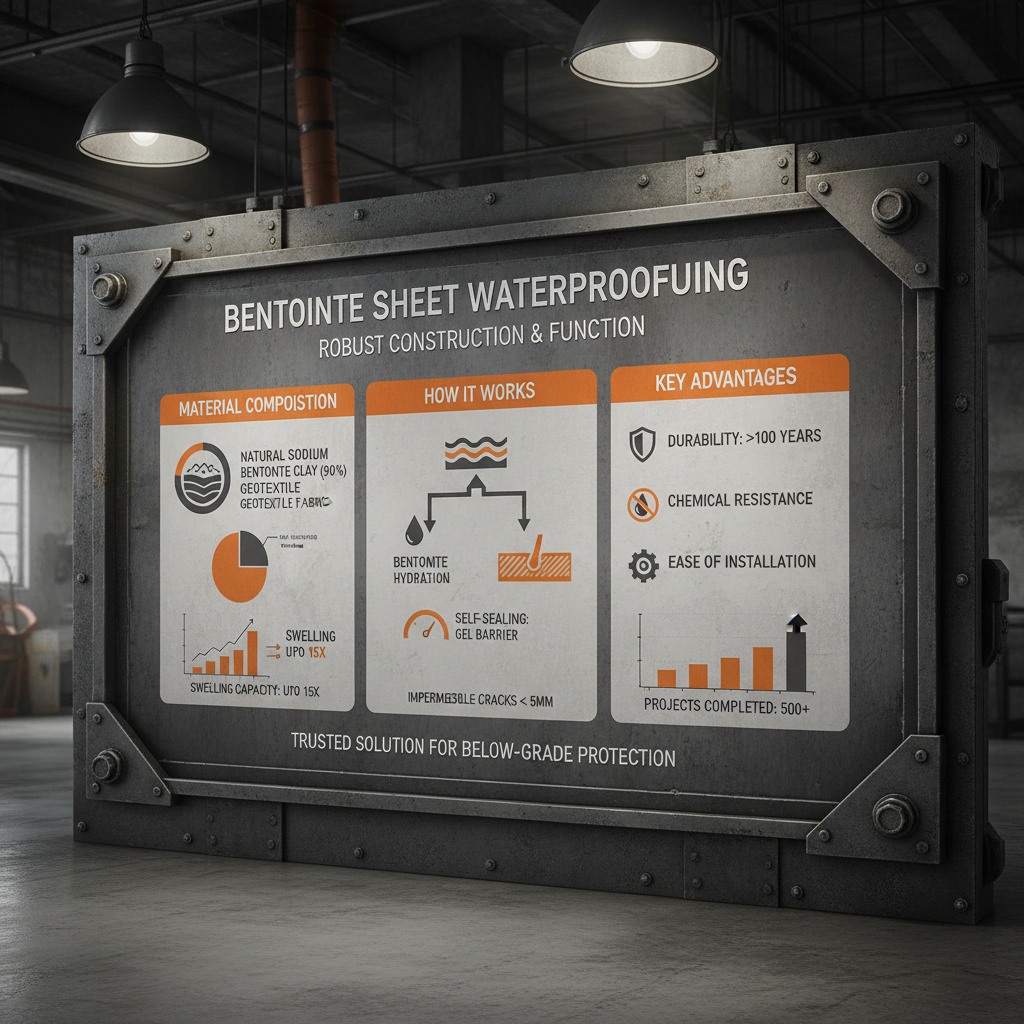
Simply put, bentonite sheet waterproofing is a geosynthetic material comprised of a layer of sodium bentonite clay encapsulated between two layers of geotextile. That clay is the magic ingredient. When it comes into contact with water, it swells up to 15-20 times its dry volume, creating a watertight barrier. It’s like a self-sealing bandage for your foundations.
It’s different from just dumping bentonite powder into the ground. The sheet form provides a consistent, controlled application, and the geotextiles protect the clay from erosion and damage during installation. This isn't just about keeping water out of buildings; it's also crucial for environmental protection – preventing groundwater contamination from landfills, for instance, or protecting sensitive ecosystems from runoff.
The connection to modern industry and humanitarian needs is clear. From ensuring the structural integrity of critical infrastructure to providing safe water sources in disaster-stricken areas, bentonite sheet waterproofing plays a vital, often unseen, role. It's a practical, reliable technology that addresses a fundamental need.
Key Factors of Bentonite Sheet Waterproofing
Durability: This stuff lasts. When properly installed, bentonite sheeting can provide decades of reliable waterproofing. It’s not susceptible to the same degradation as some polymeric membranes, which can become brittle over time. I’ve seen installations that are 20+ years old still performing flawlessly.
Self-Healing Ability: This is the big one. If the sheet is punctured or damaged, the swelling clay will automatically seal the breach. This inherent redundancy is a huge advantage over other systems that require immediate repair. It’s a lifesaver on a busy construction site where minor damage is almost inevitable.
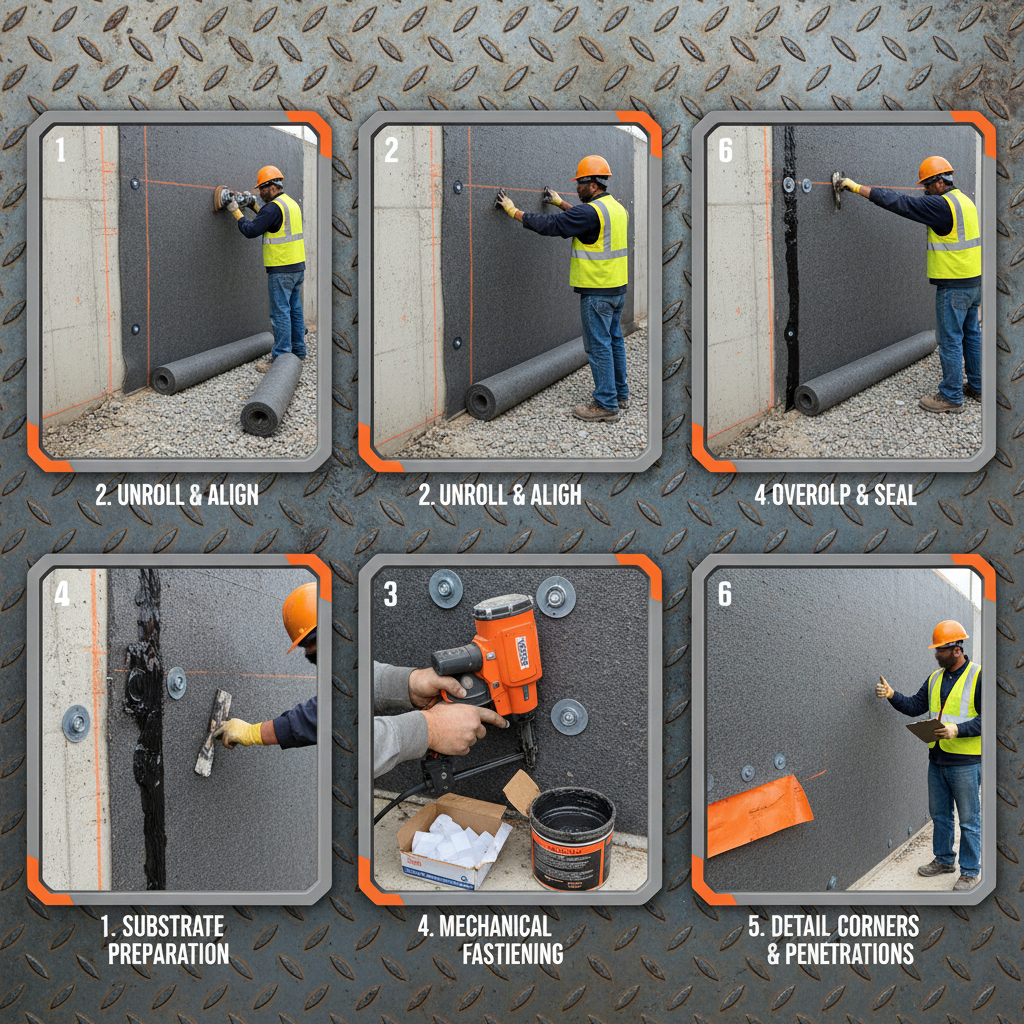
Ease of Installation: Compared to some complex waterproofing systems, bentonite sheets are relatively easy to install. They can be overlapped and sealed, requiring minimal specialized equipment or training. This translates to faster installation times and reduced labor costs.
Cost-Effectiveness: While the initial cost might be comparable to other methods, the long-term benefits – reduced repair costs, extended lifespan, and minimal maintenance – make bentonite sheeting a highly cost-effective solution.
Environmental Friendliness: Bentonite is a natural clay mineral, making it a more sustainable option than many synthetic waterproofing materials. It’s non-toxic and doesn't leach harmful chemicals into the environment.
Adaptability: Bentonite sheets can be used in a wide range of applications and soil conditions, making them a versatile waterproofing solution.
Global Applications and Use Cases
You see bentonite sheet waterproofing everywhere. It’s a mainstay in basement waterproofing, preventing water damage to homes and commercial buildings. It's vital in tunnel construction, providing a watertight seal against groundwater intrusion. Landfills rely on it to prevent leachate contamination, protecting surrounding ecosystems.
In post-disaster relief operations, it can be used to quickly create temporary dams or containment structures. I’ve seen it deployed in remote industrial zones where access for other waterproofing methods is limited. bentonite sheet waterproofing is also increasingly used in agricultural applications, lining irrigation canals and reservoirs to prevent water loss.
Regions with high water tables or challenging soil conditions—like the Netherlands, Florida, and parts of Southeast Asia—are major consumers. Organizations like the World Bank and various NGOs are utilizing it in infrastructure projects in developing countries, where reliable and cost-effective waterproofing is critical.
Comparison of Bentonite Sheet Waterproofing Methods
Advantages & Long-Term Value
The tangible benefits are clear: reduced construction costs due to faster installation and lower labor requirements, minimized maintenance and repair expenses over the lifespan of the structure, and increased property value due to enhanced protection against water damage. It’s a smart investment, plain and simple.
But it goes beyond that. There's the peace of mind knowing you’ve built something that will last, a structure that’s resilient and reliable. There’s the social impact of preventing water-related health issues and providing safe, dry living spaces. And, honestly, there’s the satisfaction of knowing you’ve used a sustainable material and contributed to a more responsible building practice. That earns trust with clients and builds your reputation.
Future Trends & Innovations
We’re seeing a push towards integrating bentonite with other geosynthetic materials to create hybrid waterproofing systems with enhanced performance. Research is focused on improving the clay’s swelling capacity and enhancing its resistance to chemical degradation. Nanotechnology is also being explored, potentially allowing for even more precise control over the clay’s properties.
The rise of Building Information Modeling (BIM) and digital twins will allow for more accurate modeling and prediction of waterproofing performance, optimizing the use of bentonite sheet waterproofing in complex projects. And as sustainability becomes even more paramount, expect to see greater demand for eco-friendly materials like bentonite.
Challenges & Solutions
Installation in extremely cold temperatures can be tricky – the clay can freeze and become difficult to work with. Proper site preparation is crucial; you need to ensure the subgrade is properly compacted and free of sharp objects that could puncture the sheeting. And, like any geosynthetic material, it’s vulnerable to UV degradation if left exposed for extended periods.
The solutions are straightforward. For cold weather installations, use heated storage and application techniques. Thorough site preparation is non-negotiable. And always protect the sheeting with a layer of backfill as soon as possible. bentonite sheet waterproofing suppliers are also developing UV-resistant coatings to further enhance durability.
Finally, proper training and certification of installers are essential. It's not rocket science, but doing it right makes all the difference.
Summary of Bentonite Sheet Waterproofing Challenges and Solutions
| Challenge |
Severity (1-10) |
Likelihood (1-10) |
Proposed Solution |
| Cold Weather Installation |
7 |
6 |
Heated Storage & Application |
| Improper Site Preparation |
9 |
8 |
Thorough Compaction & Debris Removal |
| UV Degradation |
5 |
7 |
Prompt Backfill & UV Coatings |
| Punctures During Installation |
6 |
5 |
Careful Handling & Overlap |
| Inadequate Installer Training |
8 |
6 |
Certification Programs & On-Site Supervision |
| Subgrade Instability |
7 |
4 |
Soil Stabilization & Geotextile Layer |
FAQS
Salinity can impact bentonite's swelling capacity, but specially formulated sodium bentonite sheets are designed to resist salt degradation. These sheets often include additives that mitigate the effects of saline environments, ensuring continued performance. Proper site assessment is crucial to determine the level of salinity and select the appropriate bentonite product. Long-term monitoring may also be recommended in highly saline conditions.
With proper installation and protection, bentonite sheet waterproofing can last for 50 years or more. The longevity depends on factors like soil conditions, exposure to UV radiation, and mechanical stress. Regular inspections can help identify any potential issues early on and ensure continued effectiveness. It's a long-term investment that offers significant value over time.
Absolutely. Bentonite sheet waterproofing is often used as part of a multi-layered waterproofing system. It can be combined with membranes, coatings, or drainage layers to provide enhanced protection. For example, it's common to use bentonite sheeting as a primary barrier and then install a drainage layer to manage any water that does penetrate.
Yes, bentonite is a natural clay mineral, making it a very eco-friendly option. It’s non-toxic and doesn’t leach harmful chemicals into the environment. Plus, it requires less energy to produce compared to many synthetic waterproofing materials. Choosing bentonite supports sustainable construction practices and reduces your project’s environmental footprint.
While not overly complex, proper installation is key for performance. It's best to use experienced installers who have been trained in bentonite sheet waterproofing techniques. Key skills include accurate sheet placement, proper overlapping and sealing, and careful handling to avoid punctures. Certification programs are available to ensure installers meet quality standards.
Bentonite's inherent flexibility and self-healing properties allow it to accommodate some degree of ground movement or settlement without compromising its waterproofing integrity. The swelling clay can adapt to minor shifts and seal any cracks that may develop. However, significant ground movement may require additional engineering considerations.
Conclusion
Bentonite sheet waterproofing is a proven, reliable, and cost-effective solution for a wide range of waterproofing challenges. Its unique self-healing properties, ease of installation, and environmental benefits make it a standout choice for projects of all sizes. It's not a glamorous technology, but it's a foundational one, preventing water damage and ensuring the long-term durability of structures.
Looking ahead, we'll see continued innovation in bentonite-based waterproofing systems, with a focus on enhancing performance, sustainability, and integration with digital technologies. By embracing these advancements and prioritizing proper installation practices, we can unlock the full potential of this versatile material and build a more resilient future. For more information and to discuss your specific project needs, visit our website at www.huabangmica.com.