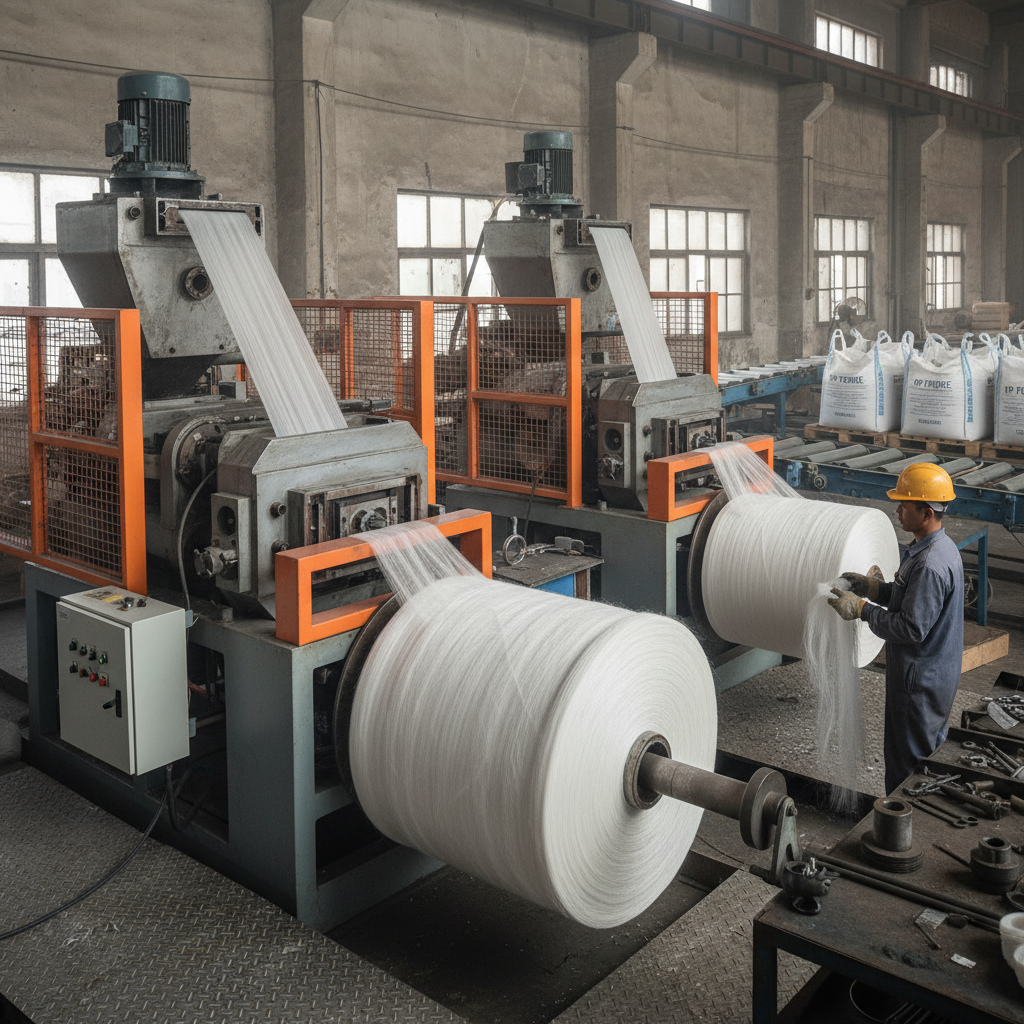
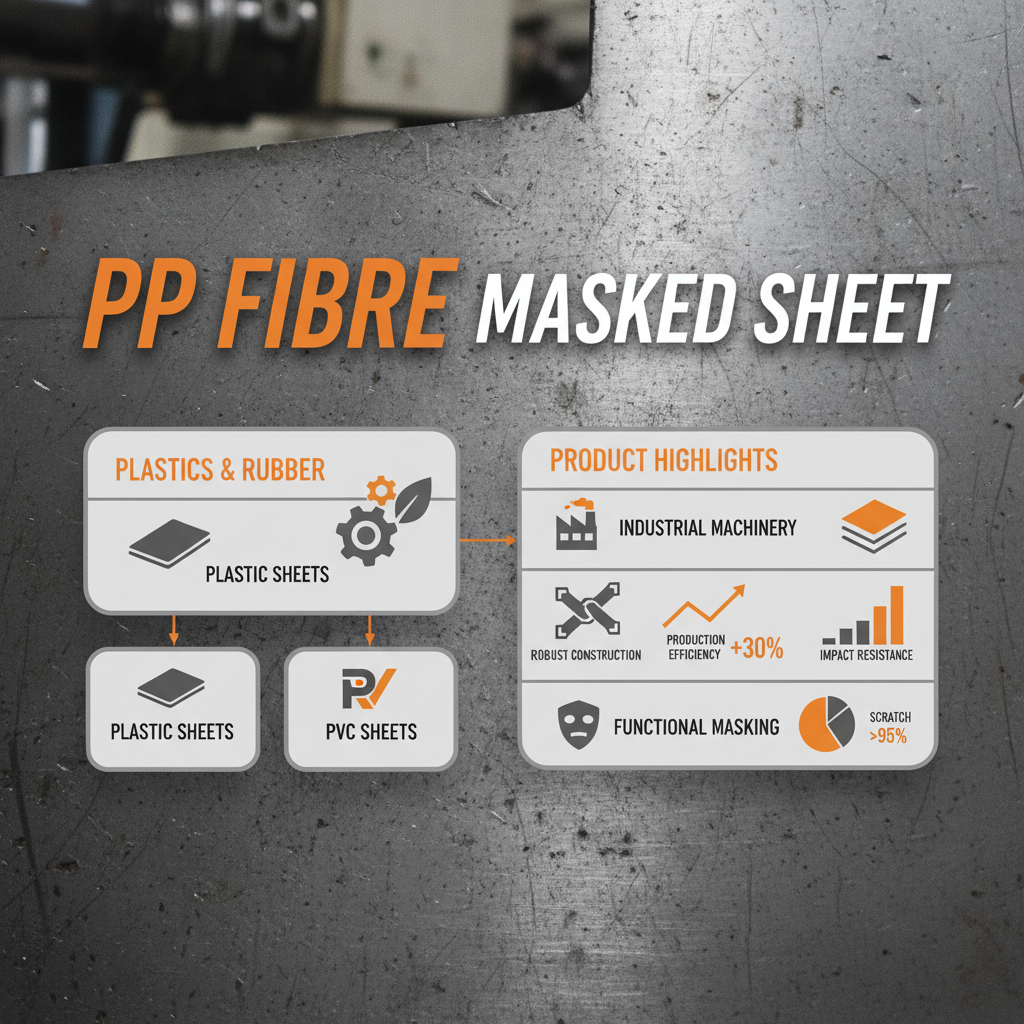
Look, I've spent the last fifteen years breathing concrete dust and dodging rebar on construction sites. I've seen materials come and go, trends flare up and fizzle out. And honestly? The one thing that consistently delivers – the stuff that makes a project run smoother and avoids headaches down the line – is good, reliable pp fibre. It's not glamorous, it’s not always the cheapest upfront, but it's the backbone of durable, long-lasting construction. We’re talking about a material that's changed how we approach concrete reinforcement, and frankly, saved a lot of time and money in the long run.
What I’ve noticed is a lot of folks still treat pp fibre as some sort of luxury add-on. They don't realize it’s becoming a necessity. The pressures on modern construction – tighter budgets, faster timelines, demand for more sustainable practices – they all point towards solutions like this. The old ways of doing things, relying solely on wire mesh and traditional rebar, are simply becoming unsustainable. The demand is only going to grow, driven by the need for structures that can withstand increasing stress and extreme weather.
And it’s not just about big infrastructure projects either. From precast concrete elements to residential foundations, pp fibre is proving its worth across the board. I've seen crews shave days off pouring times, reduce cracking significantly, and ultimately deliver a higher quality product. That’s what matters on the ground, where the real work gets done.
The Core Benefits of pp fibre in Construction
What I’ve consistently seen on site is that pp fibre dramatically reduces plastic shrinkage cracking in concrete. That’s huge. Less cracking means less maintenance, longer lifespan, and a better finished product. It’s also surprisingly versatile. You can tailor the dosage to the specific requirements of the project, optimizing for cost and performance.
Beyond crack control, it improves impact resistance and toughness. This is especially important in areas prone to seismic activity or where concrete structures are subjected to heavy loads. It's a preventative measure, really. Investing in pp fibre upfront avoids costly repairs and potential failures down the line.
Global Relevance and Growing Demand
Look around the world. Developing nations are experiencing rapid urbanization, and concrete is the material of choice for infrastructure. But many of these regions lack the resources for extensive traditional reinforcement. pp fibre offers a cost-effective and efficient alternative, enabling them to build stronger, more durable structures with less reliance on skilled labor.
Even in established markets, the demand is growing. The push for sustainable construction practices is driving interest in materials that reduce the carbon footprint of concrete. pp fibre, being a lightweight material, contributes to that goal. Plus, with the increasing frequency of extreme weather events, the need for resilient infrastructure is more critical than ever.
I was talking to a guy from the UN just last month, and they’re actively exploring pp fibre for disaster relief housing. Quick deployment, durable construction, and affordability – it ticks all the boxes. The ISO standards are also evolving to better accommodate and validate the use of these kinds of fiber reinforcements, which is a good sign.
Defining pp fibre: A Modern Reinforcement Solution
Simply put, pp fibre is polypropylene fibers that are added to concrete mixes. Think of it as tiny, distributed reinforcement throughout the concrete matrix. It’s not meant to replace rebar entirely in all applications – let's be clear about that – but it significantly enhances the concrete’s properties.
It’s a game-changer because it addresses a key weakness of concrete: its tensile strength. Concrete is strong in compression (withstanding crushing forces), but weak in tension (withstanding pulling forces). pp fibre helps bridge those micro-cracks that inevitably form, distributing the stress and preventing them from propagating into larger, structural failures.
The connection to modern industry and humanitarian needs is straightforward. It allows us to build more robust infrastructure faster and more affordably, particularly in situations where traditional reinforcement methods are impractical or cost-prohibitive. It's not just about building something; it's about building something that lasts.
Key Properties and Performance Characteristics
We talk a lot about crack control, but pp fibre does a lot more. First off, the durability is exceptional. These fibers are chemically inert, meaning they won't corrode or degrade over time, unlike steel rebar which is susceptible to rust. This is huge for longevity, especially in harsh environments.
Then there's scalability. You can easily adjust the fiber dosage based on the specific project requirements. More fiber generally means greater strength and crack resistance, but you can fine-tune it to achieve the optimal balance between cost and performance.
pp fibre Performance Metrics
Real-World Applications Across Industries
I’ve seen pp fibre used in everything from airport runways to wastewater treatment plants. In post-disaster relief operations, it’s invaluable for rapidly constructing temporary shelters and essential infrastructure. The speed of application is a lifesaver.
In remote industrial zones, where access to skilled labor and traditional materials is limited, it enables local communities to build durable and cost-effective structures. I’ve worked on projects in Africa where pp fibre made the difference between a project succeeding and failing. The precast concrete industry has really embraced it, too, improving the quality and efficiency of their products.
Advantages and Long-Term Value Proposition
Let's talk straight dollars and cents. Yes, there’s an initial cost for the pp fibre itself. But when you factor in reduced cracking, lower maintenance costs, and extended lifespan, it almost always comes out ahead. You're avoiding expensive repairs and replacements down the line.
Beyond the financial benefits, there’s a social impact. Durable infrastructure means safer communities. Reduced waste and lower carbon emissions contribute to a more sustainable future. And for construction workers, it often means a simpler, more efficient job. It’s a win-win-win.
Future Trends and Innovations in pp fibre Technology
The big push right now is towards developing even more sustainable pp fibre options, using recycled materials or bio-based polymers. That’s going to be huge. I'm also seeing a lot of innovation in fiber geometry – different shapes and sizes to optimize performance for specific applications.
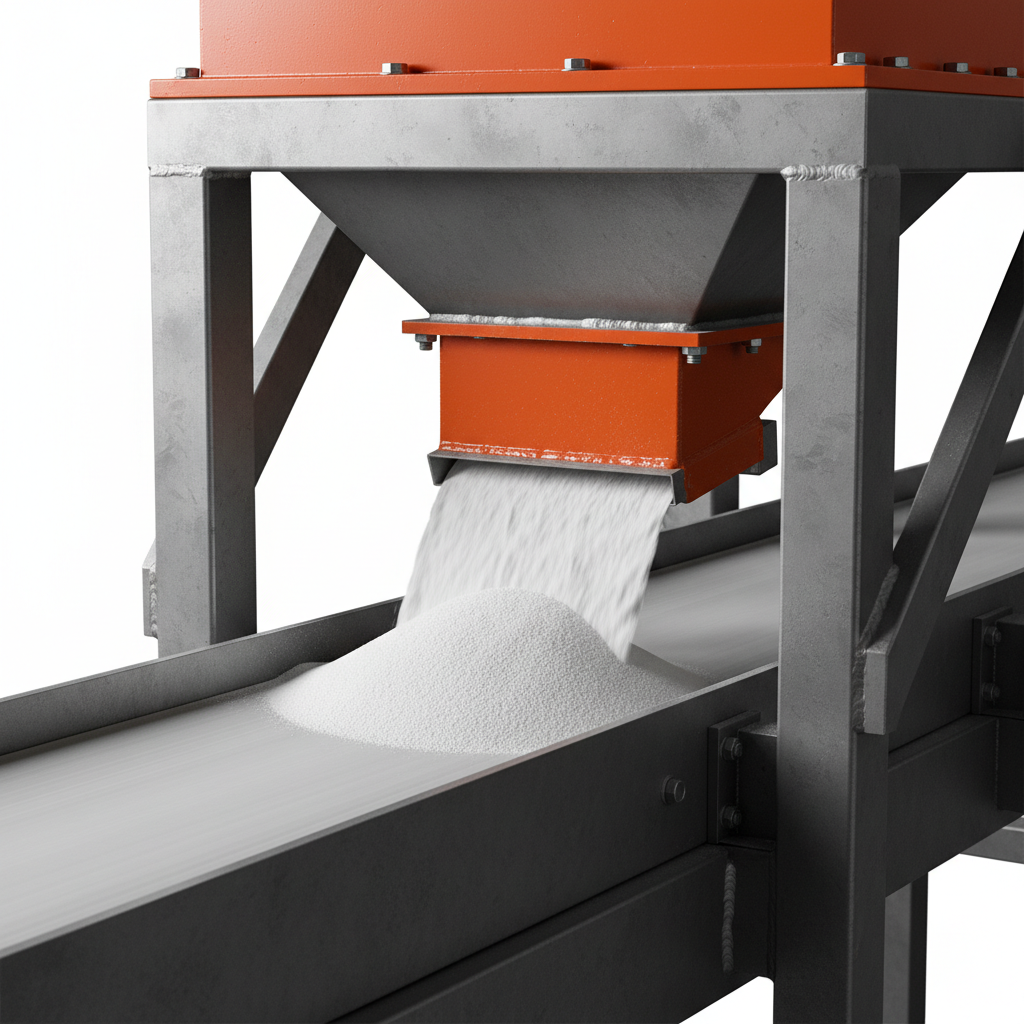
Automation is another key trend. Automated fiber dosing systems are making it easier and more precise to incorporate pp fibre into concrete mixes, further improving efficiency and quality. And as we move towards more digital construction processes, I expect to see pp fibre performance data integrated into building information modeling (BIM) software.
The integration of smart sensors within the concrete matrix, alongside the pp fibre, for real-time structural health monitoring is also something to watch. That will provide early warnings of potential issues, allowing for proactive maintenance and preventing catastrophic failures.
Summary of Challenges and Solutions for pp fibre Implementation
| Challenge |
Impact on Project |
Proposed Solution |
Implementation Cost (1-10) |
| Inconsistent Fiber Dispersion |
Reduced Crack Resistance |
Automated Fiber Dosing Systems |
7 |
| Lack of Skilled Labor |
Improper Mixing and Application |
On-site Training and Certification Programs |
5 |
| Initial Material Cost |
Budget Constraints |
Life Cycle Cost Analysis |
4 |
| Limited Awareness |
Resistance to Adoption |
Industry Workshops and Case Studies |
6 |
| Quality Control Concerns |
Variations in Fiber Properties |
Stringent Supplier Quality Assurance |
8 |
| Compatibility Issues |
Negative Interaction with Admixtures |
Thorough Mix Design Testing |
6 |
FAQS
From what I've seen over the years, incorporating pp fibre can realistically extend the service life of concrete structures by anywhere from 20-50%, depending on the environmental conditions and the original concrete mix design. The reduction in cracking drastically slows down the ingress of water and chlorides, which are the primary culprits in concrete deterioration. It’s a significant long-term benefit.
In seismic zones, pp fibre adds a crucial layer of ductility. It doesn’t replace rebar entirely, but it significantly improves the concrete's ability to withstand repeated stress cycles without catastrophic failure. It helps distribute the energy from an earthquake, reducing the risk of brittle fracture. It’s often used in conjunction with rebar for optimal performance.
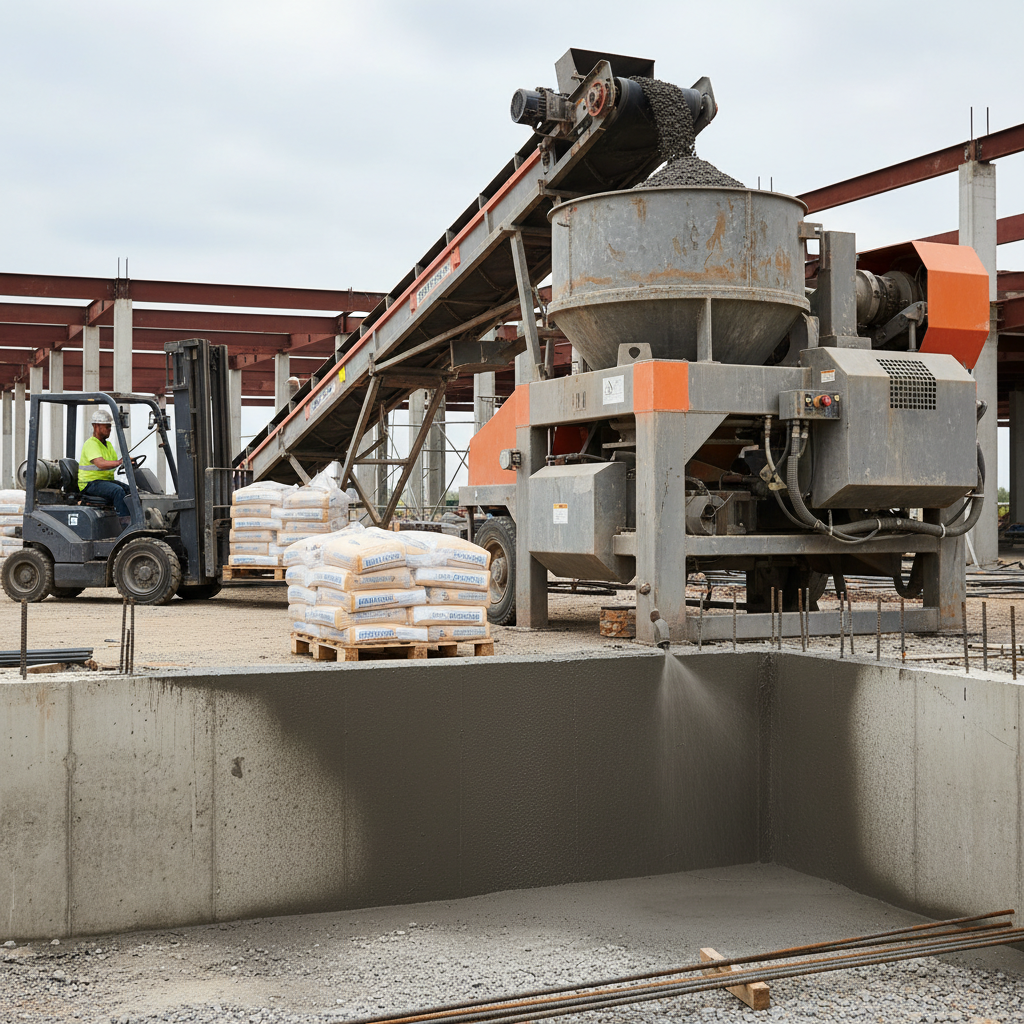
Absolutely. It’s increasingly used in concrete repair applications, particularly for crack sealing and surface strengthening. Shotcrete mixes with pp fibre are commonly applied to repair damaged concrete surfaces, improving their durability and resistance to further deterioration. It's a cost-effective way to extend the life of aging infrastructure.
The dosage rate varies depending on the application and desired performance characteristics. Generally, it ranges from 0.5 to 3 kg of pp fibre per cubic meter of concrete. We often start with around 1 kg/m³ for typical crack control and then adjust based on specific project needs and mix designs. A concrete specialist can help dial that in.
It can, slightly. The fibers add to the mixture’s viscosity. However, this effect can be easily mitigated by adjusting the water-cement ratio and using appropriate admixtures. It's rarely a major issue, and the benefits of improved performance far outweigh any minor adjustments needed to the concrete mix.
Compared to traditional reinforcement methods, pp fibre has a lower carbon footprint due to its lighter weight and reduced material consumption. Plus, many manufacturers are now producing pp fibre from recycled polypropylene, further enhancing its sustainability credentials. It’s a step in the right direction.
Conclusion
pp fibre isn’t just another building material; it’s a fundamental shift in how we approach concrete reinforcement. From improving durability and reducing cracking to increasing sustainability and lowering lifecycle costs, the benefits are clear. It's a practical, proven solution that addresses many of the challenges facing the construction industry today.
I've seen firsthand how this stuff can make a difference on the jobsite. I encourage anyone involved in concrete construction—engineers, contractors, developers—to explore its potential. Don’t just take my word for it; do your research, run some tests, and see for yourself. Visit our website at www.huabangmica.com to learn more and discuss your project needs.