Kaolin clay in skincare has emerged as a globally recognized ingredient, prized for its gentle yet effective properties. Its appeal transcends geographical boundaries, finding applications in diverse beauty routines across continents. From ancient traditional practices to modern cosmetic formulations, kaolin clay’s ability to absorb impurities and soothe sensitive skin makes it a cornerstone of effective skincare regimens. Understanding its composition, benefits, and appropriate uses is crucial for both consumers and skincare professionals alike.
The increasing demand for natural and gentle skincare solutions has further propelled the prominence of kaolin clay. Driven by a growing awareness of harmful chemicals in conventional products, consumers are actively seeking alternatives that prioritize skin health without compromising efficacy. This shift has resulted in a significant uptick in the use of kaolin clay, sourced responsibly from various regions worldwide, impacting industries and supply chains globally. The cosmetic industry, responding to this consumer demand, is actively integrating kaolin clay into a wide array of products.
The versatility of kaolin clay in skincare allows it to address a wide range of skin concerns, from acne and oiliness to dryness and sensitivity. Its mild exfoliating action, coupled with its ability to draw out toxins, makes it an ideal ingredient for masks, cleansers, and even everyday moisturizers. This widespread adoption underscores its importance in a market increasingly focused on holistic and natural skincare solutions.
Introduction to Kaolin Clay in Skincare
Kaolin clay, often referred to as white clay, is a naturally occurring mineral known for its exceptionally fine particle size and gentle nature. It's a hydrated aluminum silicate, formed through the chemical weathering of aluminum-rich minerals. In the realm of skincare, it’s celebrated for its ability to purify and detoxify the skin without causing irritation, making it suitable for all skin types, including sensitive skin.
The use of kaolin clay in skincare isn’t a modern invention. Historically, it's been used for centuries in traditional medicine and cosmetic practices, particularly in Asia, where it was valued for its cleansing and healing properties. Today, it forms the base of many popular skincare products, offering a natural and effective way to improve skin health and appearance.
Historical and Geological Context
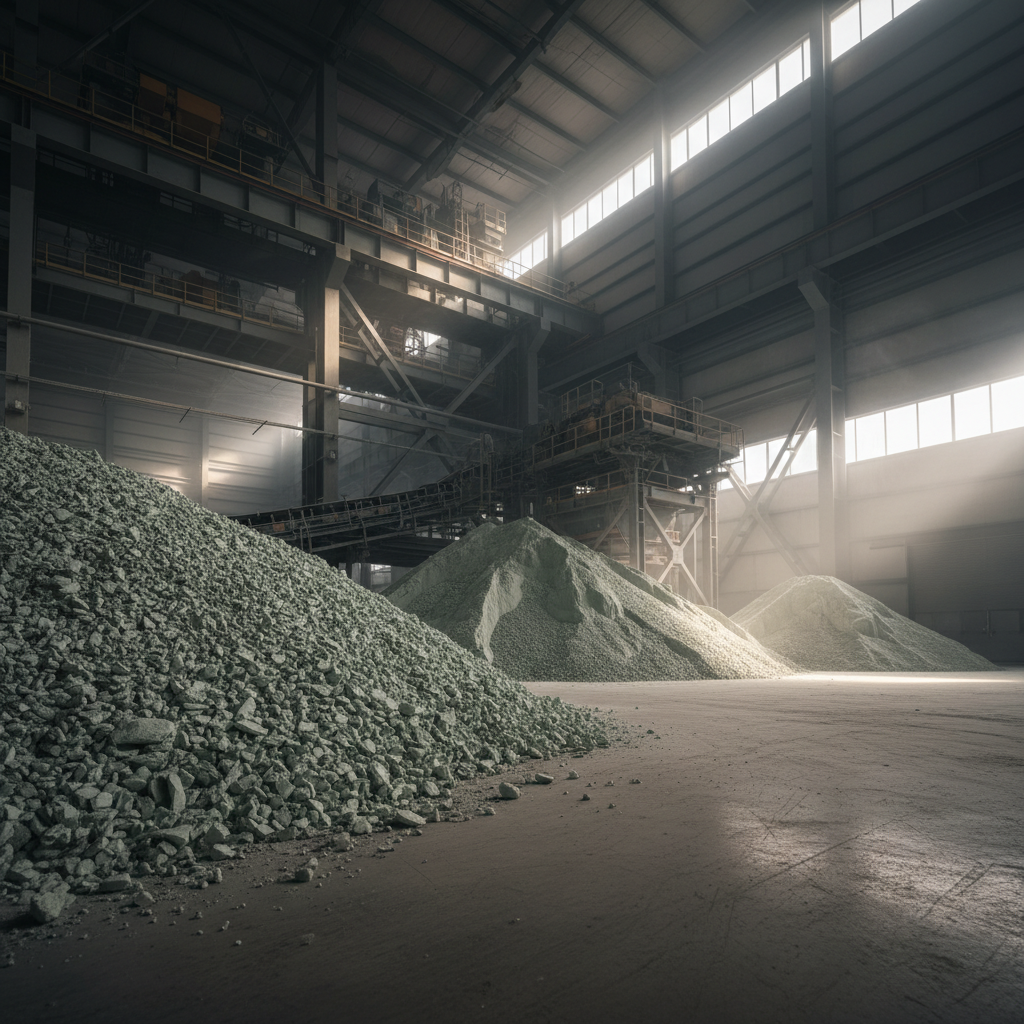
The story of kaolin clay begins millions of years ago with the weathering of granite and other aluminum-rich rocks. This slow process, driven by water and atmospheric conditions, resulted in the formation of kaolinite, the primary mineral component of kaolin clay. Significant deposits of kaolin clay are found worldwide, with major sources in countries like China, the United States, Brazil, and the United Kingdom. Each location imparts slightly different characteristics to the clay, influenced by the specific geological conditions.
Throughout history, various civilizations have recognized the unique properties of kaolin. Ancient Egyptians utilized it for embalming and cosmetic purposes, while traditional Chinese medicine incorporated it into remedies for skin ailments. European porcelain manufacturers, beginning in the 18th century, discovered its essential role in creating fine, translucent porcelain, leading to its widespread mining and processing. This history demonstrates kaolin clay’s multifaceted applications beyond skincare.
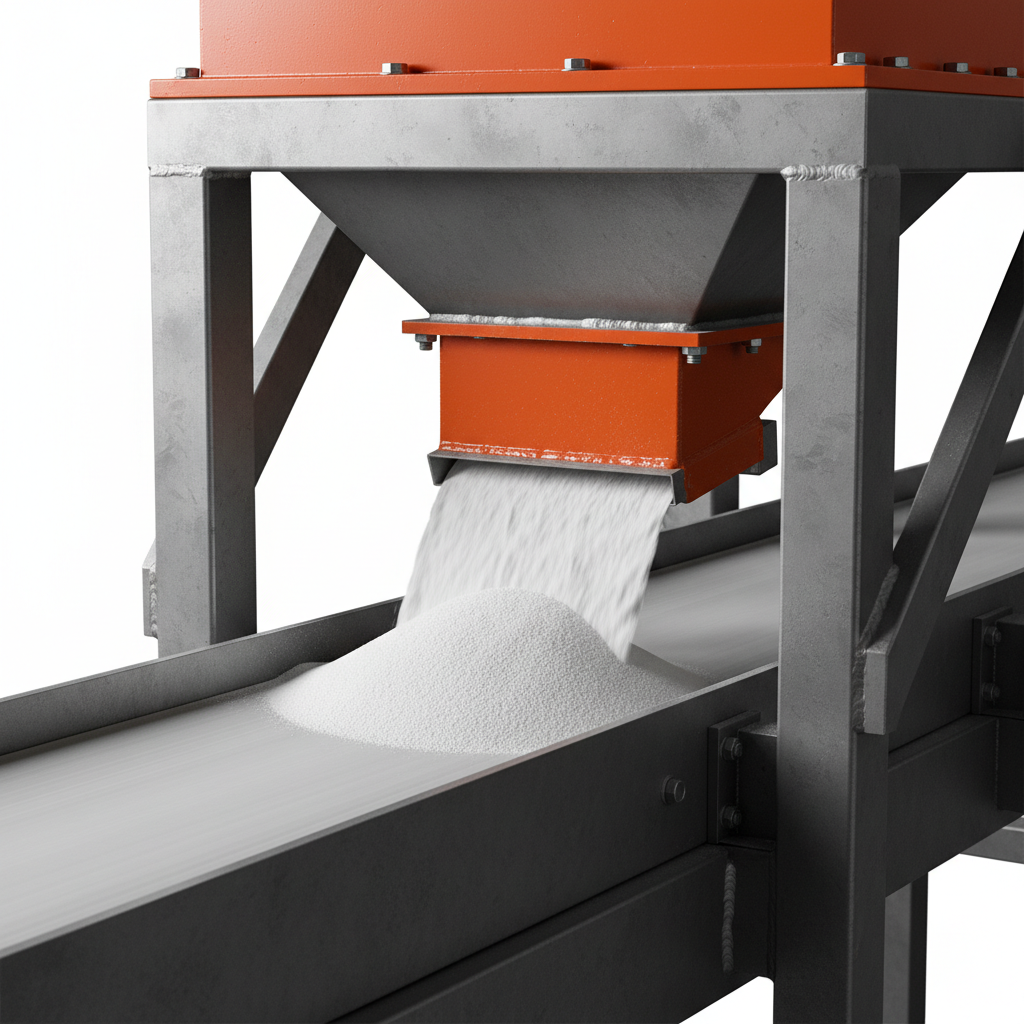
The industrial extraction of kaolin clay accelerated with advancements in mining and processing technologies. Modern techniques allow for efficient purification and refinement, yielding high-quality kaolin clay suitable for a wide range of industrial and cosmetic applications. This has made it a globally traded commodity, readily available for use in kaolin clay in skincare products and beyond.
Types of Kaolin Clay and Their Properties
While often referred to simply as “kaolin clay,” there are different varieties, each possessing unique characteristics based on their mineral composition and processing methods. These include white kaolin, pink kaolin, red kaolin, and yellow kaolin. White kaolin is the purest form, offering the mildest cleansing action and is ideal for sensitive skin.
Pink kaolin contains a higher concentration of iron oxide, giving it a gentle exfoliating effect and making it suitable for normal to dry skin. Red and yellow kaolins, with even higher iron oxide levels, are less commonly used in skincare due to their potential to be slightly more abrasive, but they can still provide benefits for oily or acne-prone skin. The color difference reflects varying levels of oxidation.
Understanding these subtle differences allows skincare formulators to select the most appropriate type of kaolin clay for specific product applications. The particle size and purity levels also significantly impact its performance, with finer particles offering a smoother texture and enhanced absorption capabilities in kaolin clay in skincare formulations.
Benefits of Using Kaolin Clay in Skincare
The benefits of using kaolin clay in skincare are numerous and well-documented. Primarily, it acts as a gentle absorbent, drawing out impurities, excess oil, and toxins from the skin's pores. This helps to clarify the complexion and prevent breakouts. Unlike harsher clays like bentonite, kaolin clay is non-stripping, meaning it cleanses without removing the skin's natural oils.
Comparative Benefits of Kaolin Clay Types in Skincare
Global Production and Sourcing of Kaolin Clay
China remains the world’s largest producer of kaolin clay, accounting for a significant portion of the global supply. Other major producers include the United States, Brazil, the United Kingdom, and Australia. The sourcing of kaolin clay is crucial, as the quality and purity can vary greatly depending on the geographical origin and extraction methods.
Responsible sourcing is increasingly important, with manufacturers seeking suppliers committed to sustainable mining practices and environmental protection. Concerns about deforestation and habitat disruption have led to a greater emphasis on ethical sourcing and traceability. Consumers are also becoming more aware of these issues and are demanding transparency from brands using kaolin clay in skincare.
Sustainability and Ethical Considerations
The sustainability of kaolin clay production is becoming a critical focus. Traditional mining methods can have significant environmental impacts, including land degradation, water pollution, and habitat loss. However, advancements in mining techniques are mitigating these effects, with a growing emphasis on land reclamation and water conservation.
Ethical considerations also play a crucial role. Ensuring fair labor practices and supporting local communities impacted by kaolin clay mining are essential for responsible sourcing. Consumers are increasingly seeking brands that demonstrate a commitment to these principles. Certification programs and supply chain transparency are helping to address these concerns.
The use of recycled kaolin clay, derived from industrial waste streams, is emerging as a promising sustainable alternative. This reduces the demand for virgin materials and minimizes environmental impact, furthering the long-term viability of kaolin clay in skincare.
Future Trends and Innovative Applications
The future of kaolin clay in skincare looks promising, with ongoing research and development exploring new applications and enhancing existing formulations. Nanotechnology is being investigated to improve clay particle dispersion and enhance its delivery to the skin, maximizing its benefits.
There's also growing interest in combining kaolin clay with other natural ingredients, such as botanical extracts and vitamins, to create synergistic skincare products. Personalized skincare, driven by AI and data analysis, may also leverage kaolin clay’s unique properties to tailor formulations to individual skin needs.
Summary of Future Trends in Kaolin Clay Skincare
| Trend Category |
Description |
Potential Impact |
Implementation Timeline |
| Nanotechnology Integration |
Utilizing nanoparticles to enhance clay penetration and effectiveness. |
Increased efficacy, targeted delivery, improved texture. |
3-5 years |
| Botanical Synergies |
Combining kaolin clay with complementary plant extracts (e.g., aloe vera, green tea). |
Enhanced anti-inflammatory, antioxidant, and soothing properties. |
1-2 years |
| Personalized Formulations |
AI-driven analysis to create kaolin-based products tailored to individual skin profiles. |
Maximum effectiveness, minimized irritation, improved user satisfaction. |
5+ years |
| Sustainable Sourcing Practices |
Emphasis on recycled clay and environmentally responsible mining operations. |
Reduced environmental impact, improved brand reputation, increased consumer trust. |
Ongoing |
| Bio-Enhancement Techniques |
Using bio-fermentation or enzymatic processes to modify the clay’s structure. |
Increased bioavailability, enhanced absorption, improved performance. |
4-6 years |
| 3D-Printed Masks |
Creating custom-fit masks with kaolin clay using 3D printing technology. |
Precise application, enhanced contact, optimized ingredient delivery. |
7+ years |
FAQS
While both kaolin and bentonite clay are used in skincare, they differ significantly in their composition and effect on the skin. Bentonite clay is much more absorbent and can be quite stripping, making it unsuitable for sensitive skin. Kaolin clay, with its milder properties, gently cleanses and detoxifies without disrupting the skin's natural oils, making it a better choice for a wider range of skin types. Understanding these differences is crucial for selecting the right clay for your skincare needs.
Generally, kaolin clay is considered safe for all skin types, even those with sensitive skin. Its gentle nature minimizes the risk of irritation. However, it's always recommended to perform a patch test before applying any new skincare product, including kaolin clay masks, to ensure you don't experience any adverse reactions. If irritation occurs, discontinue use.
The frequency of using a kaolin clay mask depends on your skin type. For oily skin, you can use it 2-3 times a week. For normal to combination skin, 1-2 times a week is sufficient. If you have dry or sensitive skin, limit use to once a week or every other week. Overuse can lead to dryness and irritation.
Yes, you can! Kaolin clay mixes well with various ingredients to create customized masks. Popular combinations include honey for added moisture, aloe vera for soothing, and essential oils for specific benefits. Avoid mixing with metal utensils, as this can affect the clay's properties. Always ensure the ingredients are compatible with your skin type.
High-quality kaolin clay can be purchased from reputable skincare suppliers, cosmetic ingredient retailers, and health food stores. Look for products that are clearly labeled with their source and purity. Online marketplaces also offer a wide selection, but it's essential to choose trusted sellers to ensure authenticity and quality.
Store kaolin clay in an airtight container in a cool, dry place away from direct sunlight and moisture. Proper storage helps to prevent contamination and preserve its effectiveness. Avoid storing it near strong scents, as clay can absorb odors. Following these storage guidelines will ensure your kaolin clay remains fresh and potent for extended use.
Conclusion
In conclusion, kaolin clay stands as a versatile and beneficial ingredient in skincare, offering gentle cleansing, detoxification, and soothing properties suitable for a wide range of skin types. From its historical roots to its modern applications, kaolin clay continues to evolve with innovative formulations and a growing emphasis on sustainability and ethical sourcing. Its natural origin and mild nature make it a compelling alternative to harsh chemical-based skincare products.
Looking ahead, the future of kaolin clay in skincare is bright, with ongoing research paving the way for enhanced efficacy and personalized applications. By embracing sustainable practices and prioritizing ethical sourcing, we can ensure the continued availability and benefits of this remarkable natural ingredient for generations to come. Visit our website at www.huabangmica.com to learn more about our kaolin clay-based skincare solutions!