Kaolin clay face, a naturally occurring hydrated aluminum silicate, has risen to prominence not only in the cosmetics industry but also in various industrial applications due to its unique properties. Its fine particle size, chemical inertness, and absorbent qualities make it a versatile material with a growing global demand. Understanding its properties and applications is crucial for innovation across sectors, from skincare to advanced ceramics and beyond.
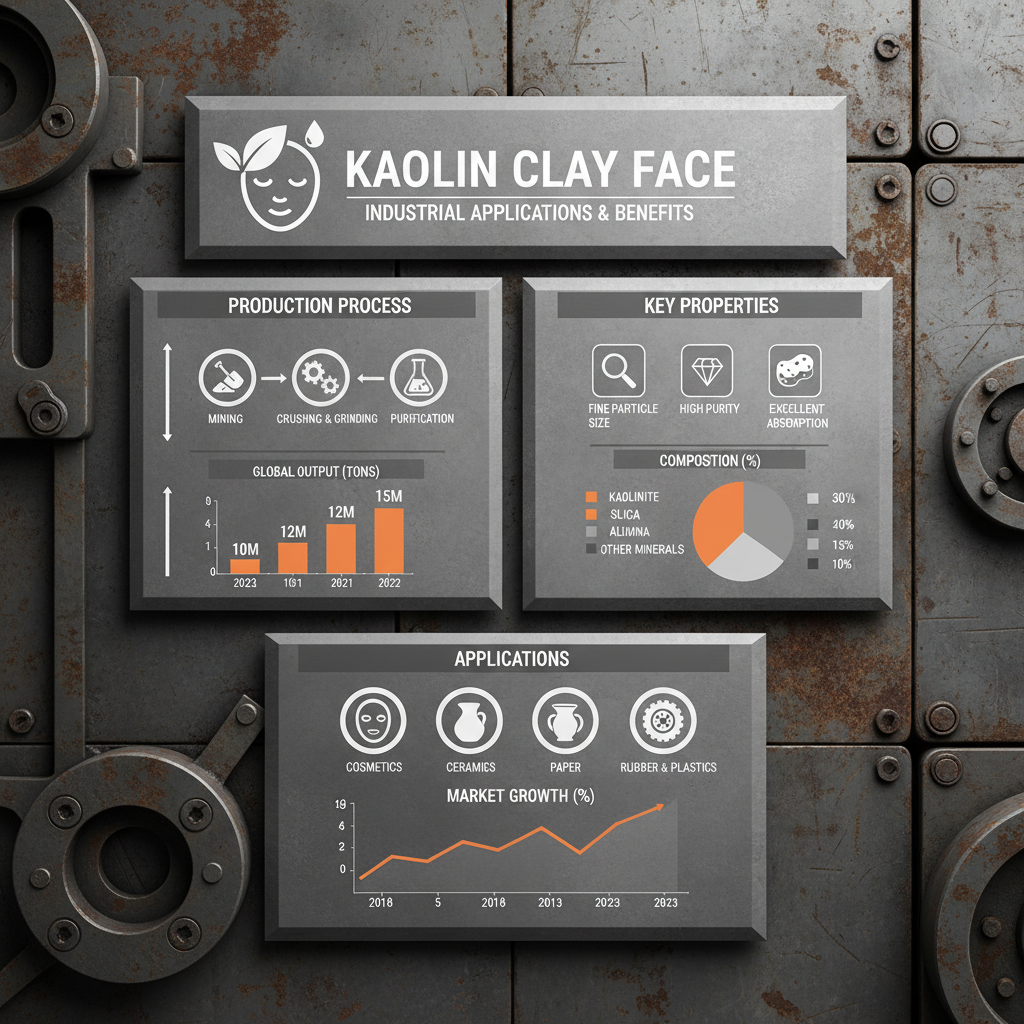
The global market for kaolin clay face is experiencing consistent growth, driven by increasing demand from the paper, rubber, paint, and plastics industries. According to industry reports, the market is projected to reach substantial figures in the coming years, highlighting its economic significance. This demand is coupled with a growing awareness of its natural benefits in personal care, offering a sustainable alternative to synthetic ingredients.
However, sourcing and processing kaolin clay face sustainably remain challenges, necessitating responsible mining practices and efficient purification techniques. The benefits of using kaolin clay face – from its detoxifying properties in skincare to its performance-enhancing capabilities in industrial processes – are increasingly recognized, pushing innovation and requiring a deeper understanding of its potential.
The Composition and Characteristics of kaolin clay face
At its core, kaolin clay face is a soft, white clay mineral composed primarily of kaolinite. This mineral is formed through the chemical weathering of aluminum silicate minerals, like feldspar. The resulting material exhibits a unique layered structure, contributing to its characteristic properties like high plasticity and low shrinkage.
These characteristics make kaolin clay face distinct from other types of clay. Its low cation-exchange capacity means it doesn't readily absorb ions, which is beneficial in applications where purity and minimal chemical interaction are crucial. Furthermore, the particle size of kaolin clay face is exceptionally fine, contributing to its smooth texture and absorbent qualities – vital properties for both industrial and cosmetic uses.
Industrial Applications of kaolin clay face
Kaolin clay face serves as a critical component across a diverse range of industries. In the paper industry, it is used as a filler to improve paper smoothness, brightness, and printability, enhancing the overall quality of the finished product. It functions as an extender and reinforcing agent in the rubber industry, improving tear resistance and hardness.
The plastics industry utilizes kaolin clay face to enhance mechanical properties, reduce cost, and improve dimensional stability in various plastic products. Moreover, it is a common ingredient in paints and coatings, providing opacity, improving suspension, and controlling viscosity. The chemical inertness of kaolin clay face makes it ideally suited for these diverse applications, ensuring product consistency and performance.
Beyond these core industries, kaolin clay face also finds application in ceramics, refractories, and even as a catalyst in certain chemical processes. The versatility of this natural mineral continues to drive demand and spur innovation in materials science.
The Role of kaolin clay face in Skincare
Kaolin clay face has a long history of use in skincare, particularly for its gentle cleansing and detoxifying properties. Its ability to absorb excess oil and impurities without stripping the skin of its natural moisture makes it an ideal ingredient for individuals with oily or sensitive skin. The fine particle size allows it to penetrate pores and draw out dirt, bacteria, and toxins, promoting clearer and healthier skin.
Different types of kaolin clay face – ranging in color from white to pink to red – offer varying levels of mineral content and absorption properties. White kaolin clay face is the mildest, suitable for sensitive skin, while pink and red varieties contain higher concentrations of iron oxide, providing gentle exfoliation and improved circulation. kaolin clay face is often found in masks, cleansers, and facial scrubs.
The use of kaolin clay face aligns with the growing consumer demand for natural and sustainable skincare solutions. Its gentle efficacy and environmentally friendly sourcing make it a popular choice for those seeking effective yet responsible beauty products, solidifying its place in the modern skincare routine.
Kaolin Clay Face Quality and Purity Levels
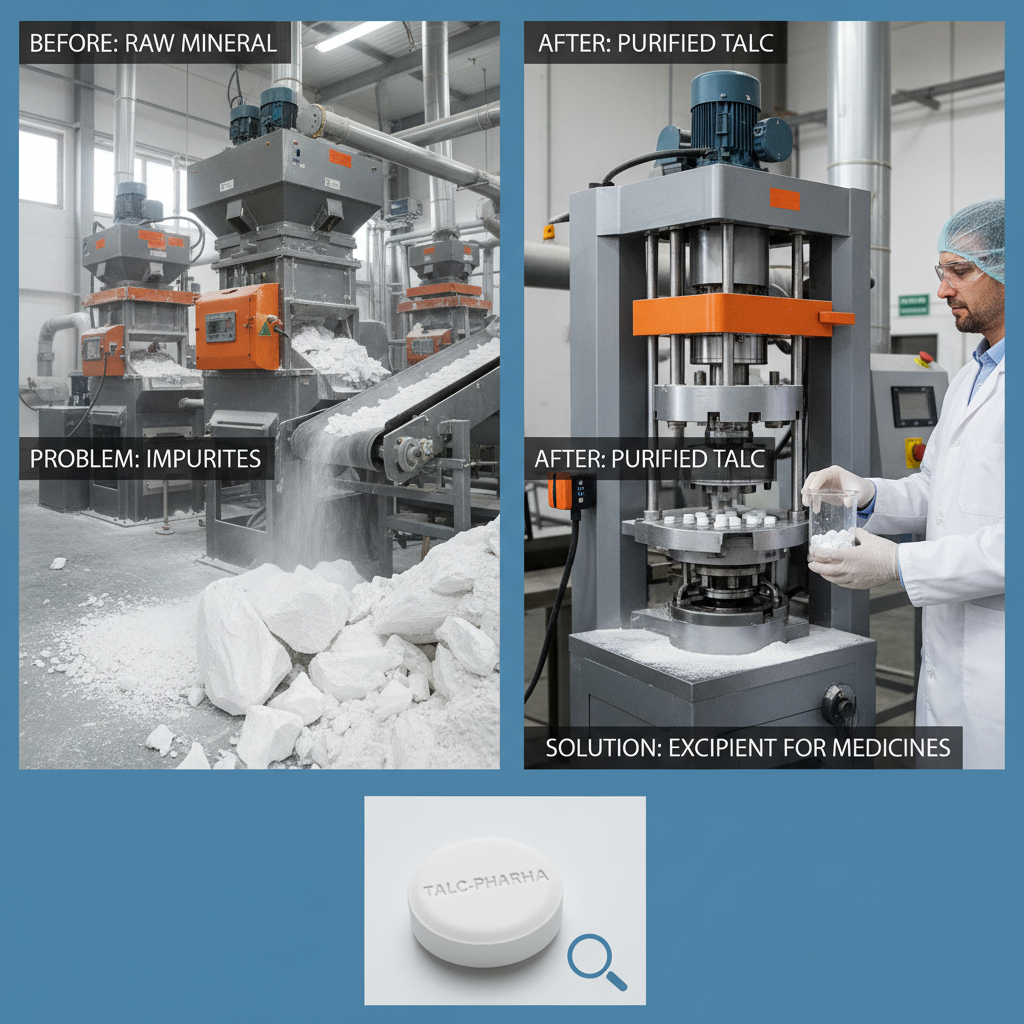
The quality and purity of kaolin clay face are paramount, especially for applications in pharmaceuticals, cosmetics, and high-performance ceramics. Key indicators of quality include particle size distribution, whiteness, brightness, and the absence of impurities like quartz, iron oxides, and organic matter.
Variations in kaolin clay face quality are often categorized by processing methods and geographical origin. Calcinated kaolin clay face, for example, undergoes heating to remove volatile components and enhance its whiteness and inertness. Different mining locations yield clay with varying mineral compositions and trace element profiles, impacting its suitability for specific applications.
Kaolin Clay Face Quality Assessment
Global Sourcing and Supply Chains for kaolin clay face
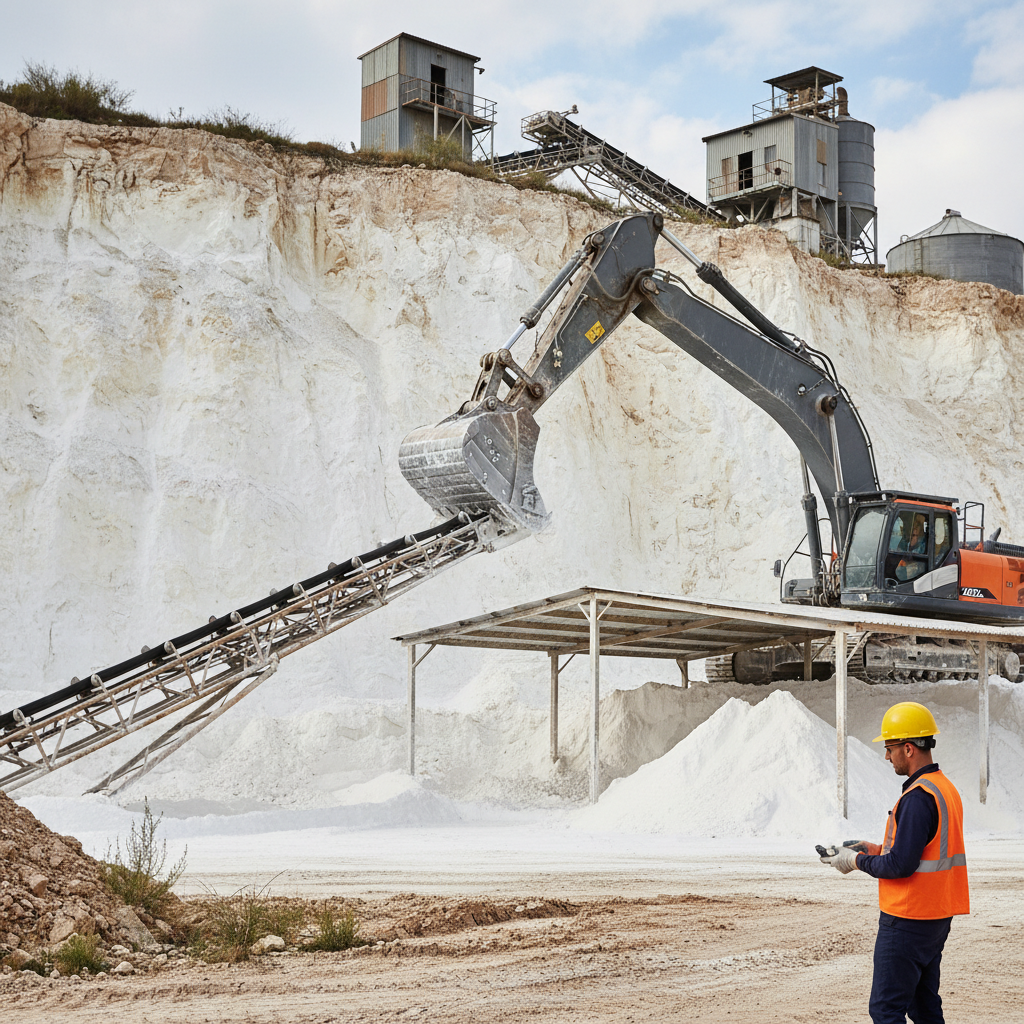
Major sources of kaolin clay face globally include countries like China, the United States, Brazil, India, and the United Kingdom. China currently dominates the market in terms of production volume, followed by the United States. Supply chains typically involve mining operations, processing facilities, and distribution networks serving diverse industrial sectors worldwide.
Geopolitical factors and transportation costs significantly influence the pricing and availability of kaolin clay face. Disruptions in key sourcing regions or increased shipping expenses can lead to price volatility and potential supply shortages. Building resilient and diversified supply chains is crucial for mitigating these risks and ensuring a stable supply for end-users.
Sustainability and Environmental Considerations
Kaolin clay face mining can have environmental impacts, including habitat disruption, water usage, and dust generation. Implementing sustainable mining practices, such as land reclamation, water conservation, and dust control measures, is essential to minimize these impacts. Responsible sourcing and certification programs help ensure that kaolin clay face is extracted and processed in an environmentally sound manner.
The increasing emphasis on circular economy principles promotes the reuse and recycling of kaolin-containing materials, reducing waste and conserving resources. Utilizing kaolin clay face as a substitute for more environmentally damaging materials in certain applications can also contribute to a more sustainable industrial ecosystem.
Minimizing the carbon footprint associated with kaolin clay face production and transportation is another critical aspect of sustainability. Optimizing logistics, adopting energy-efficient processing techniques, and exploring alternative transportation methods can help reduce greenhouse gas emissions.
Future Trends and Innovations in kaolin clay face Processing
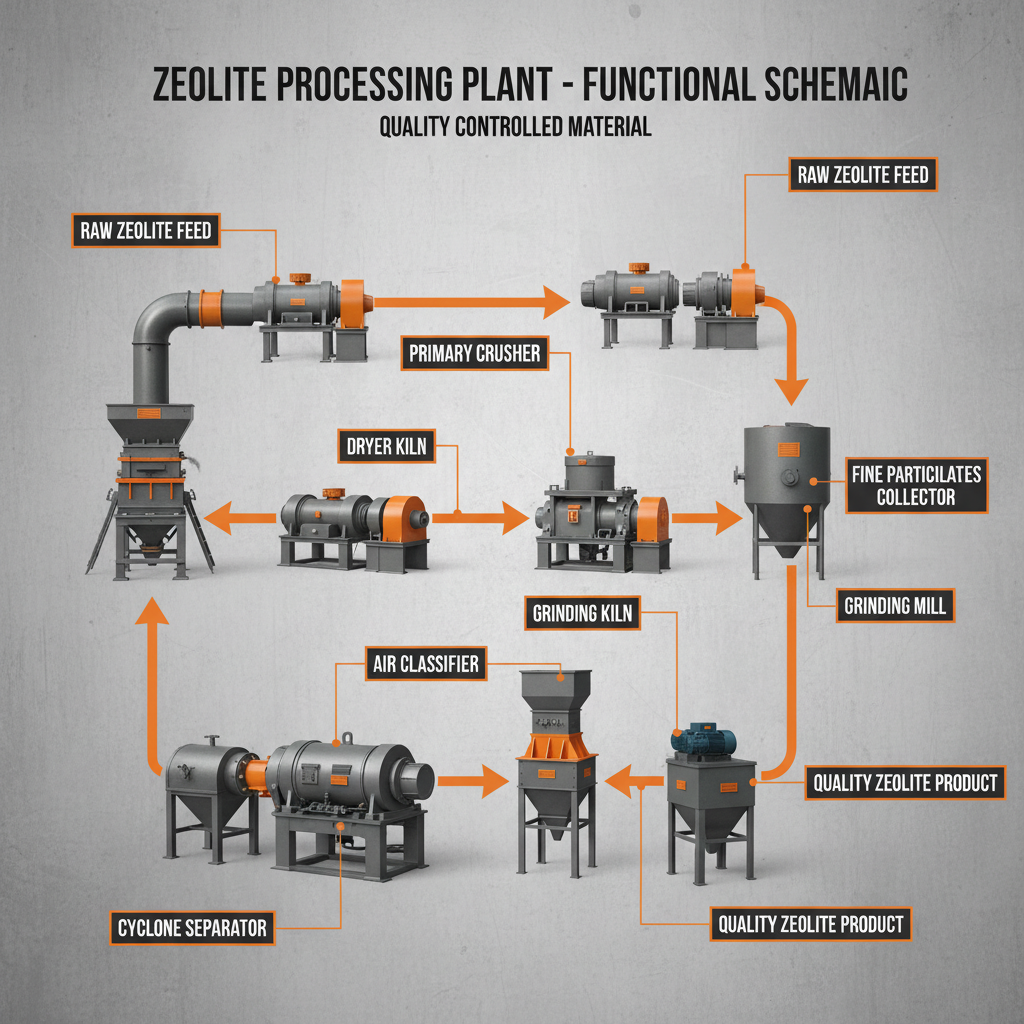
Ongoing research focuses on developing innovative processing techniques to enhance the properties and expand the applications of kaolin clay face. This includes exploring methods for surface modification, particle size control, and the creation of novel kaolin-based composites. Nanotechnology is also playing a role, with researchers investigating the potential of nanoscale kaolin particles for advanced materials.
The integration of digital technologies, such as automation and artificial intelligence, is streamlining kaolin clay face processing, improving efficiency, and reducing costs. Predictive modeling and data analytics are being used to optimize mining operations and ensure consistent product quality.
Furthermore, there is growing interest in developing bio-based and eco-friendly additives for enhancing kaolin clay face performance, aligning with the broader trend towards sustainable materials and environmentally conscious manufacturing.
Summary of Trends in Kaolin Clay Face Processing
| Processing Technique |
Impact on Properties |
Application Area |
Sustainability Level (1-10) |
| Surface Modification |
Enhanced dispersibility, reactivity |
Composites, coatings |
7 |
| Nanotechnology |
Increased strength, barrier properties |
Packaging, biomedicine |
6 |
| Automated Sorting |
Improved purity, consistency |
Pharmaceuticals, cosmetics |
8 |
| Calcination Optimization |
Enhanced whiteness, thermal stability |
Ceramics, refractories |
5 |
| Bio-Additive Integration |
Reduced environmental impact, improved performance |
Packaging, agriculture |
9 |
| Data-Driven Process Control |
Increased efficiency, reduced waste |
All sectors |
7 |
FAQS
Different types of kaolin clay face vary in their mineral composition, particle size, and color. White kaolin is the purest form, gentle enough for sensitive skin. Red and pink kaolins contain iron oxide, offering mild exfoliation. Each type is suited to different applications, from skincare to industrial uses. Understanding these differences allows for targeted product formulation and optimal performance. Choosing the right kaolin clay face is crucial for achieving desired results and avoiding potential irritation.
While generally considered safe, kaolin clay face can cause dryness in some individuals, especially with prolonged use. White kaolin is the most gentle and often suitable for sensitive skin, but a patch test is always recommended before full application. People with extremely dry or compromised skin may want to use it sparingly or avoid it altogether. It is essential to hydrate skin well after using any clay mask to restore moisture balance.
Kaolin clay face is typically sourced from sedimentary deposits formed by the weathering of aluminum-rich rocks. The clay is extracted through mining, then processed through washing, screening, and sometimes calcination (heating) to remove impurities and achieve desired whiteness. Sustainable sourcing practices are becoming increasingly important, emphasizing responsible mining and land reclamation efforts.
Quality control for kaolin clay face involves rigorous testing for particle size distribution, whiteness, brightness, chemical composition, and the presence of impurities. Standardized tests like X-ray diffraction and chemical analysis are used to ensure consistency and purity. Certifications and adherence to industry standards, such as those set by the Kaolin Producers Association, guarantee product quality.
Yes, kaolin clay face has a wide range of industrial uses beyond paper and ceramics. It’s used as a filler in plastics and rubber, enhancing their properties. It’s also a key ingredient in paints, coatings, and adhesives, providing opacity and improving viscosity. Additionally, it finds application as a catalyst support and in the production of refractory materials, demonstrating its versatility across various sectors.
Kaolin clay face mining can lead to habitat disruption, soil erosion, and water pollution. Environmental considerations include responsible land management, water conservation, dust control, and reclamation of mined areas. Adopting sustainable mining practices, minimizing waste generation, and implementing effective environmental monitoring programs are crucial for mitigating these impacts.
Conclusion
In conclusion, kaolin clay face is a remarkably versatile natural mineral with a significant impact across diverse industries, from skincare and cosmetics to paper production and advanced materials science. Its unique properties – including its fine particle size, chemical inertness, and absorbent qualities – make it an invaluable component in numerous applications. Understanding its composition, sourcing, processing, and potential environmental impacts is essential for responsible and sustainable utilization.
Looking ahead, innovation in kaolin clay face processing will continue to unlock new possibilities, leading to the development of high-performance materials and environmentally friendly solutions. Investing in sustainable mining practices, exploring novel applications, and embracing digital technologies will ensure that kaolin clay face remains a vital resource for years to come. Visit our website to learn more: www.huabangmica.com