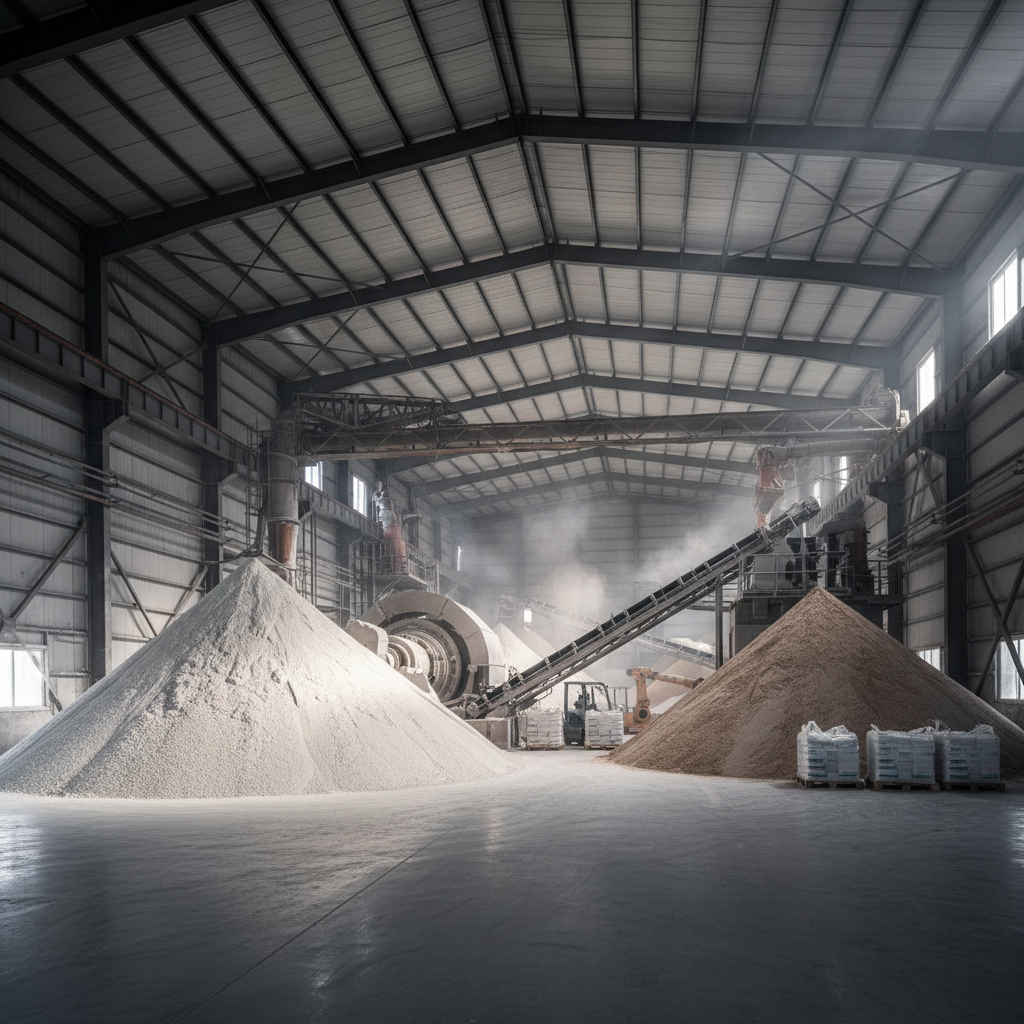
Bentonite clay chips represent a versatile and increasingly vital component across numerous industrial applications. Derived from volcanic ash weathered over time, these chips possess unique swelling and absorbent properties, making them invaluable in sectors ranging from construction and agriculture to environmental remediation and even cosmetics. Understanding the nuances of bentonite clay chip composition, processing, and application is crucial for businesses seeking efficient, cost-effective, and sustainable material solutions.
The global demand for bentonite clay chips is steadily rising, driven by growing awareness of their benefits and expanding applications in emerging economies. Factors such as increased infrastructure development, stringent environmental regulations, and a heightened focus on resource efficiency are all contributing to this trend. The mineral's ability to bind, stabilize, and modify the properties of other materials positions it as a key ingredient in modern manufacturing and environmental technologies.
From stabilizing soil in large-scale construction projects to clarifying oils and wines, bentonite clay chips offer solutions to complex challenges across diverse industries. As a naturally occurring resource, responsible sourcing and processing are paramount to ensuring its long-term availability and minimizing environmental impact. bentonite clay chips are becoming an indispensable material for innovation.
The Significance of Bentonite Clay Chips
Bentonite clay chips are not merely a commodity; they are a critical enabler for innovation across a broad spectrum of industries. Their unique properties – high surface area, swelling capacity, and cation exchange capacity – make them essential for achieving desired outcomes in applications such as drilling fluids, foundry sands, and animal feed. The economic impact of bentonite clay chips extends far beyond the mining sector, influencing the efficiency and sustainability of numerous downstream processes.
The strategic importance of bentonite clay chips is also amplified by their role in environmental protection. Their ability to absorb contaminants, stabilize soil, and create impermeable barriers makes them invaluable tools for mitigating pollution, managing waste, and restoring damaged ecosystems. The demand for these environmentally friendly applications is expected to grow significantly in the coming years.
Defining Bentonite Clay Chips: A Comprehensive Overview
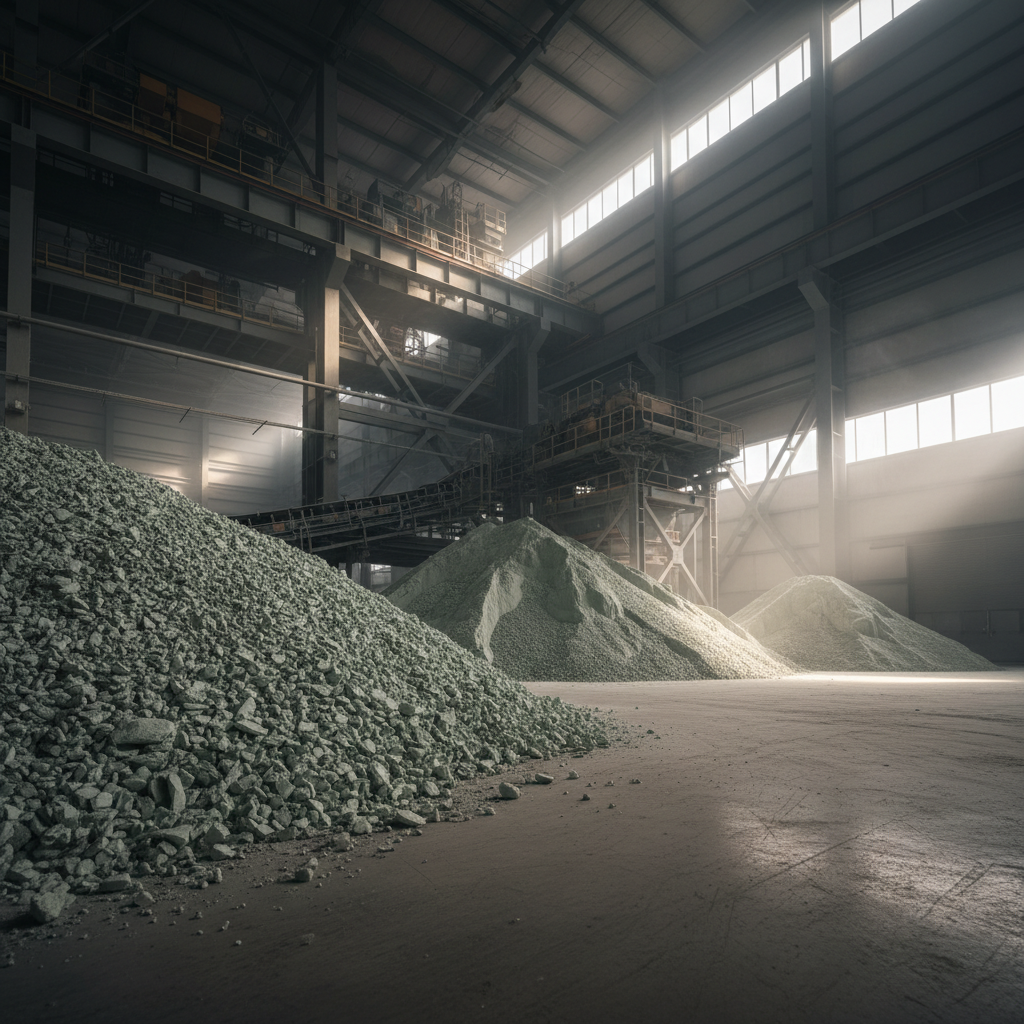
Bentonite clay chips are fragmented pieces of bentonite, a highly absorbent aluminum phyllosilicate clay consisting predominantly of montmorillonite. These chips differ from powdered bentonite in their particle size, offering unique handling and performance characteristics. The chip form often minimizes dust during handling and allows for controlled release of the clay’s properties in specific applications.
The formation of bentonite clay begins with the weathering of volcanic ash, typically in the presence of water. This process alters the original volcanic glass into montmorillonite, the primary constituent of bentonite. The resulting clay is then processed, often involving drying, crushing, and screening, to produce the desired chip size and quality.
In the modern industrial landscape, bentonite clay chips serve as a critical component in a multitude of processes, contributing significantly to product performance and process efficiency. Its ability to provide a cost-effective solution for a variety of industrial needs is driving its continued relevance.
Key Characteristics of High-Quality Bentonite Clay Chips
Several key factors determine the quality and suitability of bentonite clay chips for specific applications. Swelling capacity, measured by the clay’s ability to expand when exposed to water, is a critical parameter. Higher swelling capacity generally indicates a greater montmorillonite content and improved performance in applications like sealing and binding.
Another crucial characteristic is the cation exchange capacity (CEC), which represents the clay’s ability to attract and retain positively charged ions. This property is particularly important in applications such as wastewater treatment and fertilizer formulations. The mineralogical composition and particle size distribution also significantly impact the overall performance of bentonite clay chips.
Finally, the purity of the clay is paramount. The presence of impurities, such as quartz or feldspar, can compromise the clay’s performance and potentially introduce unwanted side effects in certain applications. Careful quality control measures, including chemical analysis and particle size testing, are essential to ensure consistent and reliable performance of bentonite clay chips.
Practical Applications and Industry Uses of Bentonite Clay Chips
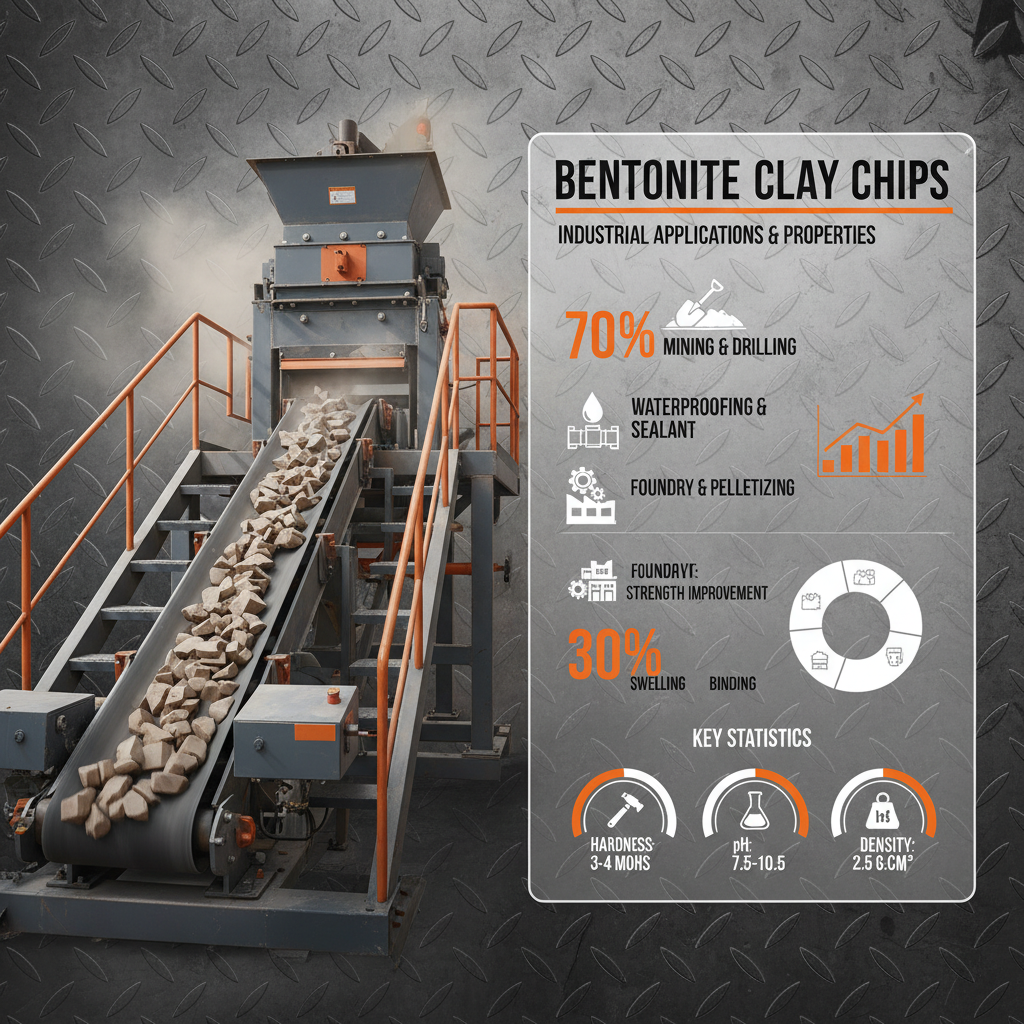
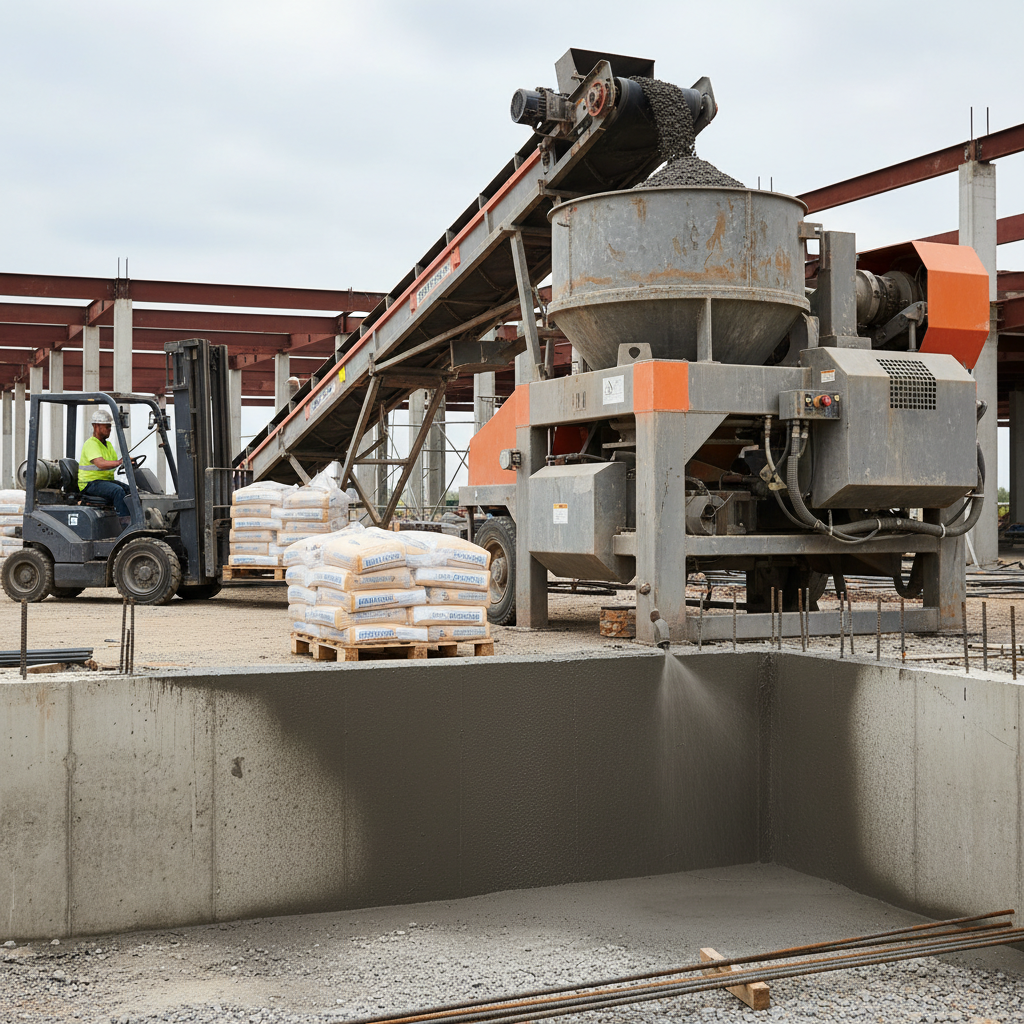
The versatility of bentonite clay chips makes them a key ingredient in a surprisingly diverse range of industries. In the construction sector, they are used extensively as a soil stabilizer, improving the load-bearing capacity and workability of problematic soils. They also serve as a crucial component in slurry trench walls, providing an impermeable barrier to prevent groundwater contamination.
In the agricultural industry, bentonite clay chips are utilized as a carrier for pesticides and herbicides, facilitating their controlled release and improving their effectiveness. They are also added to animal feed as a binding agent and source of essential minerals. The oil and gas industry relies heavily on bentonite clay chips as a key component of drilling fluids, helping to lubricate drill bits, remove cuttings, and stabilize boreholes.
Bentonite Clay Chips Application Breakdown
Global Distribution and Market Trends for Bentonite Clay Chips
The global distribution of bentonite clay deposits is concentrated in several key regions, including the United States, Turkey, China, and Greece. These countries possess significant reserves of high-quality bentonite, making them major producers and exporters of bentonite clay chips. China has emerged as the dominant force in the global bentonite market, driven by its rapid industrialization and infrastructure development.
Current market trends indicate a growing demand for specialized bentonite clay chip products tailored to specific applications. Manufacturers are increasingly focusing on developing customized formulations with enhanced properties, such as improved swelling capacity or higher purity. The rising awareness of environmental concerns is also driving demand for sustainably sourced and processed bentonite clay chips.
Advantages and Long-Term Value Proposition of Bentonite Clay Chips
The advantages of utilizing bentonite clay chips extend beyond their immediate functional benefits. Their natural origin and relatively low cost make them an economically attractive alternative to synthetic materials in many applications. Furthermore, bentonite clay chips are generally considered environmentally friendly, as they are non-toxic and biodegradable.
The long-term value proposition of bentonite clay chips is reinforced by their proven track record of performance and reliability. Their ability to consistently deliver desired results, coupled with their sustainable characteristics, makes them a trusted choice for engineers, manufacturers, and environmental professionals. Investing in high-quality bentonite clay chips translates to reduced operational costs, enhanced product quality, and a smaller environmental footprint.
Future Innovations and Challenges in Bentonite Clay Chip Technology
Ongoing research and development efforts are focused on unlocking new potential applications for bentonite clay chips. Nanotechnology is playing an increasingly important role, with scientists exploring the use of nano-modified bentonite clay chips to enhance their properties and expand their functionality. The development of more efficient and environmentally friendly processing techniques is also a key area of innovation.
Despite its many advantages, the bentonite clay chip industry faces several challenges. Maintaining consistent quality and ensuring sustainable sourcing are paramount concerns. Competition from synthetic materials and the need to adapt to evolving regulatory requirements also present ongoing hurdles. Addressing these challenges through continuous innovation and responsible practices will be crucial for the long-term success of the industry.
The future of bentonite clay chip technology promises exciting possibilities, driven by a commitment to sustainability, performance, and cost-effectiveness. bentonite clay chips will continue to adapt to solve global challenges.
Summary of Key Performance Indicators for Bentonite Clay Chip Quality
| Property |
Testing Method |
Optimal Range |
Impact on Application |
| Swelling Capacity |
ASTM D589 |
15-30 mL/g |
Critical for sealing and binding applications |
| Cation Exchange Capacity (CEC) |
ASTM D2898 |
70-120 meq/100g |
Influences performance in wastewater treatment & fertilizer |
| Particle Size Distribution |
Sieve Analysis |
50-90% 0.5-2.0 mm |
Affects handling, dispersion, and reactivity |
| Moisture Content |
ASTM D2216 |
Less than 10% |
Impacts storage stability and handling characteristics |
| Plasticity Index |
ASTM D4318 |
5-15 |
Indicates workability and molding properties |
| Impurities Content |
X-Ray Diffraction |
Less than 5% |
Affects overall purity and performance |
FAQS
Bentonite clay chips are larger, fragmented particles, while bentonite clay powder is finely ground. This difference impacts handling, dispersion, and application. Chips are easier to handle, generate less dust, and are often preferred for applications requiring controlled release or where dust control is critical. Powdered bentonite offers faster hydration and greater surface area for applications like drilling fluids or cosmetics.
Bentonite clay chip quality is assessed through several key tests, including swelling capacity (ASTM D589), cation exchange capacity (ASTM D2898), particle size distribution (sieve analysis), moisture content (ASTM D2216) and impurity analysis (X-Ray Diffraction). These tests ensure the material meets specific performance criteria for its intended application.
Generally, yes. Bentonite clay is a naturally occurring mineral and is considered non-toxic and biodegradable. However, responsible sourcing and processing are crucial to minimize environmental impact. Sustainable mining practices, efficient water management, and proper land reclamation are all important considerations.
Bentonite clay chips should be stored in a dry, well-ventilated area, protected from moisture and contamination. Prolonged exposure to moisture can cause the chips to swell and degrade. It's best to store them in sealed containers or covered stockpiles to prevent moisture absorption and maintain their quality.
Yes, bentonite clay chips can be used for water purification. Their high adsorption capacity allows them to effectively remove impurities, suspended solids, and certain heavy metals from water. They're often used in conjunction with other filtration methods to achieve optimal water quality.
The lifespan of structures stabilized with bentonite clay chips depends on various factors, including soil conditions, climate, and the quality of the stabilization process. However, properly stabilized structures can last for decades with minimal maintenance. Regular monitoring and occasional repairs may be necessary to ensure long-term stability.
Conclusion
In conclusion, bentonite clay chips stand as a remarkably versatile and valuable material, offering a compelling combination of performance, cost-effectiveness, and environmental sustainability. From stabilizing soils and enhancing drilling fluids to purifying water and improving agricultural yields, their applications are widespread and continuously expanding. Understanding the key characteristics, quality control measures, and emerging trends associated with bentonite clay chips is essential for maximizing their benefits across diverse industries.
Looking ahead, continued innovation in processing techniques, nanotechnology applications, and sustainable sourcing practices will further unlock the potential of bentonite clay chips. By embracing responsible development and fostering collaboration between researchers, manufacturers, and end-users, we can ensure that this remarkable natural resource continues to contribute to a more sustainable and efficient future. Visit our website at bentonite clay chips to learn more about our products and services.