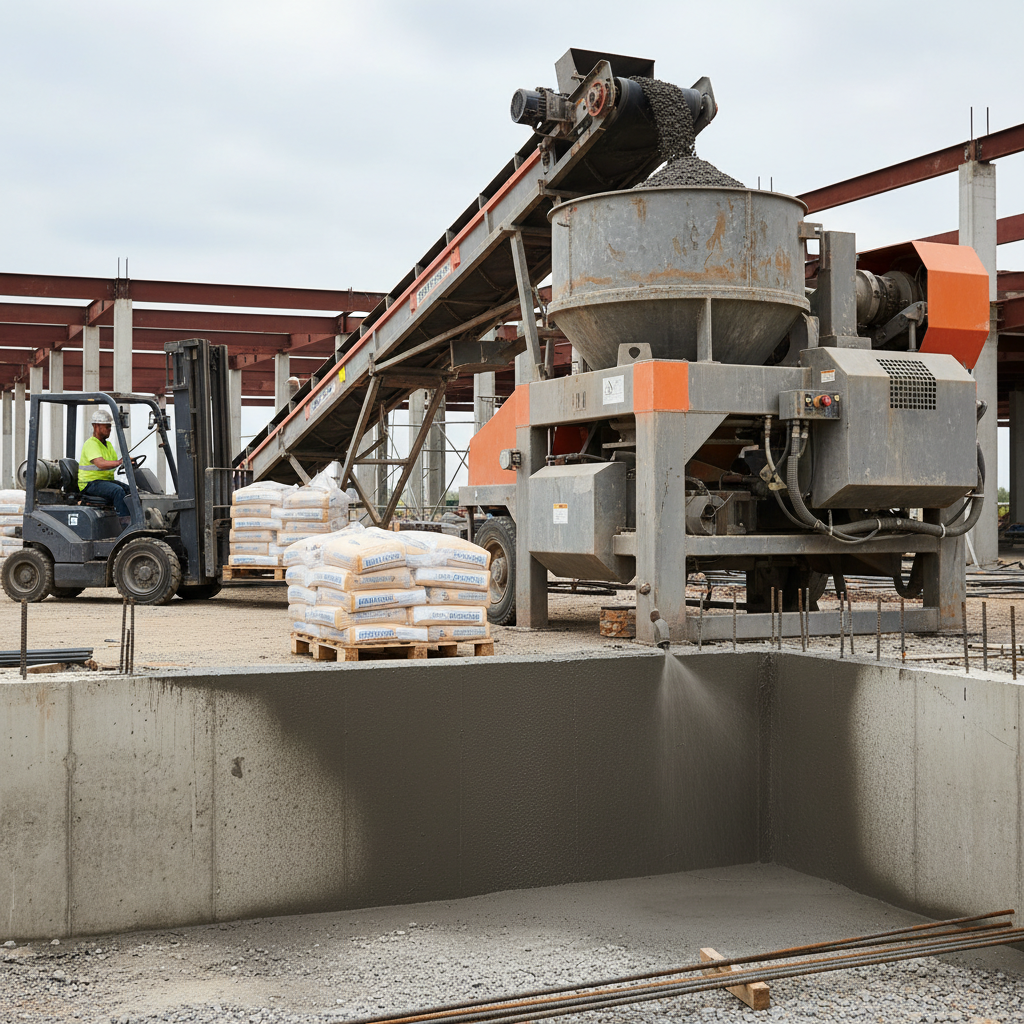
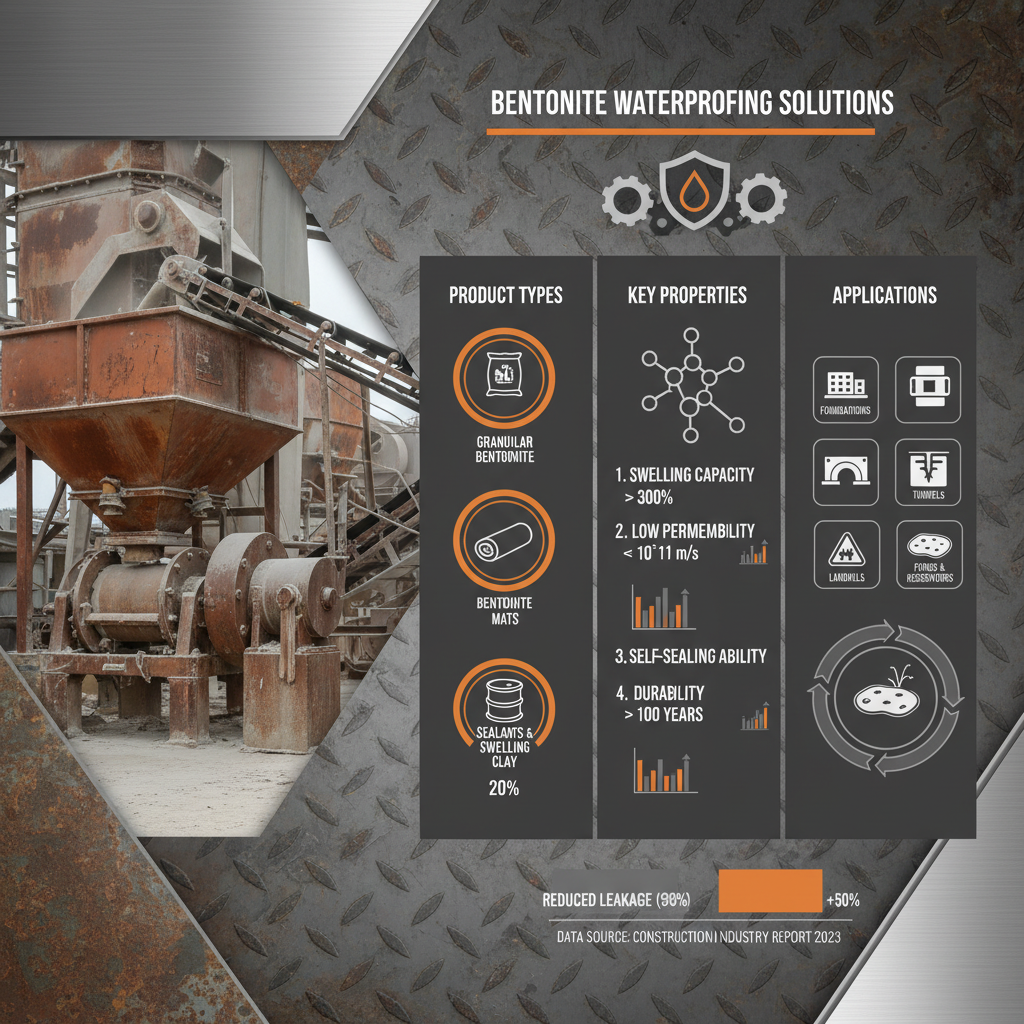
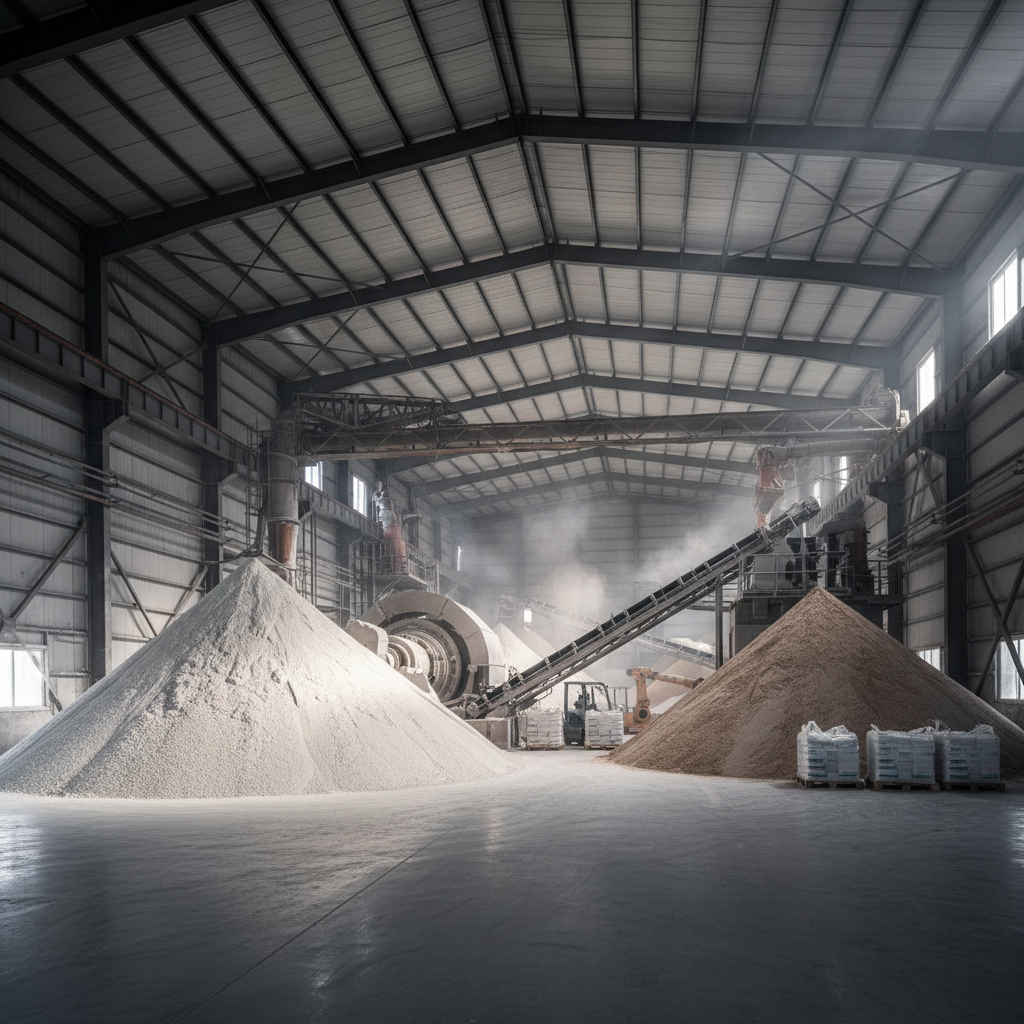
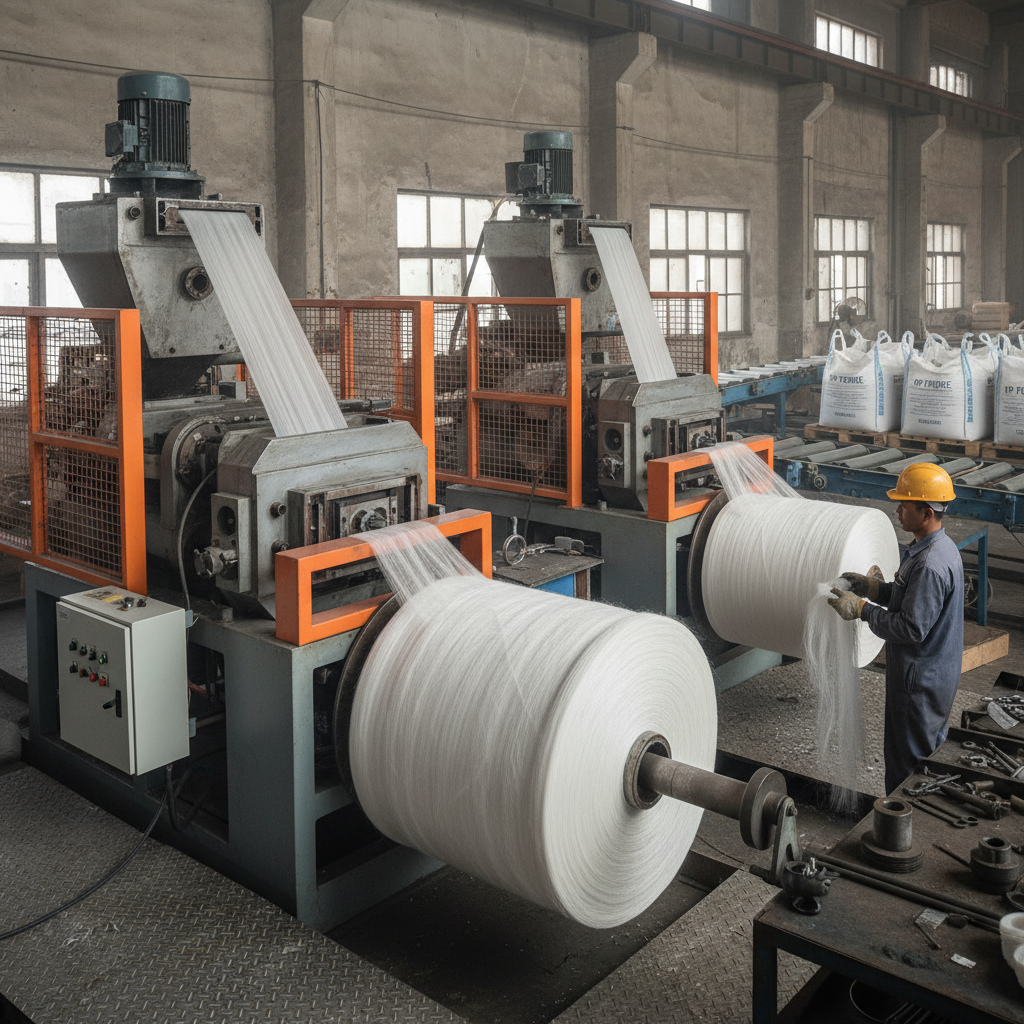
Look, I’ve spent twenty years on construction sites, getting my hands dirty. I’ve seen waterproofing fail, and I’ve seen it done right. What separates the two, more often than not, is a solid bentonite waterproofing solution. It's not glamorous, it's not the flashy new tech everyone's talking about, but it’s reliable, cost-effective, and it works. We’re talking about protecting foundations, tunnels, landfills – critical infrastructure that keeps everything running. Investing in quality bentonite waterproofing products isn’t just about preventing leaks; it’s about building to last.
The thing about water is, it finds a way. Gravity, pressure, capillary action… it's relentless. And the consequences of ignoring it are massive – structural damage, mold, contamination. That’s where bentonite clay comes in. Its unique swelling properties create a virtually impermeable barrier. It’s a natural material, which is increasingly important these days, and when applied correctly, it's incredibly durable. We’re not talking about a quick fix; we’re talking about long-term protection, decades of peace of mind.
I've seen companies try to cut corners, using inferior materials or skimping on application. It always comes back to haunt them. Choosing the right bentonite waterproofing products and, more importantly, working with a team who understands how to apply them properly, is paramount. It's about understanding the soil conditions, the water table, the specific demands of the project. There's no one-size-fits-all answer.
Introduction to Bentonite Waterproofing
Bentonite waterproofing isn't about inventing something new; it's about utilizing a natural material – bentonite clay – in a smart and effective way. For decades, engineers have relied on its unique properties to create barriers against water ingress. We’re talking about sodium bentonite, calcium bentonite, and modified bentonites, each with specific applications. The key is understanding which type is best suited for the project at hand, from sealing landfills to protecting basements. bentonite waterproofing products are a staple in the industry.
What sets bentonite apart is its ability to swell significantly when hydrated. This swelling creates a self-sealing barrier that effectively prevents water from passing through. It’s a simple principle, but incredibly powerful. You see it used everywhere – in geomembranes, bentonite mats, and even as a grout to seal cracks and voids. I've watched it firsthand, stop leaks that other methods couldn't touch.
The Science Behind the Swell
Let's get a bit technical for a moment. Bentonite clay is an aluminum phyllosilicate, meaning it’s composed of layered silicate minerals. When dry, these layers are relatively close together. But when water enters the structure, it gets trapped between those layers, causing them to expand. This expansion is what gives bentonite its sealing capabilities. The amount of swelling depends on the type of bentonite – sodium bentonite swells much more than calcium bentonite – and the surrounding conditions.
Modified bentonites take this a step further. They’re often combined with polymers or other additives to enhance their performance. For example, some modified bentonites are engineered to resist chemical attack or to remain flexible at low temperatures. Understanding these nuances is crucial for selecting the right bentonite waterproofing products for a given application.
It’s not just about the swelling; it’s about the consistency of that seal. A properly installed bentonite system creates a continuous, self-healing barrier. If a crack develops, the bentonite will swell to fill the void, preventing water from penetrating. That's a huge advantage over other waterproofing methods that can be compromised by even minor damage.
Durability and Longevity
I've worked on projects where bentonite waterproofing has been in place for over thirty years, and it's still performing flawlessly. That's a testament to its durability. Unlike some synthetic membranes that can degrade over time due to UV exposure or chemical attack, bentonite is remarkably stable. It doesn’t rot, it doesn’t corrode, and it’s resistant to most common soil chemicals.
Of course, longevity depends on proper installation. If the bentonite isn't applied correctly, or if the surrounding soil is disturbed, its effectiveness can be compromised. That's why it's so important to work with experienced contractors who understand the nuances of bentonite application. Bentonite waterproofing products, when correctly applied, are proven performers.
The key is to consider the long-term lifecycle cost, not just the initial price. Cheaper waterproofing solutions might seem appealing upfront, but they often require more frequent repairs or replacements, ultimately costing more in the long run. Bentonite, with its proven durability, offers a significant return on investment over the life of the project.
Cost-Effectiveness of Bentonite Solutions
Let's be real, budgets are always tight. And compared to some of the more high-tech waterproofing solutions, bentonite can appear less expensive. But it’s not just about the material cost. It’s about the overall installation cost, the long-term maintenance costs, and the potential cost of failure.
Bentonite is relatively easy to install, requiring less specialized equipment and labor than some other systems. This translates into significant cost savings. Plus, its self-sealing properties minimize the need for ongoing repairs. A well-executed bentonite installation can provide decades of reliable protection without the need for costly interventions.
Cost Comparison of Bentonite Waterproofing Methods
Global Applications and Project Examples
I've seen bentonite used in projects all over the world. From landfill liners in the US to tunnel waterproofing in Europe, and dam construction in Asia, it’s a globally recognized solution. It’s particularly well-suited for large-scale projects where reliability and cost-effectiveness are critical.
In post-disaster relief operations, bentonite is often used to quickly seal breaches in dams or levees. It's a fast-deployable solution that can prevent further damage and protect communities. It's also a popular choice for sealing ponds and reservoirs, providing a safe and sustainable water supply.
Sustainability and Environmental Impact
More and more clients are asking about the environmental impact of the materials we use. Bentonite scores well in this regard. It’s a natural material, and its production has a relatively low carbon footprint. Plus, it’s non-toxic and doesn’t leach harmful chemicals into the environment.
Using bentonite waterproofing products also helps reduce water waste. By preventing leaks and seepage, it conserves valuable water resources. This is particularly important in arid and semi-arid regions. It's a responsible choice, both for the environment and for future generations.
Challenges and Best Practices
No system is perfect. One challenge with bentonite is its susceptibility to erosion if not properly protected during installation. It’s also important to ensure the surrounding soil is compatible with bentonite – some soils can inhibit its swelling properties.
The key is meticulous planning and execution. Proper site investigation, soil testing, and careful installation are essential. It's also crucial to protect the bentonite from damage during construction. Bentonite waterproofing products require qualified technicians to apply properly.
Finally, remember that bentonite is just one component of a complete waterproofing system. It needs to be integrated with other elements, such as drainage layers and protective coverings, to ensure long-term performance.
Summary of Best Practices for Bentonite Waterproofing Application
| Soil Compatibility |
Installation Technique |
Protection Measures |
Quality Control |
| Conduct thorough soil analysis to ensure bentonite swelling capacity. |
Follow manufacturer’s specifications for application rate and compaction. |
Utilize geotextiles or other protective layers to prevent erosion. |
Implement visual inspections and performance testing during and after installation. |
| Identify and address any soil conditions that may hinder swelling (e.g., high salinity). |
Ensure uniform distribution of bentonite material across the application area. |
Provide adequate drainage to prevent hydrostatic pressure buildup. |
Document all installation procedures and quality control measures. |
| Consider using modified bentonites for challenging soil conditions. |
Properly hydrate bentonite material according to instructions. |
Protect bentonite layers from mechanical damage during backfilling. |
Conduct regular inspections during the project lifecycle. |
| Assess soil pH levels and adjust bentonite application accordingly. |
Avoid compaction that can reduce bentonite’s swelling potential. |
Implement a robust monitoring system to detect potential leaks. |
Maintain detailed records of maintenance and repairs. |
| Evaluate soil permeability to determine appropriate bentonite dosage. |
Ensure proper overlap of bentonite layers for continuous sealing. |
Employ appropriate erosion control measures during rainfall events. |
Utilize non-destructive testing methods to assess bentonite integrity. |
| Consult with a geotechnical engineer for complex soil conditions. |
Verify that bentonite material meets industry standards. |
Develop a comprehensive plan for long-term monitoring and maintenance. |
Train personnel on proper bentonite application and inspection procedures. |
FAQS
The lifespan of a properly installed bentonite waterproofing system can exceed 30 years, and in some cases even reach 50 years. This is dependent on factors like soil conditions, climate, and quality of installation. Regular inspections and maintenance can further extend its life. Unlike some synthetic membranes, bentonite doesn't degrade significantly with age, making it a durable long-term solution.
Yes, bentonite waterproofing can be effectively used in cold climates. However, it’s crucial to select a modified bentonite formulation that remains flexible at low temperatures. Freezing and thawing cycles can cause cracking in some materials, but modified bentonites are engineered to withstand these conditions. Proper installation and protection from frost heave are also important considerations.
Bentonite is a natural clay mineral, making it a relatively environmentally friendly waterproofing solution. Its production has a lower carbon footprint compared to some synthetic materials. It’s also non-toxic and doesn’t leach harmful chemicals into the environment. Using bentonite helps conserve water by preventing leaks and seepage, contributing to sustainable water management practices.
Highly organic soils, those with a high sand content, or soils with extreme pH levels can present challenges for bentonite waterproofing. Organic matter can interfere with the swelling properties, while sandy soils may not provide enough confinement. Extreme pH levels can also affect bentonite’s performance. Thorough soil testing is essential to determine compatibility before installation.
Minor leaks can often be repaired by applying additional bentonite material to the affected area. For larger leaks, it may be necessary to excavate and reinstall a section of the waterproofing system. It’s important to identify the cause of the leak and address any underlying issues, such as soil settlement or damage to the protective layers.
Sodium bentonite is far superior for waterproofing due to its higher swelling capacity. It expands significantly when hydrated, creating a very tight seal. Calcium bentonite swells less and is less effective at preventing water penetration. Sodium bentonite is the preferred choice for most waterproofing applications, while calcium bentonite is often used for other purposes like drilling muds.
Conclusion
We’ve covered a lot of ground, from the science behind bentonite’s swelling properties to its real-world applications and long-term benefits. The bottom line is this: bentonite waterproofing is a proven, reliable, and cost-effective solution for protecting structures from water damage. It's not always the most glamorous option, but it's a workhorse that consistently delivers results.
Investing in quality bentonite waterproofing products and experienced installation is an investment in the longevity and sustainability of your project. Don't cut corners. Do your research, choose the right materials, and work with a team you trust. Your future self will thank you.