Carbonate powder, a versatile compound with applications spanning numerous industries, plays a crucial role in modern manufacturing, environmental remediation, and even everyday consumer products. Its unique chemical properties and cost-effectiveness make it an indispensable material for countless processes. Understanding the nuances of carbonate powder - its production, types, and potential - is increasingly important for professionals and individuals alike, impacting fields from construction to pharmaceuticals.
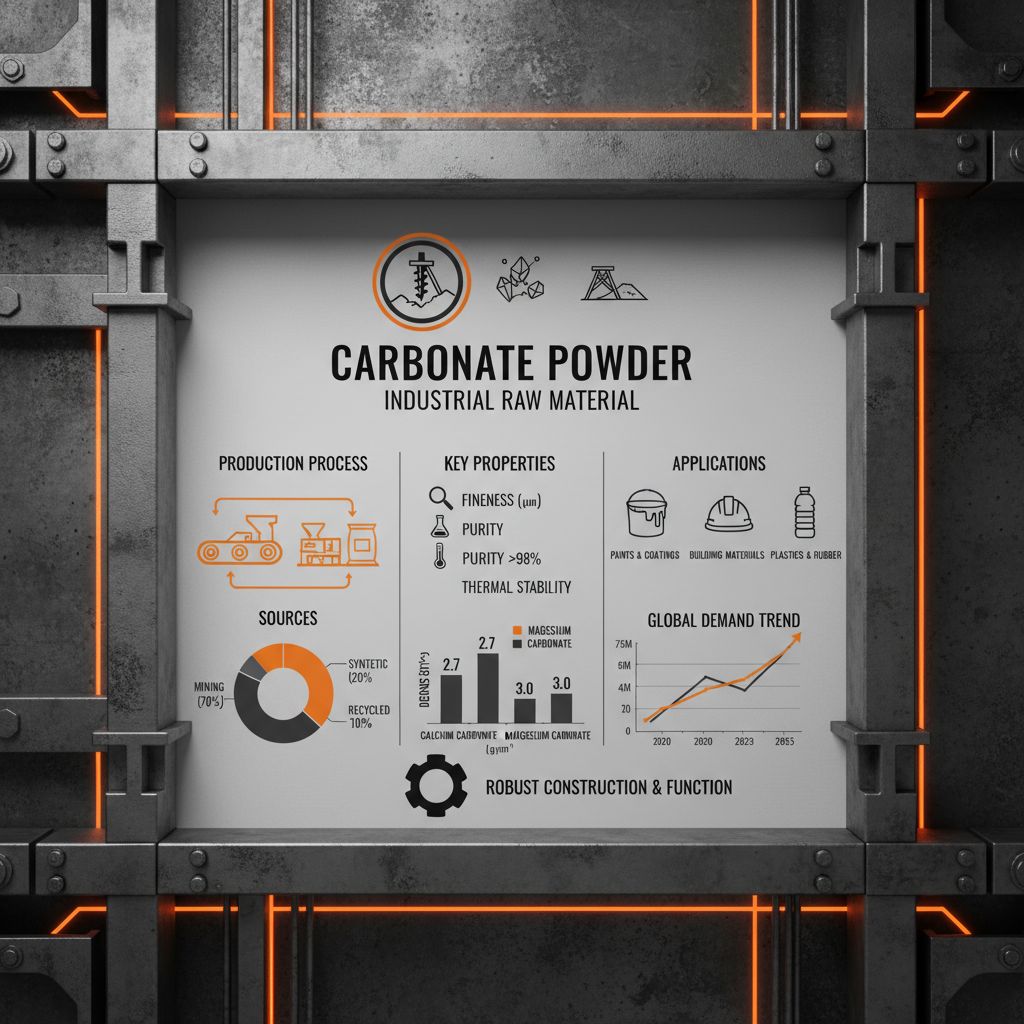
Globally, the demand for carbonate powder is consistently growing, fueled by expanding infrastructure projects in emerging economies and a heightened focus on sustainable materials. According to recent industry reports, the market is projected to reach substantial figures in the coming years, driven by innovation in applications like polymer fillers and water treatment. This growth isn't without challenges, however; ensuring responsible sourcing and minimizing environmental impact are paramount concerns for manufacturers and end-users.
The significance of carbonate powder extends beyond economic factors. Its ability to neutralize acids, provide structural integrity, and act as a safe and readily available resource makes it a vital component in addressing critical global needs, including water purification and CO2 sequestration initiatives. The continued research and development surrounding carbonate powder promise even more impactful applications in the future, bolstering its position as a cornerstone of modern industry.
The Significance of Carbonate Powder
Carbonate powder isn't simply a chemical compound; it’s a fundamental building block for diverse applications, ranging from improving the texture of plastics to acting as a crucial component in flue-gas desulfurization systems. Its versatility stems from its unique chemical composition and physical properties, allowing it to act as a filler, extender, neutralizer, and abrasive agent. carbonate powder is therefore critical in numerous industrial processes.
The economic impact of carbonate powder is substantial, underpinning industries worth billions of dollars globally. From paper production to the creation of pharmaceuticals, its availability and relative affordability make it an essential ingredient. Moreover, ongoing research into sustainable sourcing and enhanced applications promises to further solidify its importance in a world increasingly focused on environmental responsibility.
Global Relevance and Industrial Context
The global production and consumption of carbonate powder are intimately linked to the health of the construction, plastics, and paper industries, particularly in rapidly developing nations like China and India. The United Nations’ Sustainable Development Goals, specifically those relating to infrastructure development and responsible consumption, indirectly drive demand for this material, due to its widespread use in building materials and manufacturing processes.
Data from the World Bank indicates a direct correlation between infrastructure investment and the demand for carbonate powder. As countries invest in roads, buildings, and utilities, the need for materials like cement, concrete, and polymer composites – all utilizing carbonate powder – increases proportionally. This trend is expected to continue as urbanization rates climb globally.
However, the industry faces a growing challenge: minimizing the environmental impact of carbonate powder production and ensuring sustainable sourcing practices. Increasing regulations, such as those outlined by ISO standards for environmental management, are pushing manufacturers to adopt cleaner production methods and explore alternative, eco-friendly raw materials.
Defining Carbonate Powder: Composition and Uses
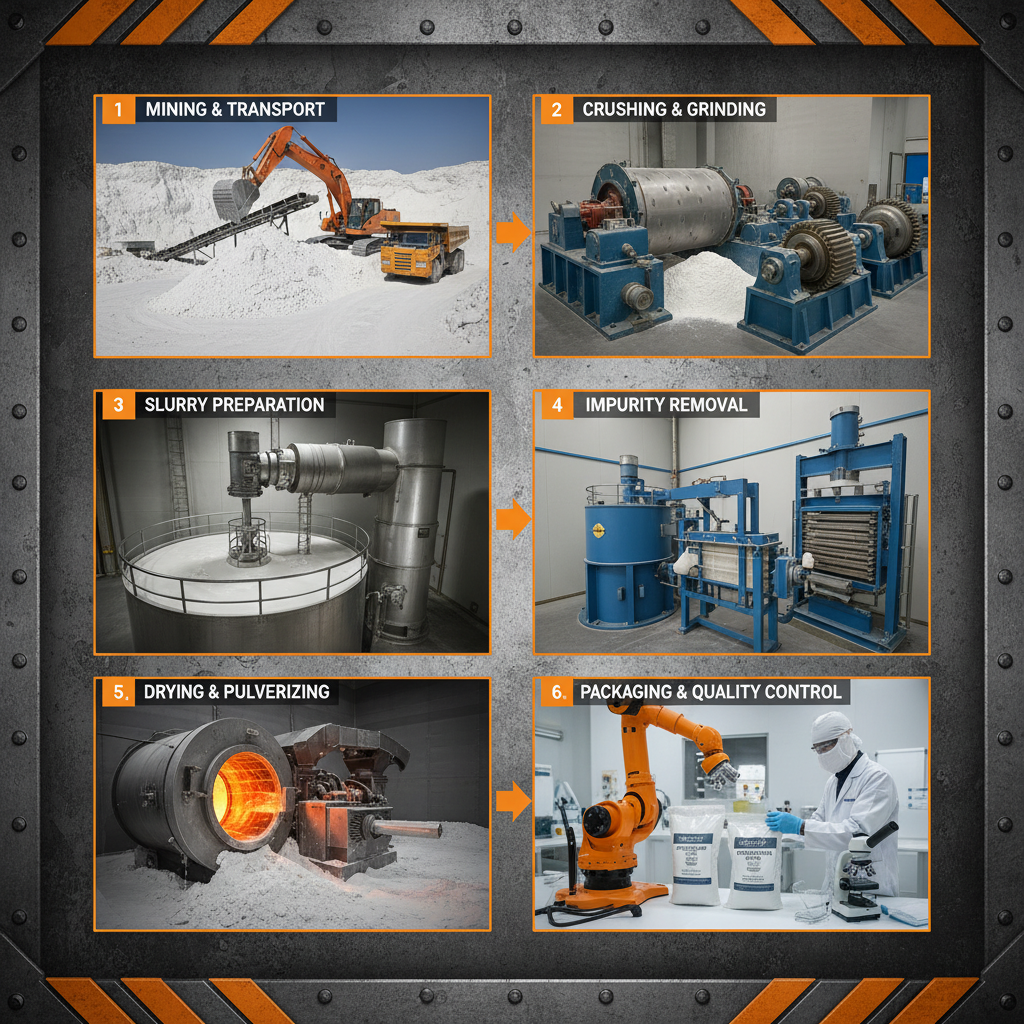
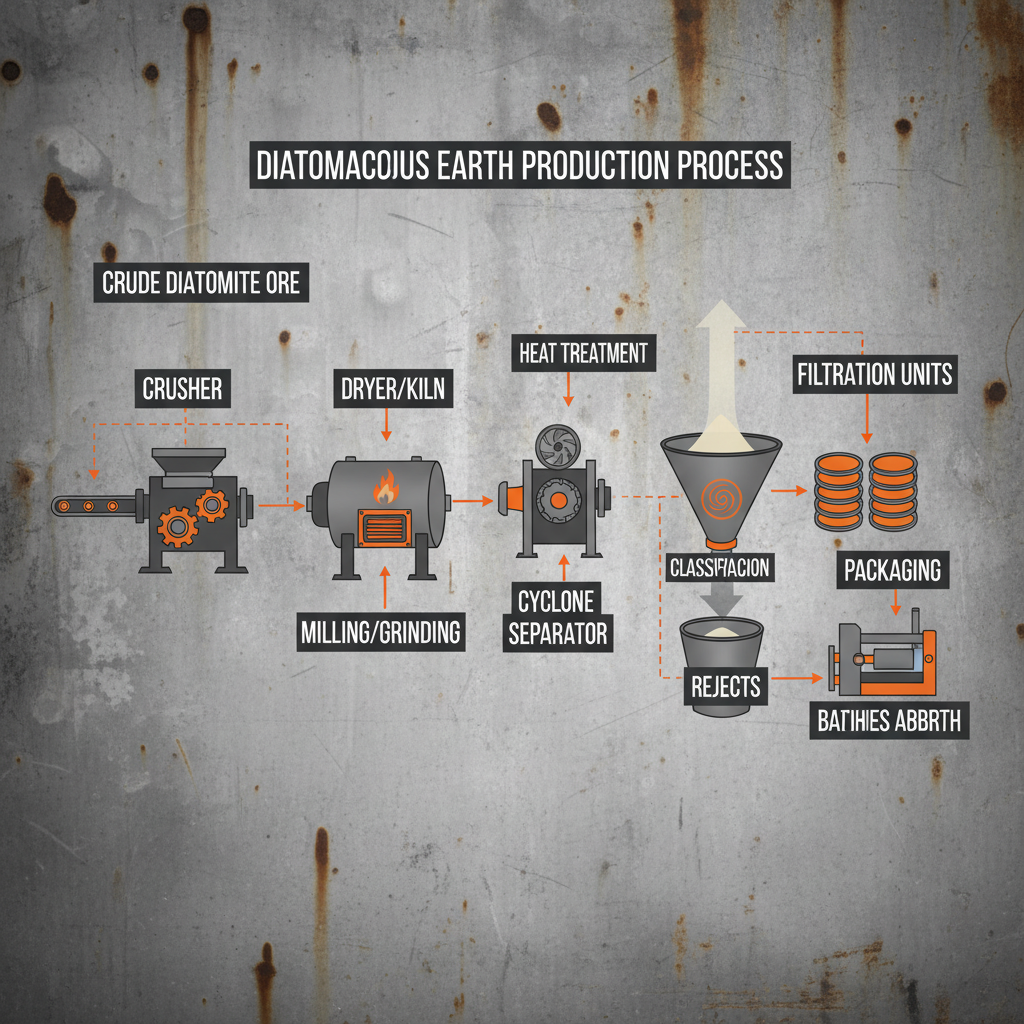
Carbonate powder generally refers to powdered forms of calcium carbonate (CaCO3), magnesium carbonate (MgCO3), or a combination thereof. These compounds are naturally occurring minerals, often sourced from limestone, chalk, or marble, and processed into fine powders through crushing, grinding, and classification. The specific type of carbonate powder used depends on the intended application.
Its connection to modern industry is deeply rooted in its diverse functionality. In the paper industry, carbonate powder serves as a filler, improving opacity and brightness. In plastics, it enhances mechanical properties and reduces costs. Pharmaceuticals utilize it as an antacid and calcium supplement. It's even found in toothpaste as a gentle abrasive, and is used in the creation of paints, coatings, and adhesives.
Beyond these established applications, innovative uses are continually being discovered. For instance, researchers are exploring carbonate powder’s potential in carbon capture technologies and as a sustainable alternative to traditional construction materials. These emerging applications highlight the ongoing relevance of carbonate powder in addressing contemporary challenges.
Key Properties of Carbonate Powder
The efficacy of carbonate powder hinges on several key properties. Particle Size Distribution significantly impacts its performance; finer powders generally offer better dispersion and reactivity. Whiteness is critical in applications like paper and plastics, where aesthetic appearance is paramount.
Chemical Purity is essential in pharmaceutical and food-grade applications, dictating the absence of harmful contaminants. Bulk Density affects handling and storage, influencing transportation costs. Finally, pH Neutrality allows carbonate powder to safely neutralize acidic compounds in various industrial processes.
Performance Ratings of Different Carbonate Powder Production Methods
Applications Across Industries
The applications of carbonate powder are remarkably diverse. In the construction industry, it’s a key component of cement, concrete, and asphalt, enhancing durability and workability. The plastics industry uses it as a filler to reduce costs and improve impact resistance.
The paper industry relies heavily on carbonate powder to improve brightness, opacity, and printability. Furthermore, it is extensively used in the coatings industry as an extender and pigment, contributing to the performance and aesthetic qualities of paints and varnishes. carbonate powder sees broad applications.
Advantages and Long-Term Value Proposition
The primary advantage of using carbonate powder lies in its cost-effectiveness, making it a commercially viable option for a wide range of applications. Its sustainability profile is also increasingly appealing, as it’s a naturally abundant mineral that can be sourced responsibly.
The long-term value extends beyond purely economic considerations. Carbonate powder contributes to the creation of more durable and long-lasting products, reducing the need for frequent replacements and minimizing waste. Its inherent safety profile, being non-toxic and inert, is particularly valuable in sensitive applications like food and pharmaceuticals.
The consistent performance and reliable availability of carbonate powder instill trust among manufacturers, fostering long-term partnerships and stable supply chains. Its inherent properties also facilitate innovation, allowing for the development of new materials and processes with enhanced functionalities.
Future Trends and Innovations in Carbonate Powder Technology
The future of carbonate powder is intertwined with advancements in green chemistry and sustainable materials science. Researchers are actively exploring innovative techniques for producing carbonate powder with reduced carbon footprints, utilizing waste streams and renewable energy sources.
Digital transformation plays a role, with AI-powered quality control systems optimizing production processes and ensuring consistent product specifications. Nanotechnology is also opening new possibilities, enabling the creation of nano-sized carbonate particles with enhanced properties and applications in advanced materials.
Furthermore, the development of bio-based carbonate alternatives, derived from renewable sources like algae or microbial fermentation, promises a truly sustainable and circular approach to materials production. This trend aligns with the global push towards a more eco-friendly and resource-efficient economy.
FAQS
The most common types of carbonate powder include calcium carbonate (CaCO3), which comes in various forms like ground calcium carbonate (GCC) and precipitated calcium carbonate (PCC), and magnesium carbonate (MgCO3). GCC is sourced from natural minerals, while PCC is synthetically produced, offering greater control over particle size and purity. The choice depends on the specific application requirements.
Particle size is a critical factor influencing performance. Finer particles offer better dispersion, increased surface area, and enhanced reactivity, making them ideal for applications requiring high smoothness or chemical interactions. Coarser particles are often used as fillers to add bulk and reduce costs. Optimal particle size varies depending on the intended use.
Traditional carbonate powder production can have environmental impacts, including energy consumption and dust emissions. Sustainable practices involve utilizing renewable energy, implementing dust control measures, and exploring alternative sourcing methods like using industrial waste streams. Manufacturers are increasingly adopting eco-friendly technologies to minimize their environmental footprint.
High-purity carbonate powder, specifically food-grade and pharmaceutical-grade, is generally considered safe for these applications. It undergoes rigorous testing to ensure the absence of harmful contaminants and compliance with relevant regulations. However, it’s crucial to verify the product’s certification and purity level before use.
Carbonate powder is used in water treatment as a neutralizing agent to raise the pH of acidic water, preventing corrosion of pipes and improving water quality. It can also help precipitate heavy metals, making them easier to remove from the water supply. It’s often used in conjunction with other water treatment chemicals.
Ground Calcium Carbonate (GCC) is naturally sourced from limestone, marble or chalk and mechanically ground to the desired particle size. Precipitated Calcium Carbonate (PCC) is synthetically manufactured through a chemical process allowing for greater control over particle size, shape and purity. PCC generally offers better performance in applications where these properties are critical.
Conclusion
In conclusion, carbonate powder remains a fundamentally important material across a vast spectrum of industries, driven by its cost-effectiveness, versatility, and increasingly, its sustainability profile. From bolstering construction projects and enhancing product performance to playing a crucial role in environmental remediation and water treatment, its applications are continually expanding. Understanding the nuances of carbonate powder – its types, properties, and potential – is vital for professionals seeking innovative solutions and sustainable practices.
Looking ahead, the future of carbonate powder lies in embracing circular economy principles, investing in research and development of eco-friendly production methods, and harnessing the power of nanotechnology to unlock new functionalities. By prioritizing sustainability and continuous innovation, the carbonate powder industry can solidify its position as a cornerstone of a more resource-efficient and environmentally responsible future. Visit our website: www.huabangmica.com for more information.