Ceramic decorative balls, with their vibrant colors and unique textures, are increasingly sought after in both residential and commercial landscaping projects. Beyond aesthetics, these versatile materials offer practical benefits like improved drainage in plant containers and erosion control in gardens. Globally, the demand for aesthetically pleasing and functional landscaping solutions is rising, driven by urbanization and a growing emphasis on outdoor living spaces. Understanding the properties and applications of ceramic decorative balls is crucial for architects, landscapers, and homeowners alike.
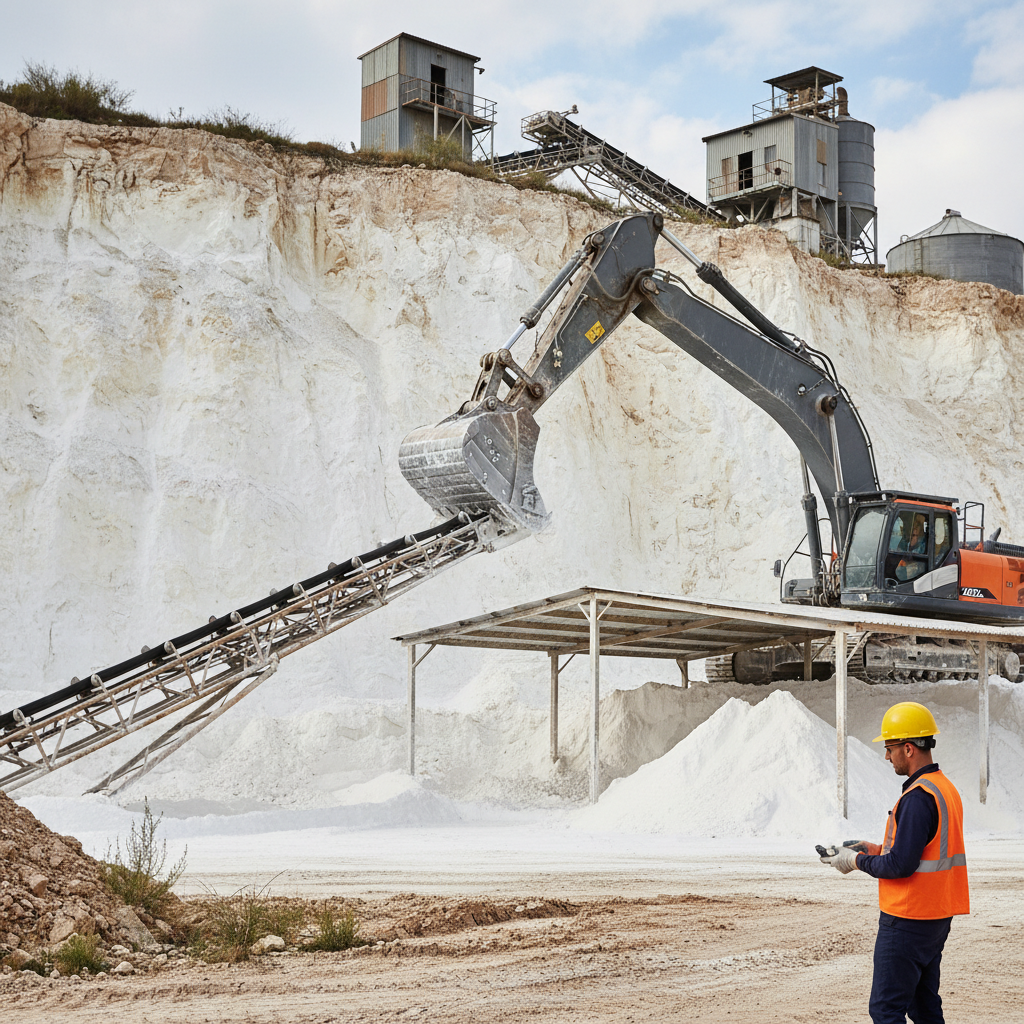
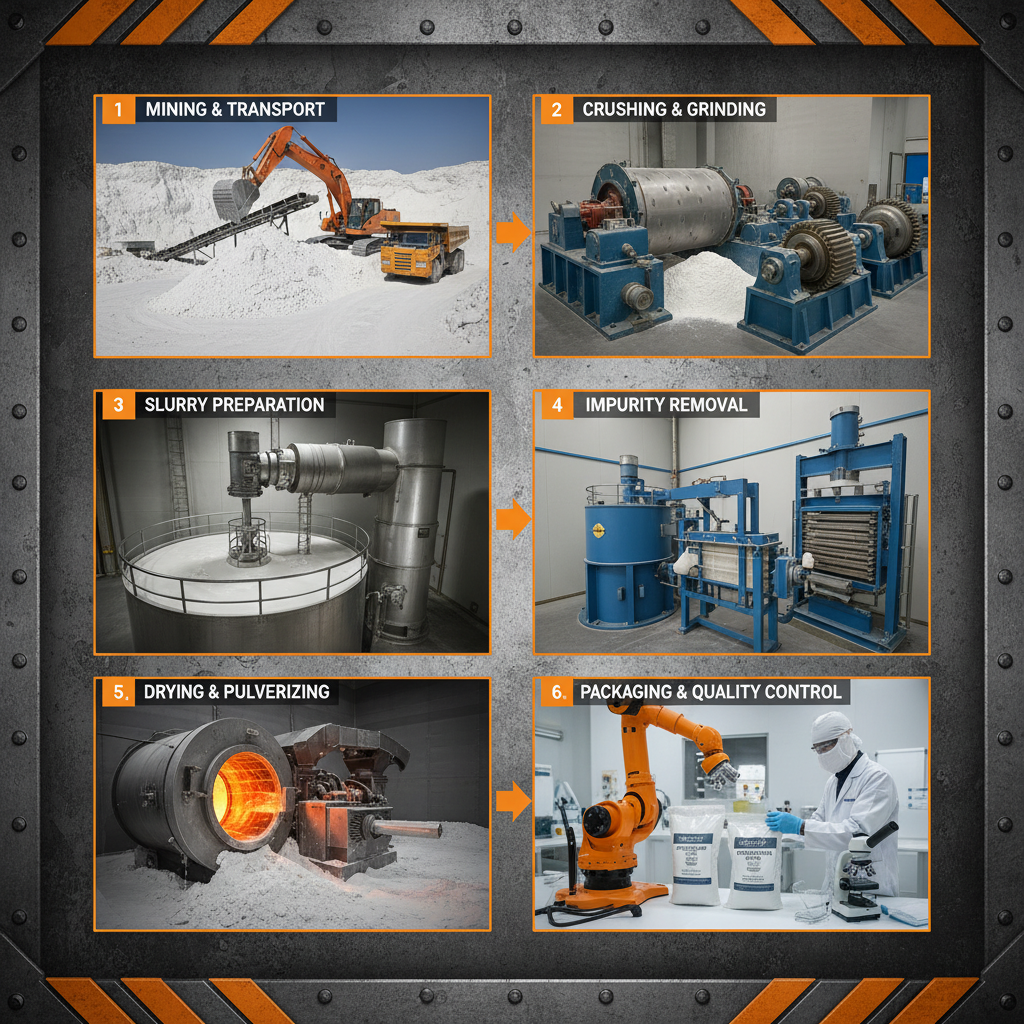
The manufacturing of ceramic decorative balls represents a significant segment within the broader mineral powder processing and inorganic salt manufacturing industry. These balls, often produced from clay, shale, or other mineral sources, undergo a firing process that imparts durability and resistance to weathering. Their growing popularity is fueled by a shift toward sustainable landscaping practices, as they offer a long-lasting and eco-friendly alternative to traditional gravel or mulch. This demand is particularly strong in regions experiencing water scarcity, where efficient drainage solutions are paramount.
The increasing interest in creating visually appealing and sustainable outdoor environments is driving the global market for ceramic decorative balls. According to industry reports, the landscaping materials market is projected to reach \$XX billion by 2028, with a considerable portion attributed to specialized elements like decorative aggregates. However, sourcing consistent quality and navigating supply chain complexities remain key challenges for consumers and businesses. Understanding the intricacies of production and application is vital for maximizing the benefits of these materials.
What are Ceramic Decorative Balls?
Ceramic decorative balls are manufactured aggregates used primarily for aesthetic and functional purposes in landscaping, horticulture, and interior design. They are typically spherical in shape, ranging in size from a few millimeters to several centimeters, and are available in a wide array of colors and finishes. The core composition generally involves refined clays and other mineral components fired at high temperatures, resulting in a durable and weather-resistant product. ceramic decorative balls are rapidly gaining popularity.
These decorative elements are often used as an alternative to traditional gravel, pebbles, or mulch. They are particularly advantageous in applications requiring excellent drainage, such as potted plant arrangements, water features, and French drains. Their lightweight nature also makes them easier to handle and install than heavier aggregates. The growing demand reflects a broader consumer preference for low-maintenance and visually appealing landscaping solutions.
The Global Context and Market Trends
The global market for landscaping materials is experiencing sustained growth, driven by increasing urbanization, rising disposable incomes, and a heightened awareness of the benefits of green spaces. This growth extends to specialized decorative elements like ceramic balls, which are seen as premium additions to landscaping projects. Regions with arid or semi-arid climates, where water conservation is a priority, are demonstrating particularly strong demand. Asia-Pacific, North America, and Europe represent the largest markets currently, with emerging markets in South America and Africa showing significant potential.
Several key trends are shaping the ceramic decorative ball market. These include a growing preference for eco-friendly and sustainable materials, a demand for unique and customizable designs, and a shift toward online retail channels. Manufacturers are responding by developing innovative production techniques that reduce environmental impact and offering a wider range of colors, textures, and sizes. The increasing adoption of digital marketing and e-commerce platforms is further expanding market reach.
Furthermore, the increasing focus on biophilic design – incorporating natural elements into built environments – is fueling demand for decorative aggregates like ceramic balls. These materials help create visually appealing and calming outdoor spaces, enhancing the well-being of occupants. The trend towards creating aesthetically pleasing, low-maintenance landscapes is set to drive continued growth in this segment of the building materials industry.
Defining Ceramic Decorative Balls
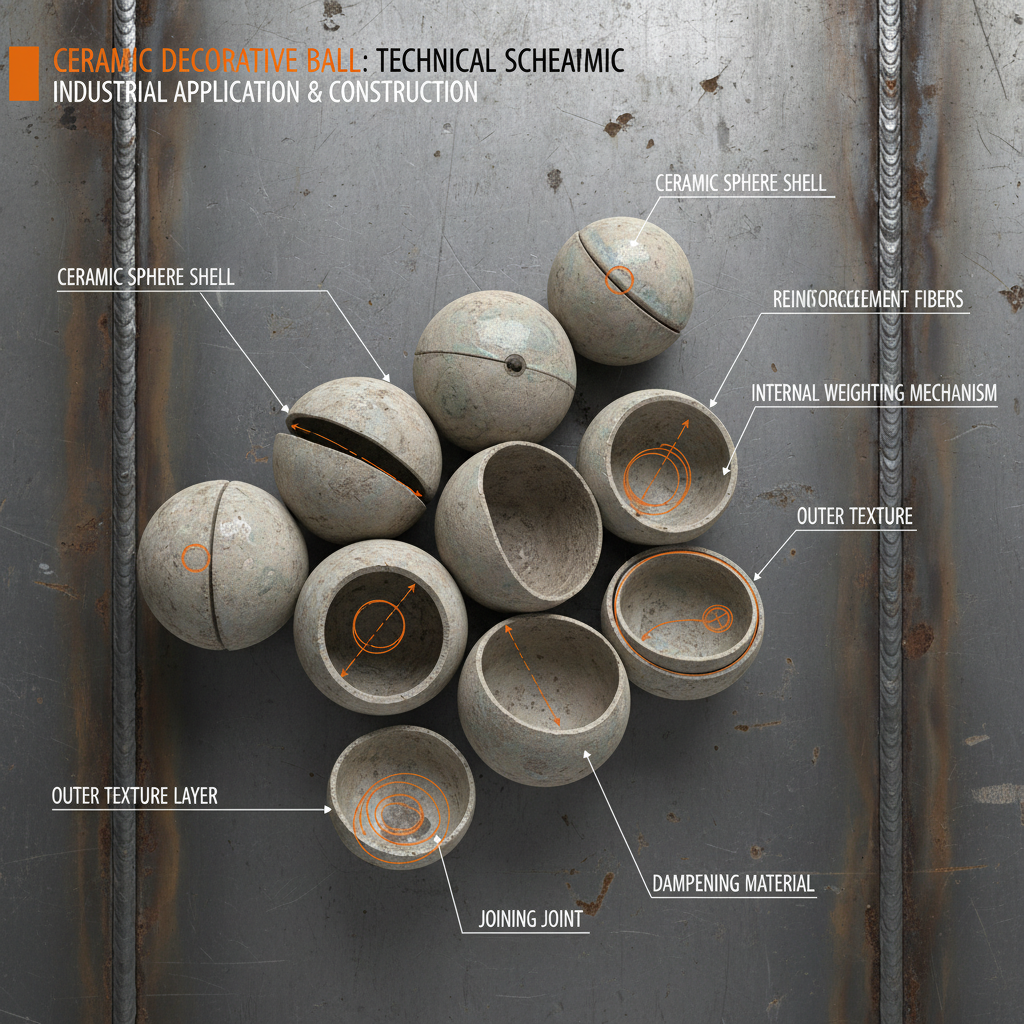
Ceramic decorative balls, in their simplest form, are manufactured spheres made from fired clay or other ceramic materials. They distinguish themselves from natural aggregates like pebbles or gravel through their consistent shape, vibrant colors, and controlled composition. The manufacturing process involves carefully selecting raw materials, shaping them into spheres, and then firing them at high temperatures to achieve desired hardness, durability, and aesthetic qualities.
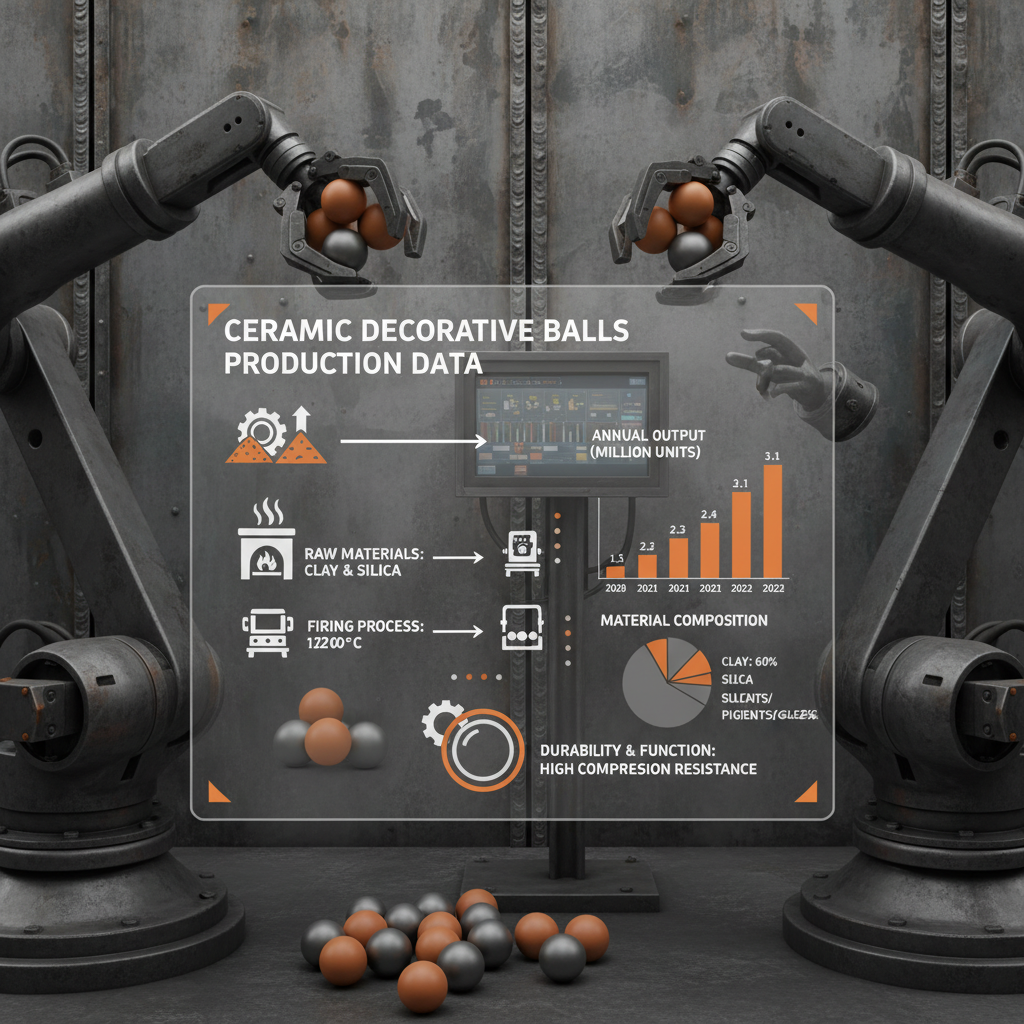
The term “ceramic” itself encompasses a broad range of inorganic, non-metallic materials, making the composition of these balls highly variable. Common ingredients include kaolin clay, ball clay, and various mineral additives used to control color, texture, and firing characteristics. The firing process, typically carried out in kilns, is crucial for achieving the desired strength and resistance to weathering. This controlled manufacturing process allows for the creation of consistently high-quality products.
Unlike natural stones, ceramic decorative balls don’t contribute to soil erosion, don’t decompose, and require minimal maintenance. They’re also non-toxic and safe for use around plants, pets, and children, making them a versatile choice for a wide range of applications. Ultimately, they represent a fusion of artistry and engineering, creating functional and aesthetically pleasing landscaping elements.
Key Characteristics of Ceramic Decorative Balls
One of the most notable characteristics of ceramic decorative balls is their exceptional durability. The firing process transforms the raw materials into a hard, inert substance resistant to cracking, chipping, and fading. This longevity translates into a low lifecycle cost, making them a cost-effective solution for long-term landscaping projects. The material resists the damaging effects of UV exposure, extreme temperatures, and moisture, ensuring lasting vibrancy.
Another key attribute is their excellent drainage capabilities. The spherical shape and consistent size allow water to flow freely around the balls, preventing waterlogging and promoting healthy root growth in plants. This makes them ideal for use in potted plants, container gardens, and areas prone to poor drainage. ceramic decorative balls provide a superior solution.
Comparative Advantages of Different Ceramic Decorative Ball Methods
Applications Across Industries
The primary application of ceramic decorative balls lies in landscaping and horticulture. They are widely used in garden beds, planters, and around trees to provide aesthetic appeal and improve drainage. Their vibrant colors and smooth textures add a touch of elegance to any outdoor space. They also serve as a functional mulch alternative, suppressing weed growth and retaining soil moisture.
Beyond traditional landscaping, these balls find applications in water features like fountains and ponds. Their inert nature ensures they won't contaminate the water, and their weight helps anchor underwater lights or other decorative elements. They're also increasingly popular in interior design, used in vases, decorative bowls, and as accent pieces in modern homes.
In industrial settings, ceramic decorative balls can be employed in wastewater treatment systems as a filtration medium. Their porous structure allows for efficient removal of pollutants and contaminants. Additionally, they find niche applications in architectural design, used to create unique textured surfaces or decorative panels.
Advantages and Long-Term Value
The long-term value of ceramic decorative balls extends beyond their aesthetic appeal. Their durability and resistance to weathering significantly reduce the need for replacement, resulting in lower maintenance costs over time. This makes them a more sustainable and cost-effective choice compared to organic mulches or gravel, which require periodic replenishment.
Environmentally, ceramic balls offer several advantages. They are manufactured from natural materials and don’t release harmful chemicals into the environment. Their reusability contributes to waste reduction, and their ability to improve drainage can help conserve water. The adoption of eco-friendly manufacturing processes further enhances their sustainability profile.
Future Innovations and Challenges
Future innovations in ceramic decorative ball production are likely to focus on enhancing sustainability and customization. This includes exploring alternative raw materials with lower carbon footprints, developing more energy-efficient firing processes, and incorporating recycled materials into the production cycle. The development of bio-ceramic balls, incorporating organic compounds to promote plant growth, is another promising avenue.
One significant challenge facing the industry is maintaining consistent quality control across different manufacturers. Variations in raw material composition and firing processes can lead to inconsistencies in color, size, and durability. Another challenge is addressing the higher initial cost compared to some traditional alternatives. However, the long-term benefits and sustainability advantages often outweigh the upfront investment.
Furthermore, exploring the integration of smart technologies, such as color-changing pigments or embedded sensors for monitoring soil moisture, could unlock new functionalities and applications for ceramic decorative balls in the future.
FAQS
Ceramic decorative balls offer a more consistent shape and color compared to natural pebbles. They are also lighter in weight, providing improved drainage and ease of handling. Additionally, ceramic balls don’t decompose or contribute to soil erosion, making them a longer-lasting and more sustainable option. While pebbles offer a natural aesthetic, ceramic balls provide greater design flexibility and control.
With proper installation and maintenance, ceramic decorative balls can last for decades. They are highly resistant to weathering, UV exposure, and temperature fluctuations. Unlike organic mulches, they won’t decompose or need to be replaced frequently. However, extreme physical impact could potentially cause chipping or cracking, so careful handling is recommended during installation.
Yes, ceramic decorative balls are generally considered safe for use around pets and children. They are non-toxic and don't release harmful chemicals. However, small balls could pose a choking hazard for young children or small pets, so it’s important to select appropriate sizes and supervise their use.
Ceramic decorative balls are relatively easy to clean. For light dirt or dust, simply hose them down with water. For more stubborn stains, you can use a mild detergent and a soft brush. Avoid using harsh chemicals or abrasive cleaners, as these could damage the surface. Regular cleaning will help maintain their vibrant color and appearance.
Yes, ceramic decorative balls are frequently used as a growing medium in hydroponic systems, particularly in deep water culture (DWC) setups. Their inert nature doesn't interfere with nutrient solutions, and their porosity provides a surface for beneficial bacteria to colonize. Ensure the balls are thoroughly cleaned before use to remove any dust or debris.
Ceramic decorative balls are available in a wide range of sizes, typically ranging from 6mm to 25mm (¼ inch to 1 inch) in diameter. Smaller sizes are often used for delicate arrangements or indoor displays, while larger sizes are better suited for landscaping projects and water features. Custom sizes are also available from some manufacturers.
Conclusion
Ceramic decorative balls represent a compelling combination of aesthetic appeal, functionality, and sustainability. Their durability, drainage capabilities, and versatility make them an excellent choice for a wide range of applications, from landscaping and horticulture to interior design and industrial filtration. Their increasing popularity reflects a growing demand for environmentally responsible and visually appealing solutions.
Looking ahead, continued innovation in materials and manufacturing processes will further enhance the value proposition of ceramic decorative balls. By embracing sustainable practices and exploring new applications, the industry can solidify its position as a key player in the broader building materials and landscaping markets. To learn more about our high-quality ceramic decorative balls and discover how they can transform your projects, visit our website: www.jirunhuabang.com.