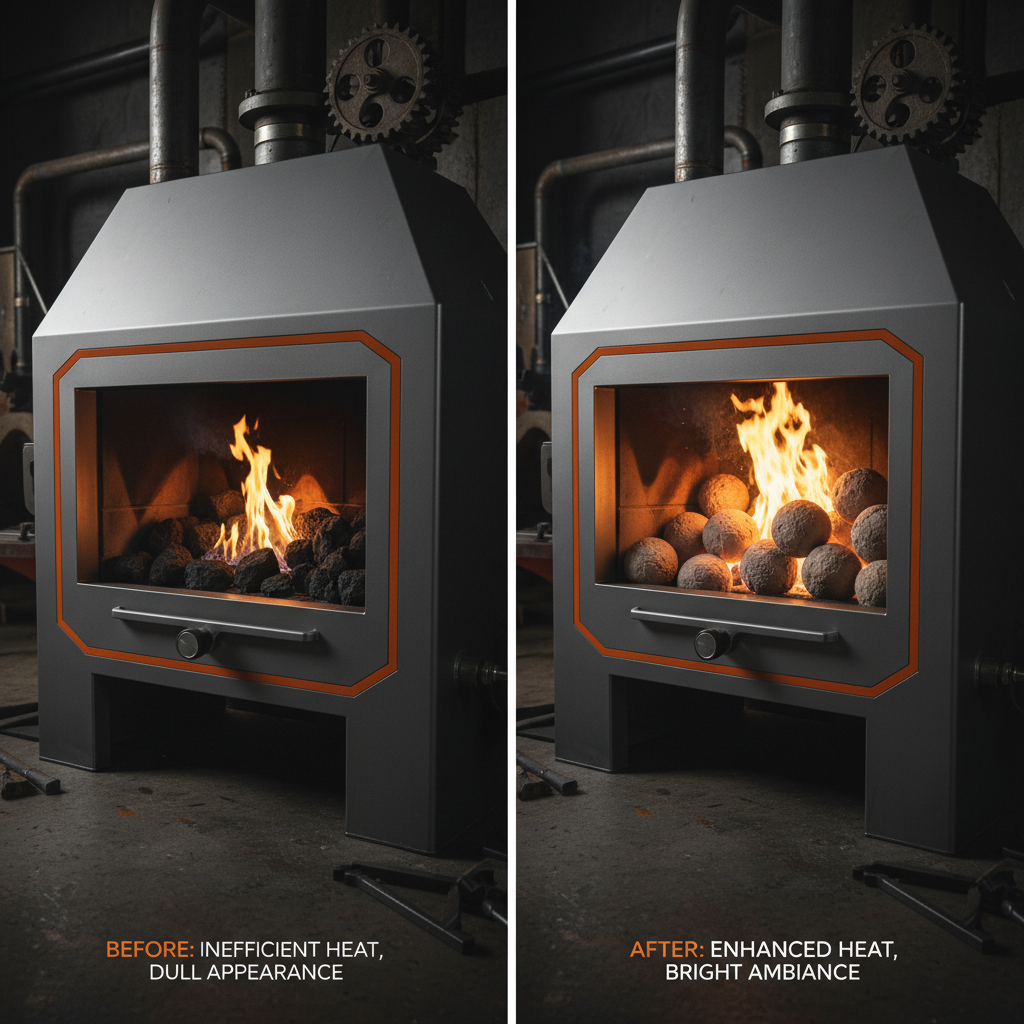
In the realm of modern home heating and interior design, ceramic fireballs for fireplace have emerged as a pivotal element that blends aesthetic luxury with high-performance engineering. These specialized ceramic spheres are designed to withstand extreme thermal stress while providing a visually striking alternative to traditional logs or coals, making them indispensable for contemporary gas and electric fireplaces globally.
Understanding the technical composition and thermal properties of these ceramic elements is crucial for homeowners and designers alike. By leveraging advanced materials from the non-metallic mineral industry, these fireballs offer a sustainable and low-maintenance solution that enhances the safety and efficiency of residential heating systems without compromising on the cozy, traditional atmosphere of a hearth.
As global trends shift toward eco-friendly interior solutions and energy-efficient home upgrades, the demand for high-quality ceramic fireballs for fireplace continues to rise. This guide explores the industry standards, material science, and practical applications of these components, ensuring you make an informed decision for your living space.
The Material Science of Ceramic Fireballs
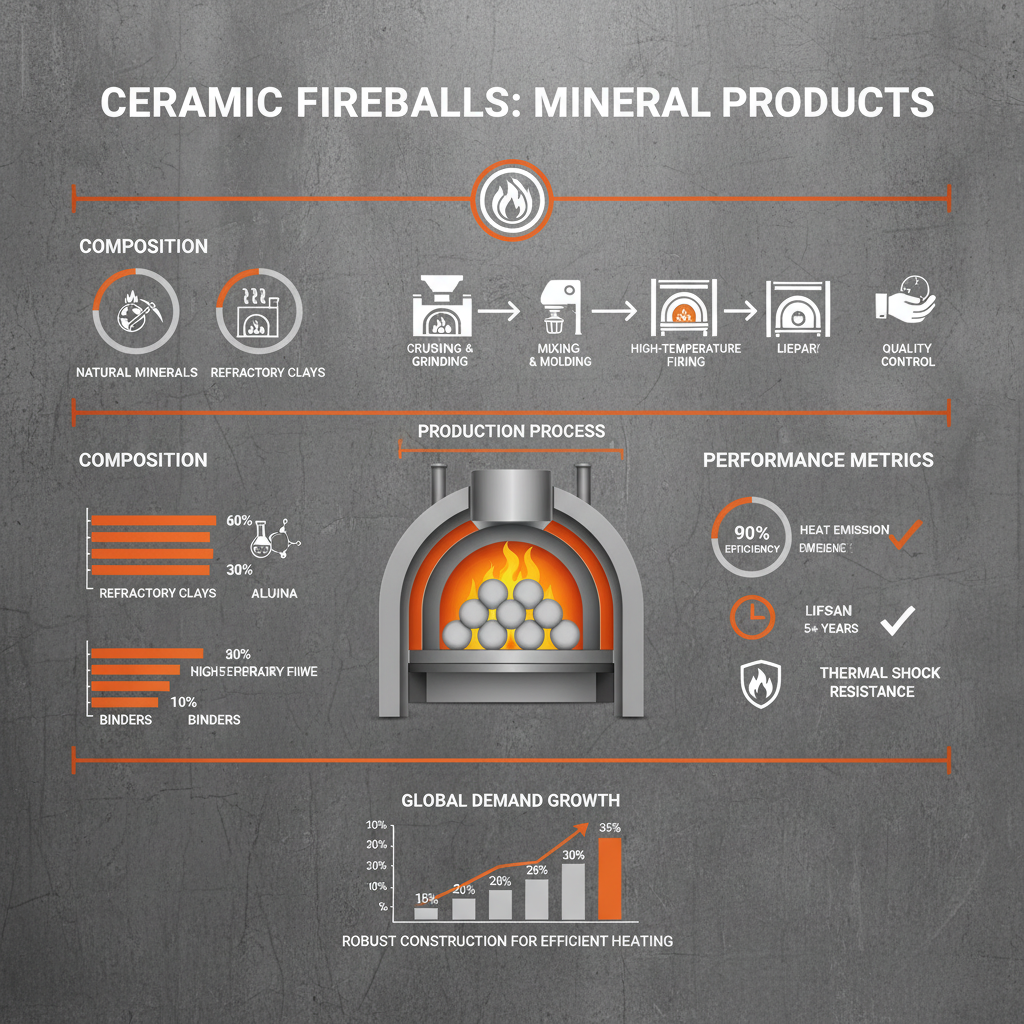
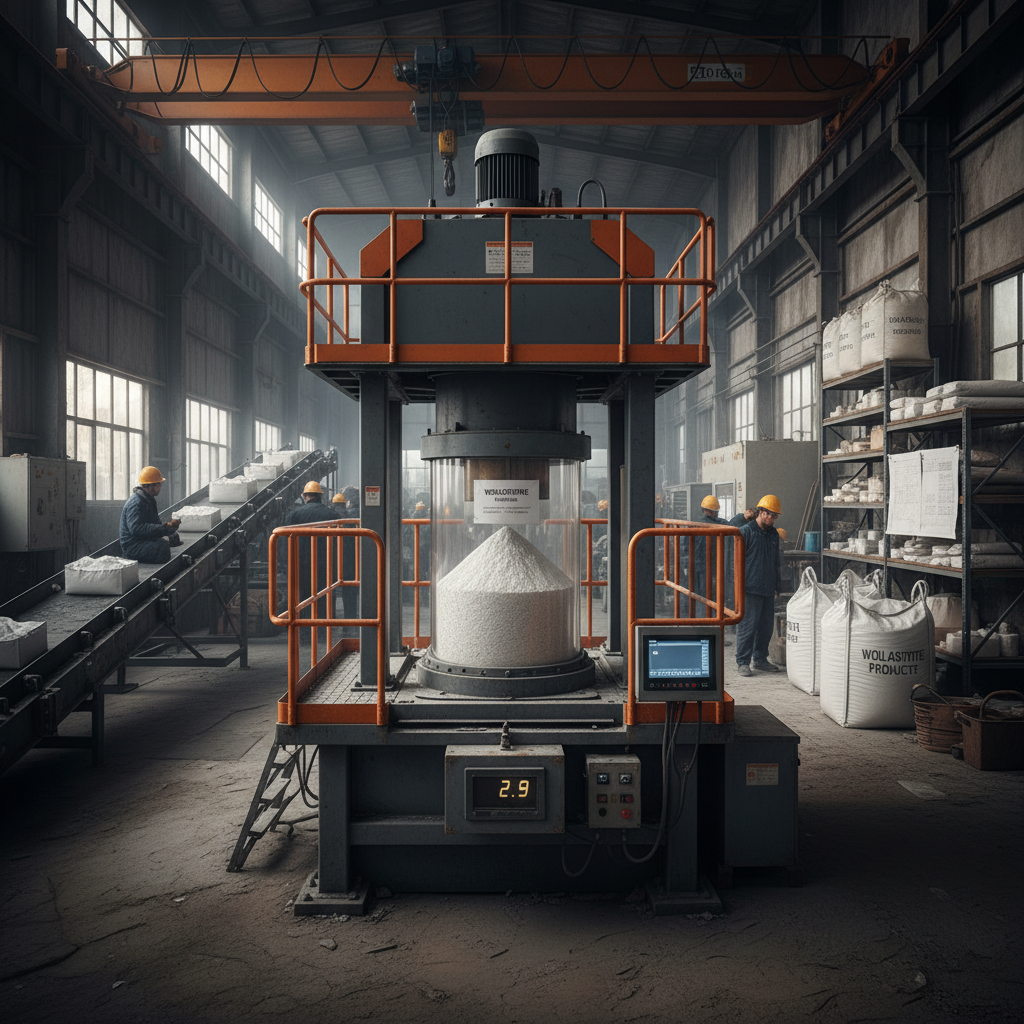
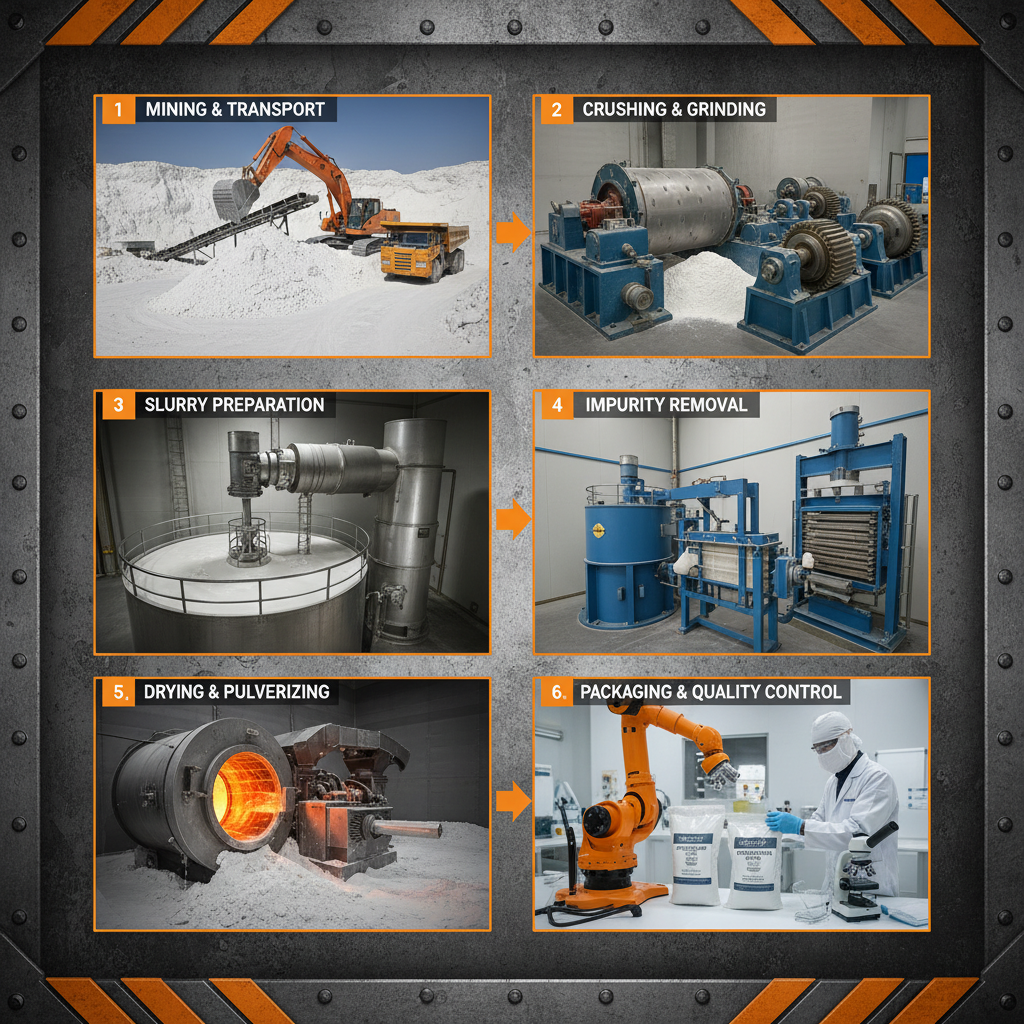
The manufacturing of ceramic fireballs for fireplace involves a sophisticated blend of high-alumina ceramics and specialized mineral additives. These materials are fired at extreme temperatures to create a dense, non-porous structure that prevents cracking under rapid heating and cooling cycles, a phenomenon known as thermal shock resistance.
Unlike standard clay, the industrial-grade ceramics used in these fireballs are engineered to maintain their shape and color even when exposed to constant direct flames. This ensures that the fireplace remains aesthetically pleasing over years of use, avoiding the soot buildup or degradation common in organic combustible materials.
Global Industry Standards and Thermal Safety
On a global scale, the production of heating media is governed by strict safety certifications, such as ISO standards for refractory materials. High-quality ceramic fireballs for fireplace must adhere to low-emission standards to ensure that no toxic fumes are released when the ceramics are first heated, protecting the indoor air quality of the home.
One of the primary challenges addressed by these standards is the prevention of "spalling"—the tendency of ceramics to flake or chip under high heat. By optimizing the mineral composition, manufacturers can guarantee that these fireballs remain structurally sound, reducing the risk of debris falling into the gas burner ports and causing uneven flame distribution.
Furthermore, the integration of these components into residential systems aligns with international energy efficiency goals. By acting as a thermal mass, they help distribute heat more evenly across the fireplace chamber, reducing the energy required to maintain a comfortable room temperature.
Key Performance Factors for Home Use
When evaluating ceramic fireballs for fireplace, durability is the foremost consideration. The ability of the material to withstand repeated expansion and contraction without fracturing ensures a long lifecycle, meaning homeowners do not need to replace their fireplace media frequently.
Scalability in design is another critical factor; these ceramic spheres come in various diameters and colors to fit everything from small wall-mounted units to expansive luxury hearths. This versatility allows for a customized visual experience while maintaining the same high level of heat resistance.
Finally, cost-efficiency over the long term is a significant advantage. While the initial investment in premium ceramic fireballs for fireplace may be higher than cheap alternatives, their resistance to wear and tear eliminates the recurring costs associated with replacing degraded filler materials.
Comparative Efficiency and Heat Retention
The efficiency of heat distribution depends heavily on the surface area and material density of the fireplace media. ceramic fireballs for fireplace are engineered to absorb heat and radiate it slowly back into the room, creating a more stable and consistent warming effect compared to traditional pebbles.
By analyzing different material compositions, we can see a clear distinction in how various types of ceramic media perform under identical thermal loads. High-alumina spheres typically outperform standard clay spheres in both heat retention and longevity.
Heat Retention Comparison of Fireplace Media
Global Applications in Modern Architecture
In high-end residential projects across North America and Europe, ceramic fireballs for fireplace are frequently used in "open-concept" living rooms where the fireplace serves as a sculptural centerpiece. Architects favor them because they allow for clean, minimalist lines that would be impossible with messy wood-burning setups.
Beyond private homes, these ceramic components are widely adopted in commercial hospitality sectors, such as hotel lobbies and luxury lounges. In these high-traffic environments, the safety and low-maintenance nature of ceramic media are paramount, providing the emotional warmth of a fire without the operational risks of real ash or smoke.
Long-term Value and Sustainability Benefits
From a sustainability perspective, shifting to ceramic fireballs for fireplace reduces the reliance on harvested timber, thereby contributing to forest preservation. Because they are inorganic and chemically stable, they do not release particulate matter (PM2.5) into the air, making them a healthier choice for urban dwellings.
The logical value lies in the "install and forget" nature of the product. Unlike traditional logs that must be replenished or cleaned, ceramic spheres maintain their integrity indefinitely. This reliability builds trust with consumers who seek a seamless blend of luxury and functionality.
Furthermore, the use of non-toxic mineral pigments in the coloring process ensures that these products are safe for households with pets and children, adding a layer of social responsibility to the product's value proposition.
Future Innovations in Ceramic Fireplace Media
The next generation of ceramic fireballs for fireplace is moving toward "smart materials" that can change color based on temperature or integrate with LED lighting for dynamic visual effects. These innovations are driven by the digital transformation of home automation, allowing users to synchronize their fireplace aesthetics with their smart home lighting.
Researchers are also exploring the use of nano-ceramic coatings to further increase heat conductivity, allowing fireplaces to warm rooms more quickly while using less gas. This alignment with green energy policies is essential for the industry's growth in an era of strict carbon regulations.
As automation in manufacturing increases, we can expect even more precise control over the porosity and density of these spheres, leading to a product that is lighter yet stronger than current industry standards.
Technical Analysis of Future Ceramic Media Variations
| Material Type |
Heat Conductivity |
Lifespan Rating |
Eco-Friendliness |
| Standard Ceramic |
Medium |
High |
Good |
| Nano-Coated Alumina |
Very High |
Excellent |
Excellent |
| Composite Mineral |
High |
Medium |
Good |
| Porous Refractory |
Low |
High |
Excellent |
| Glazed Ceramic |
Medium |
High |
Fair |
| Carbon-Infused |
Excellent |
Very High |
Good |
FAQS
Yes, high-quality ceramic fireballs for fireplace are designed for most natural gas and propane fireplaces. However, it is essential to ensure the balls are specifically rated for your burner type to maintain proper airflow and prevent gas buildup. Always follow the manufacturer's guidelines regarding the depth of the media layer.
When manufactured from industrial-grade alumina or refractory ceramics, these fireballs are virtually permanent. Unlike organic logs that ash over time, ceramic media do not combust. Unless they are physically damaged or cracked due to extreme misuse, they can last for the entire lifetime of the fireplace unit.
Cleaning is minimal. Over time, dust may settle on the spheres. You can simply use a vacuum with a soft brush attachment to remove debris. Because they are non-porous, they do not absorb odors or oils, making them much easier to maintain than traditional wood-burning hearths.
Absolutely. Mixing different diameters of ceramic fireballs for fireplace is actually recommended by interior designers to create a more natural, organic look. Just ensure that smaller spheres are not packed too tightly, as this could obstruct the gas flow from the burners.
Premium ceramic fireballs use heat-stable mineral pigments that are fired into the material during the sintering process. This means the color is not a surface coating but is integrated into the ceramic structure, ensuring it will not fade or peel even under constant high-temperature exposure.
Yes, they are highly sustainable. By using ceramic media in gas or electric fireplaces, homeowners eliminate the need for firewood, reducing deforestation and eliminating smoke emissions. Additionally, their extreme durability means there is very little waste generated over the product's lifecycle.
Conclusion
In summary, ceramic fireballs for fireplace represent the perfect intersection of material science and home aesthetics. By providing unmatched thermal stability, low maintenance requirements, and a versatile design language, they solve the age-old conflict between wanting the warmth of a fire and avoiding the mess of combustion. From their alumina-rich composition to their role in modern, sustainable architecture, these components offer long-term value and safety for any modern home.
As we look toward the future, the integration of smart materials and even more efficient heat-radiating ceramics will continue to redefine the home heating experience. For those looking to upgrade their living space with a solution that is as durable as it is beautiful, investing in high-grade ceramic media is a strategic choice. Visit our website for more information and professional guidance: www.jirunhuabang.com