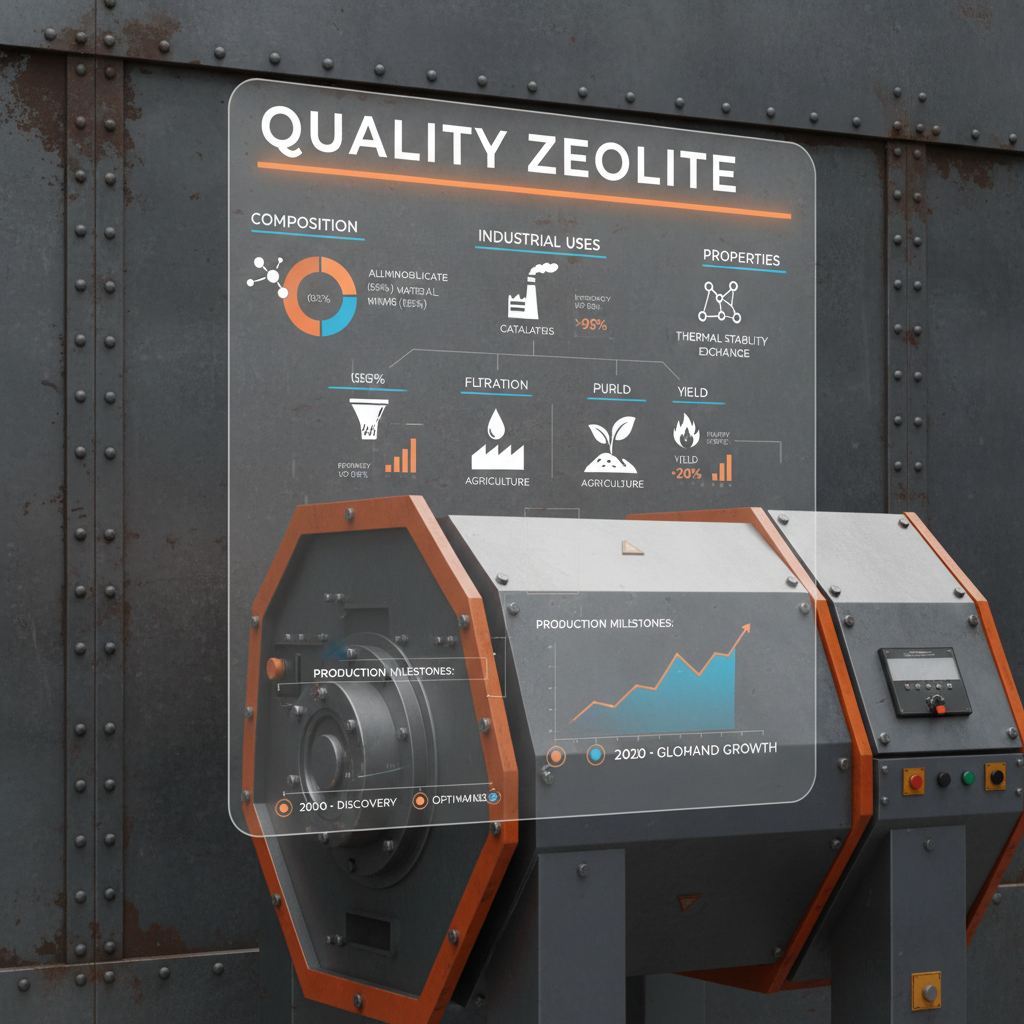
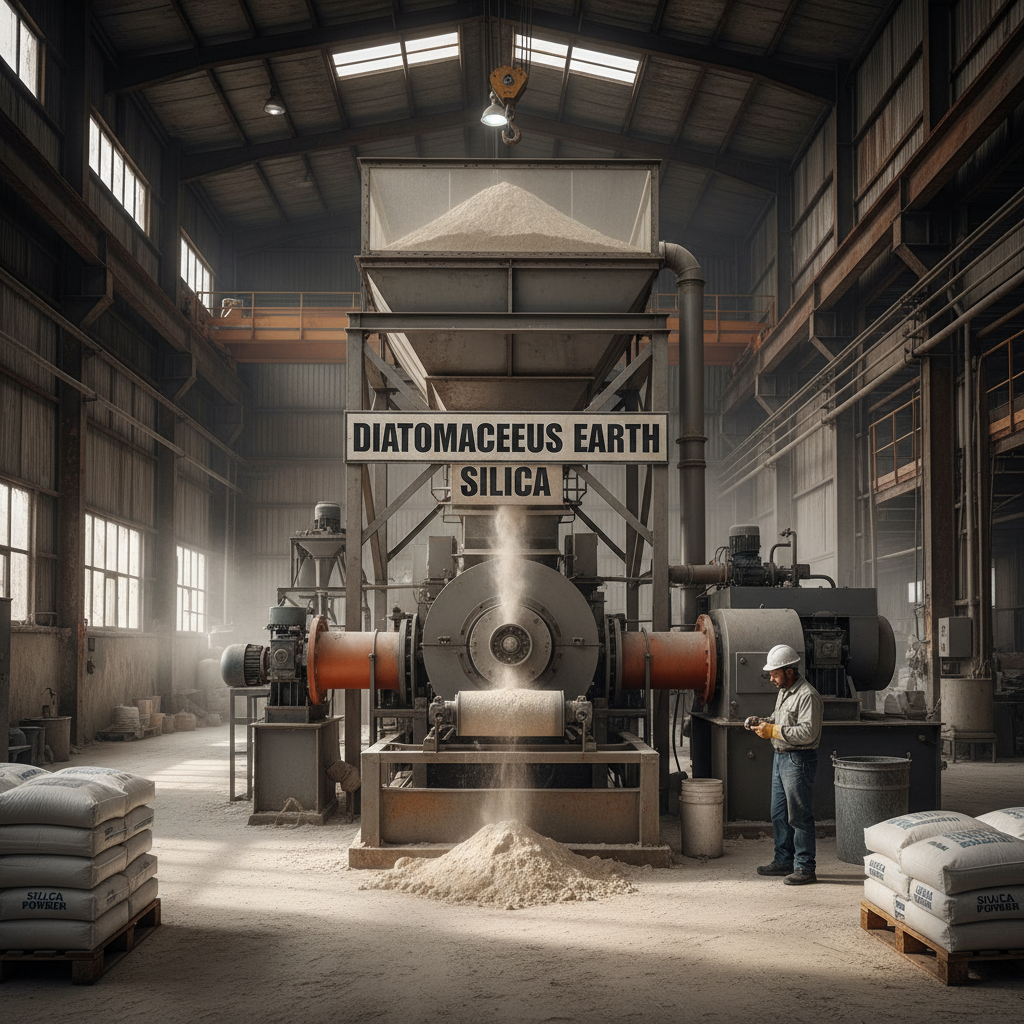
Quality zeolite, a crystalline aluminosilicate with a unique porous structure, is rapidly gaining prominence across a multitude of industries and applications. Its exceptional adsorption capabilities, ion exchange properties, and thermal stability make it an invaluable material in areas ranging from water purification and air separation to catalysis and agriculture. Understanding the nuances of quality zeolite is crucial for addressing some of the most pressing global challenges, including resource scarcity and environmental sustainability.
The global demand for quality zeolite is steadily increasing, driven by stricter environmental regulations, growing populations, and the expanding need for efficient and sustainable technologies. Market reports indicate substantial growth in the zeolite market, with key players investing heavily in research and development to enhance production processes and explore novel applications. This expanding market underscores the importance of understanding the varying types, properties, and optimal uses of quality zeolite.
From purifying drinking water in remote communities to enhancing crop yields in agricultural settings, quality zeolite offers a versatile and cost-effective solution. Its inherent properties contribute to more efficient industrial processes and environmentally responsible practices, solidifying its role as a key material for a sustainable future.
Introduction to quality zeolite
Quality zeolite’s defining characteristic is its unique crystalline structure, creating a network of interconnected pores. These pores provide a remarkably large surface area – often exceeding 500 square meters per gram – which allows for exceptional adsorption capabilities. This fundamental feature is at the heart of its widespread use in purification and separation processes.
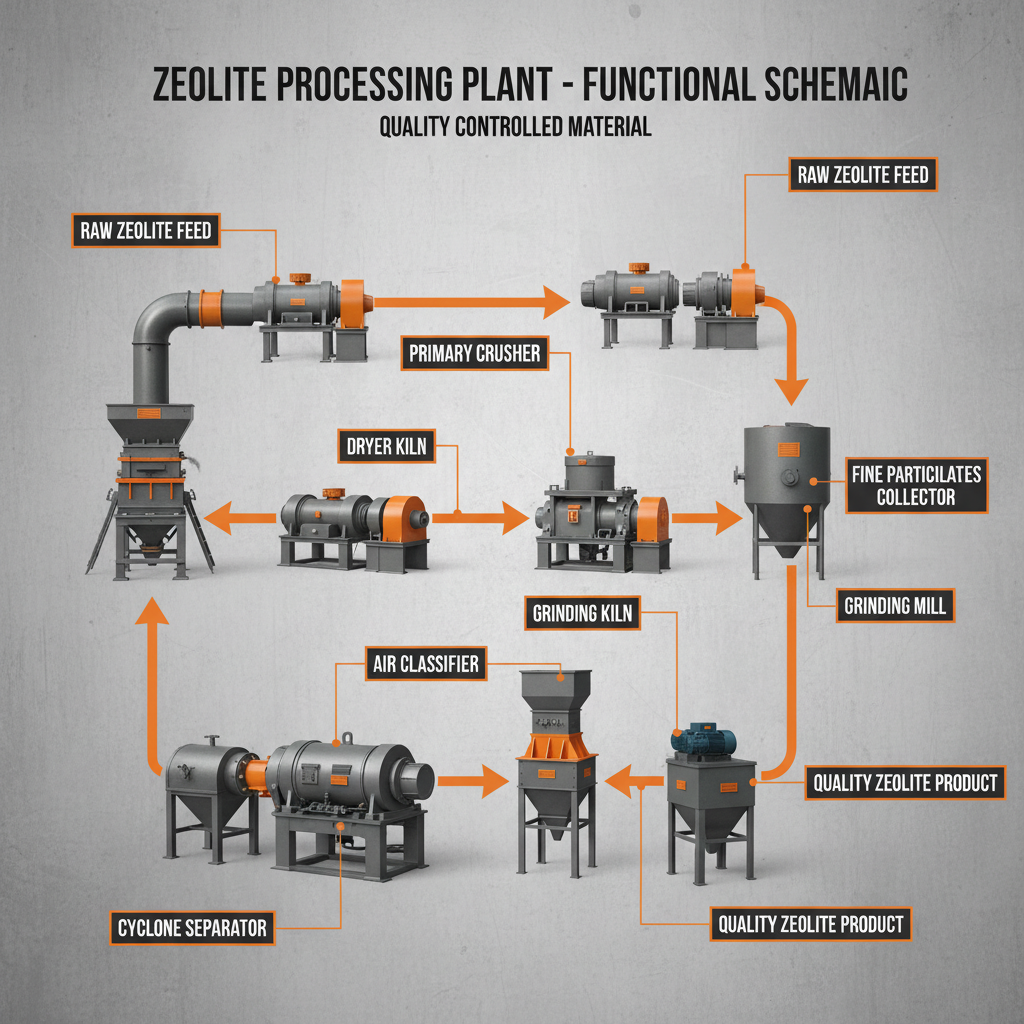
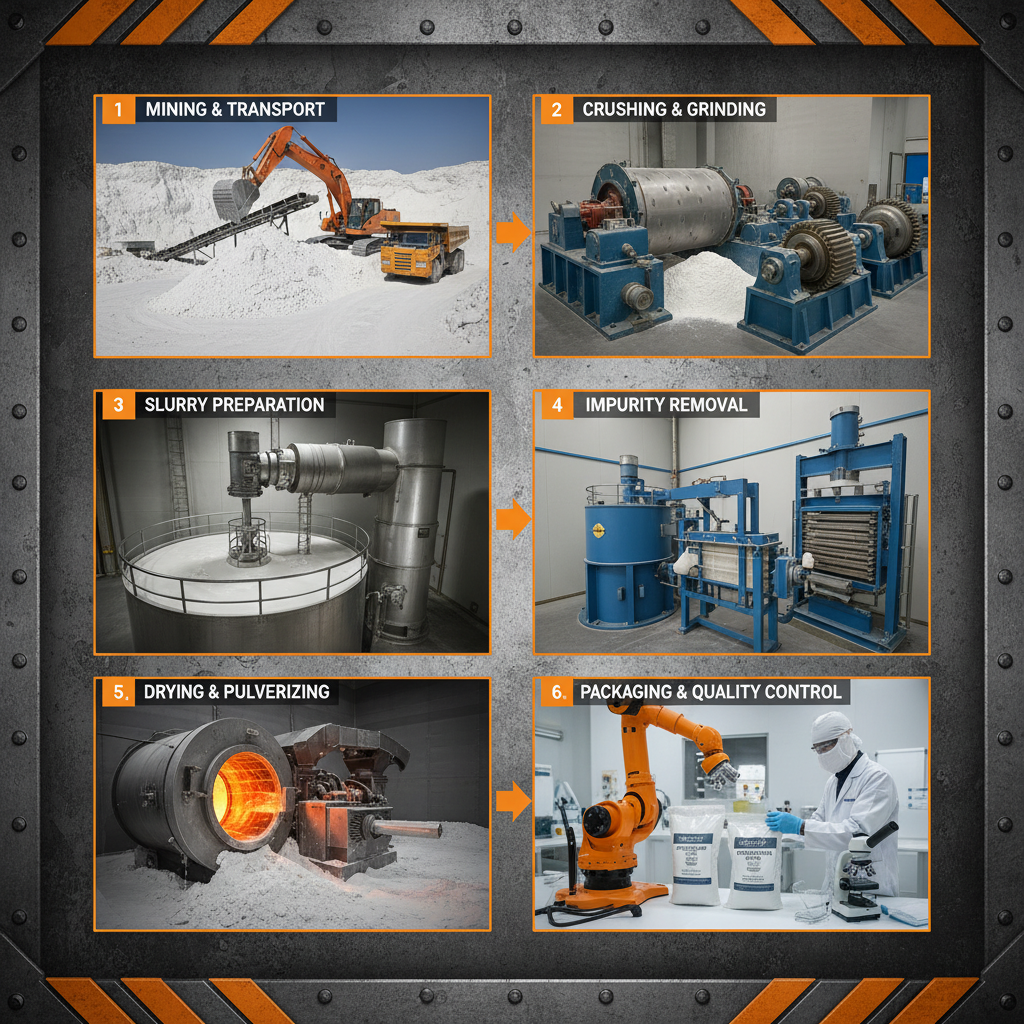
The production of quality zeolite involves both natural occurrences and synthetic methodologies. While naturally occurring zeolites are found in volcanic ash and sedimentary rocks, synthetic zeolites offer greater control over particle size, purity, and crystalline structure, tailoring their properties for specific industrial applications. quality zeolite suppliers prioritize consistent quality and reliability.
The Global Significance of quality zeolite
The United Nations Sustainable Development Goals (SDGs) increasingly highlight the need for clean water, sustainable agriculture, and resource efficiency. Quality zeolite plays a vital role in achieving these goals. For example, it's instrumental in removing pollutants from wastewater, improving soil quality for increased crop yields, and reducing greenhouse gas emissions through catalytic conversion processes.
Global demand for water purification technologies is projected to reach over $35 billion by 2027 (source: Grand View Research). Quality zeolite-based filters and adsorption systems are becoming central to this market, particularly in regions facing water scarcity. The World Bank actively promotes technologies like these to improve access to clean water in developing nations.
A significant challenge facing the global community is the efficient removal of harmful contaminants from industrial wastewater. Quality zeolite's selective adsorption capabilities allow it to effectively remove heavy metals, ammonia, and other pollutants, ensuring compliance with increasingly stringent environmental regulations outlined by organizations like the ISO 14001 standards.
Defining quality zeolite
Quality zeolite is an aluminosilicate mineral comprised of silicon, aluminum, oxygen, and alkali or alkaline earth metals. Its structure is characterized by a three-dimensional framework of interconnected tetrahedra, forming a microporous material. These pores act like molecular sieves, selectively allowing molecules of certain sizes and shapes to pass through, while excluding others.
The term "quality" in this context refers to several key parameters: high purity, consistent crystalline structure, controlled pore size distribution, and a low content of impurities. These characteristics directly impact the zeolite’s performance in specific applications. quality zeolite is crucial to maximizing effectiveness.
The connection to modern industry and humanitarian needs is profound. From refining petroleum and producing detergents to providing clean drinking water and supporting sustainable agriculture, quality zeolite is an essential component of numerous critical processes. Its ability to improve efficiency, reduce waste, and protect the environment makes it an invaluable resource.
Core Characteristics of quality zeolite
Durability is a cornerstone of quality zeolite’s value. Its crystalline structure provides exceptional thermal and chemical stability, allowing it to withstand high temperatures and harsh chemical environments without degradation. This resilience is vital in demanding industrial applications such as catalytic cracking and chemical synthesis.
Selectivity refers to the zeolite's ability to preferentially adsorb molecules based on their size, shape, and polarity. This property makes it incredibly effective in separation processes, such as removing specific contaminants from air or water streams. Different types of quality zeolite are engineered to exhibit varying levels of selectivity.
quality zeolite Adsorption Capacity Comparison
Diverse Applications of quality zeolite
In the realm of water purification, quality zeolite is used to remove ammonia, heavy metals, and radioactive contaminants, providing safe drinking water for communities worldwide. Its ion exchange properties are particularly effective in water softening, preventing scale buildup in pipes and appliances.
Within the agricultural sector, quality zeolite acts as a soil amendment, improving water retention, nutrient availability, and aeration. This leads to healthier plant growth, increased crop yields, and reduced fertilizer use. In post-disaster relief operations, quality zeolite can be used to remediate contaminated soil and water sources.
Advantages and Long-Term Value of quality zeolite
The cost-effectiveness of quality zeolite is significant, particularly when considering its long lifespan and regenerability. Many zeolite-based materials can be regenerated through simple heating processes, allowing for repeated use and reducing waste. This translates into lower operating costs compared to alternative materials.
Sustainability is a key benefit. By reducing the need for harsh chemicals, conserving water, and promoting efficient resource utilization, quality zeolite contributes to a more environmentally responsible approach to industrial processes and environmental remediation. The use of quality zeolite aligns with global efforts to reduce our carbon footprint and protect natural resources.
Future Innovations in quality zeolite Technology
Ongoing research is focused on developing novel zeolite structures with enhanced properties, such as increased pore size and improved selectivity. These advancements will unlock new applications in areas like carbon capture, advanced catalysis, and targeted drug delivery.
The integration of quality zeolite with nanotechnology is also a promising area of development. Creating zeolite-based nanocomposites can lead to materials with synergistic properties, further expanding their capabilities. Advances in digital manufacturing and automation are streamlining the production of customized quality zeolite materials for specific applications.
The development of "smart" zeolites that respond to external stimuli, such as temperature or light, is an emerging field. These materials could revolutionize areas like self-healing materials and controlled-release systems, opening up exciting new possibilities for innovation.
Core Considerations for Optimizing quality zeolite Performance
| Zeolite Type |
Application Area |
Regeneration Method |
Performance Metrics |
| Zeolite A |
Detergent Building |
Thermal Decomposition |
Cation Exchange Capacity (CEC): 8.0 |
| Zeolite X |
Gas Separation |
Pressure Swing Adsorption (PSA) |
Nitrogen Selectivity: 95% |
| Zeolite Y |
Catalytic Cracking |
Coking & Regeneration Cycles |
Gasoline Yield: 55% |
| Zeolite Beta |
Isomerization |
Hydrogen Treatment |
Octane Number Improvement: 10 |
| Zeolite ZSM-5 |
Methanol to Gasoline |
Calcination |
Conversion Rate: 90% |
| Mordenite |
Drying Agent |
Desiccant Cycle |
Water Adsorption: 20% wt |
FAQS
Quality zeolite distinguishes itself from other filtration media through its unique crystalline structure and molecular sieve properties. This allows for incredibly selective adsorption, removing specific contaminants with high efficiency. Unlike many other media, it can often be regenerated, extending its lifespan and reducing overall costs. Its thermal and chemical stability also makes it suitable for a wider range of applications.
The pore size of quality zeolite is a critical factor determining its suitability for different applications. Smaller pore sizes are ideal for adsorbing smaller molecules, like water or ammonia, while larger pores can accommodate larger molecules, making them useful for separating hydrocarbons. Carefully controlling the pore size during synthesis allows for tailoring the zeolite to specific separation and catalytic processes.
Absolutely. Quality zeolite is highly effective in treating industrial wastewater, removing heavy metals, dyes, and other pollutants. Its ion exchange capabilities and selective adsorption properties allow for significant reductions in contaminant levels, helping industries meet stringent environmental regulations. Different zeolite types are often used in combination to target a broader range of pollutants.
The lifespan of a quality zeolite filter varies depending on the application and the concentration of contaminants. However, many zeolite filters can last for several years with proper maintenance. Extending the lifespan involves regular backwashing to remove accumulated debris, and periodic regeneration through thermal or chemical treatment to restore its adsorption capacity.
Yes, quality zeolite is generally considered environmentally friendly. It's a naturally occurring mineral, and synthetic versions are produced using relatively benign materials. It helps reduce pollution by removing contaminants from water and air, and its regenerability minimizes waste generation. It's a sustainable alternative to many conventional filtration and separation technologies.
Sourcing high-quality zeolite requires careful consideration. Look for reputable suppliers who provide detailed product specifications, including purity, pore size, and adsorption capacity. quality zeolite is committed to providing consistently reliable materials. Consider requesting samples for testing to ensure it meets your specific requirements.
Conclusion
In conclusion, quality zeolite represents a powerful and versatile material with significant potential to address critical global challenges. Its unique properties – durability, selectivity, and regenerability – make it an invaluable asset across a wide spectrum of applications, from water purification and agriculture to industrial catalysis and environmental remediation. Understanding the nuances of quality zeolite is key to unlocking its full potential.
Looking ahead, continued research and innovation will undoubtedly expand the applications of quality zeolite even further. By embracing sustainable practices and investing in the development of new zeolite-based technologies, we can pave the way for a cleaner, more efficient, and more sustainable future. Visit our website at www.huabangmica.com to learn more about how quality zeolite can benefit your operations.