
Transforming Kids Playtime with Premium pink sand for sandbox
Back to list
Transforming Playtime with Pink Sand for Sandbox
Creating a magical environment for children starts with the details. Using pink sand for sandbox setups is more than just a visual upgrade; it is about stimulating creativity and providing a sensory experience that captures a child's imagination. Whether you are a parent looking to surprise your little ones or a commercial playground designer, the right choice of colored sand can turn a standard play area into a fairytale destination. In this guide, we will explore everything from safety and aesthetics to the technical specifications of high-quality decorative sands.
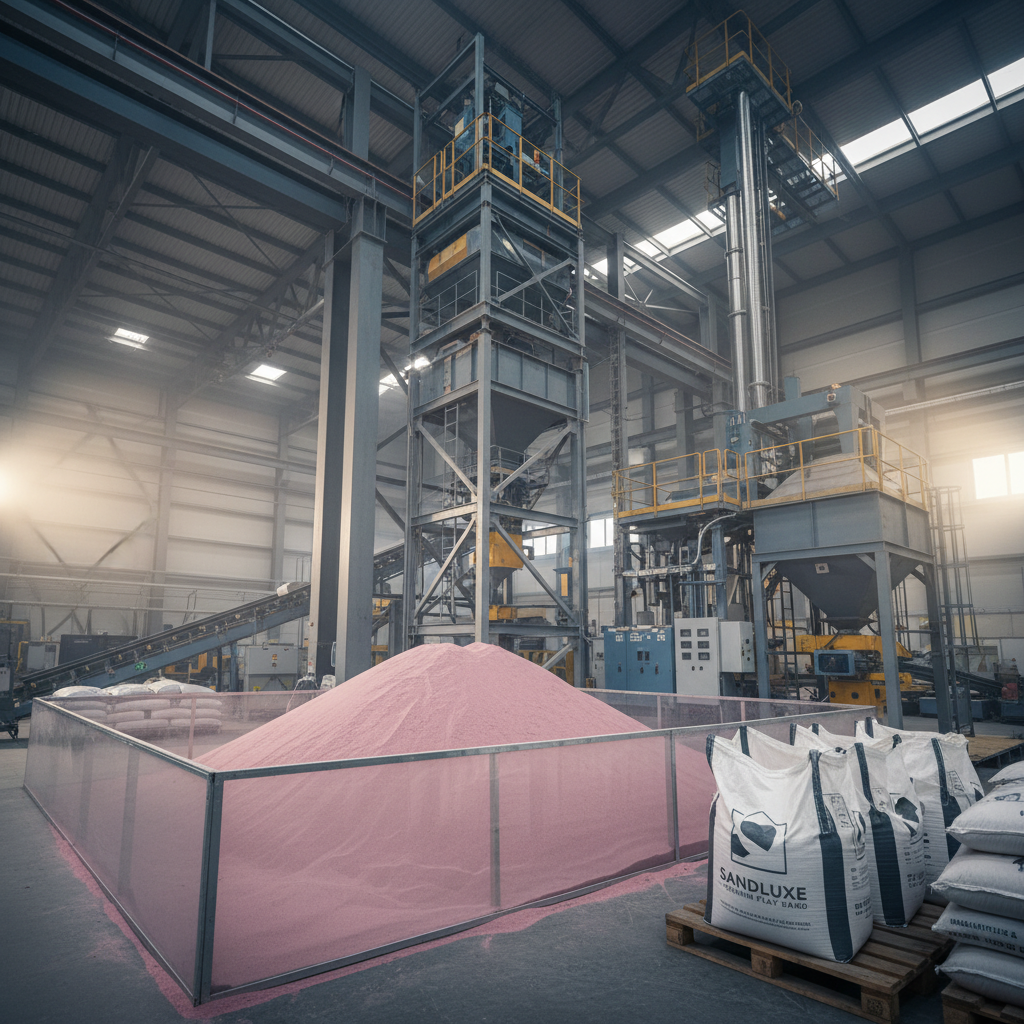
The Visual and Psychological Appeal of Pink Sand
Color plays a significant role in childhood development. While traditional white or yellow sand is functional, pink sand for sandbox installations introduces a vibrant, playful energy to the backyard. Pink is often associated with warmth, compassion, and playfulness, which encourages children to engage more deeply in imaginative role-playing. From building "candy castles" to creating "mermaid lagoons," the color serves as a catalyst for storytelling. Furthermore, the contrast between the soft pink hues and the green of a garden creates a visually stunning landscape that enhances the overall curb appeal of the home.
Design Tip: To maximize the aesthetic impact, consider layering different shades of pink or mixing the pink sand with white crystals to create a shimmering, pearlescent effect that glows under sunlight.
Safety and Material Quality for Children's Play
When selecting pink sand for sandbox use, safety is the absolute priority. Not all colored sands are created equal. Low-quality dyed sands can bleed color onto clothing or, worse, contain harmful chemicals that irritate sensitive skin. Professional-grade decorative sand is typically coated or naturally mineral-based to ensure the color remains vibrant without leaching. It should be dust-free and rounded to prevent abrasions. By choosing a supplier that adheres to strict non-toxic standards, you ensure that the play area remains a safe haven for exploration and tactile learning.
Comparing Pink Sand for Sandbox vs. Natural Sand
Many parents wonder if the switch to colored sand is worth the investment. While natural sand is readily available, it lacks the sensory stimulation and "wow factor" of premium decorative options. The main difference lies in the emotional engagement and the visual maintenance. High-quality pink sand is often processed to be more consistent in grain size, which actually makes it easier to mold into shapes than coarse natural beach sand. Below is a detailed comparison to help you decide which is right for your space.
Installation and Maintenance Tips for Pink Sand
To keep your pink sand for sandbox looking fresh, proper installation is key. First, ensure the sandbox has a high-quality weed barrier or geotextile fabric at the bottom; this prevents natural soil from mixing with your beautiful pink sand, preserving the color purity. Second, consider a cover for the sandbox. While high-quality sand is weather-resistant, a cover prevents fallen leaves and debris from contaminating the area. To maintain the sand, a simple rake every few weeks helps aerate the surface and redistribute the color evenly across the play zone.
Product Specifications for Premium Pink Sand
For those managing larger projects or commercial installations, understanding the technical aspects is essential. The performance of pink sand for sandbox applications depends on the mineral composition and the grading of the particles. Our premium range is designed to be pH neutral and UV resistant, meaning the pink hue will not fade even under intense summer sun. The following table provides a snapshot of the technical specifications typically required for high-end play sand.
Conclusion: Elevating Play with Premium Pink Sand
Choosing pink sand for sandbox environments is a wonderful way to blend functionality with fantasy. By prioritizing safety, choosing high-grade non-toxic materials, and implementing a few simple maintenance steps, you can create a stimulating and secure play area that children will adore for years. Whether it is for a home backyard or a public park, the right decorative sand transforms a simple activity into an extraordinary experience. Invest in quality, and let the magic of color inspire the next generation of builders and dreamers.
Frequently Asked Questions (FAQs)
Is pink sand safe for toddlers who might put it in their mouths?
Yes, provided you purchase professional-grade, non-toxic pink sand for sandbox use. High-quality decorative sands are processed to be free of harmful chemicals, lead, and heavy metals. However, as with any sandbox material, it is always recommended that toddlers be supervised during play. We suggest checking for certifications such as EN71 or ASTM standards to ensure the product is safe for early childhood development and tactile exploration.
Will the pink color fade over time due to sunlight?
Premium colored sands are treated with UV-resistant coatings or are made from naturally colored minerals that resist fading. While extreme exposure to the sun over many years may cause a slight shift in tone, the professional-grade options available at Huabang Mica are designed to maintain their vibrancy. To further extend the color life, using a sandbox cover when the area is not in use can protect the sand from both UV rays and environmental pollutants.
How do I clean my pink sandbox if it gets dirty?
The best way to clean your pink sand is through manual removal of debris. Use a leaf blower on a low setting or a garden rake to remove leaves and twigs. If the sand becomes heavily contaminated with organic matter, you can use a sand sifter to separate the clean grains from the dirt. Avoid using high-pressure water hoses directly on the sand, as this can cause the sand to compact or wash away. Regular sifting and the use of a cover are the most effective ways to keep the colors bright and the environment hygienic.
Can I mix pink sand with other colors?
Absolutely! Mixing pink sand for sandbox with white, purple, or blue sand can create a stunning multi-colored effect. Some parents prefer "layering" the colors before the children start playing, which creates a beautiful striped effect when the children dig. This not only enhances the visual appeal but also adds an educational element as children learn about color mixing and layering through hands-on play.