Runhuabang Color Sand MOQ And Lead Time Logistics Guide

Procurement planning for Runhuabang decorative color sand requires aligning sample evaluation thresholds with commercial-scale batch scheduling. Operational scope centers strictly on the direct link between order sizing, production constraints, and maritime logistics.
Small-scale material testing operates independently from industrial-grade fulfillment workflows.
Evaluating The 1kg Minimum Order Quantity For Initial Sample Testing
Evaluating Sample Scenarios and Initial Material Verification
The 1kg minimum order quantity functions strictly as an initial testing threshold for sample evaluations across Industry Grade and Construction grade applications. Procurement teams examine small lots to confirm physical grain characteristics before committing to capital outlays for larger runs.
Sample dispatch speed does not reflect bulk industrial delivery timelines. Small batches require distinct handling steps at sorting stations, meaning testing consignments travel through expedited channels separate from multi-ton freight runs.
Managing Feedback Before Scaling to Commercial Purchase Orders
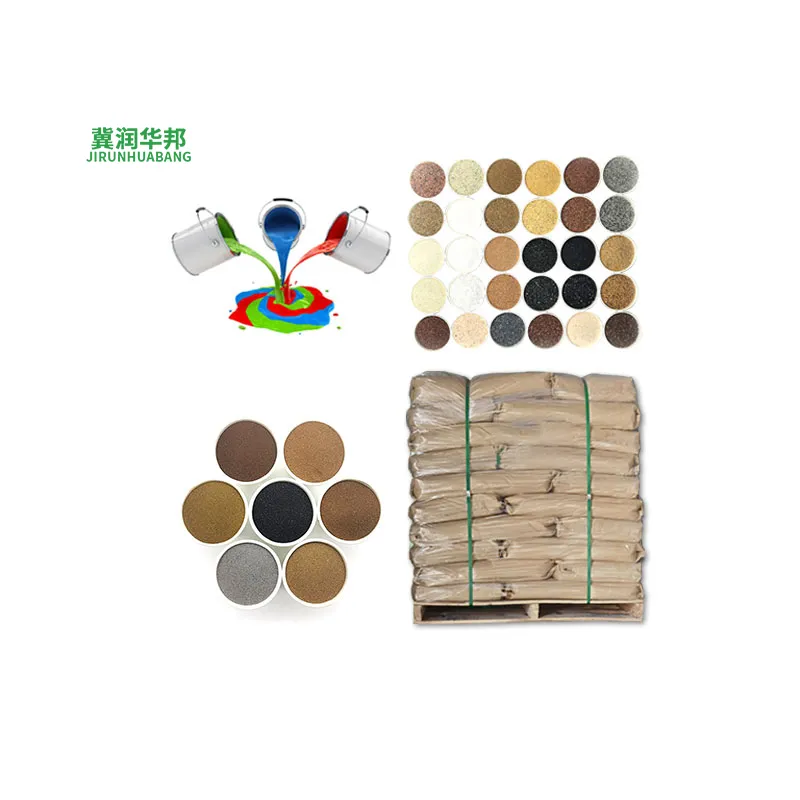
Technical teams inspect physical specimens to check grain distribution without tying up working capital in unverified stock. This evaluation phase mitigates aesthetic discrepancies in interior and exterior decoration, mosaics, and artistic installations.

Proper analysis of initial trial outcomes prevents color inconsistencies during large-scale deployment. Buyers verify how binding agents interact with the mineral aggregate before scaling quantities for public-space paving or landscape projects.
How Production Scheduling And Packaging Dictate Order Lead Times
Production Queue Management and Processing Timelines
Fulfillment speed is governed directly by active production scheduling rather than fixed calendar intervals. Manufacturing velocity responds continuously to queuing variables, raw material availability, and sorting demands across construction-grade and industrial operations.
Raw material screening requires precise separation phases to maintain uniform grain characteristics across batches. Processing lines calibrate grading equipment continuously to isolate specific particle sizes demanded by commercial buyers before final preparation stages commence.
Packaging Configurations and Fulfillment Velocity
Project volumes outside standard baseline parameters alter factory queue dynamics and extend preparation cycles. Protective container linings and moisture-resistant sealing materials demand specialized handling procedures that directly influence outgoing consignment schedules.
Procurement teams factor these processing variables into preliminary project timelines. Synchronization between material allocation stages and on-site contractor milestones prevents supply chain bottlenecks across multi-stage landscape and decorative installations.
Managing Batch Production Dependencies For Architectural Color Consistency
Surface Continuity and Aesthetic Consistency
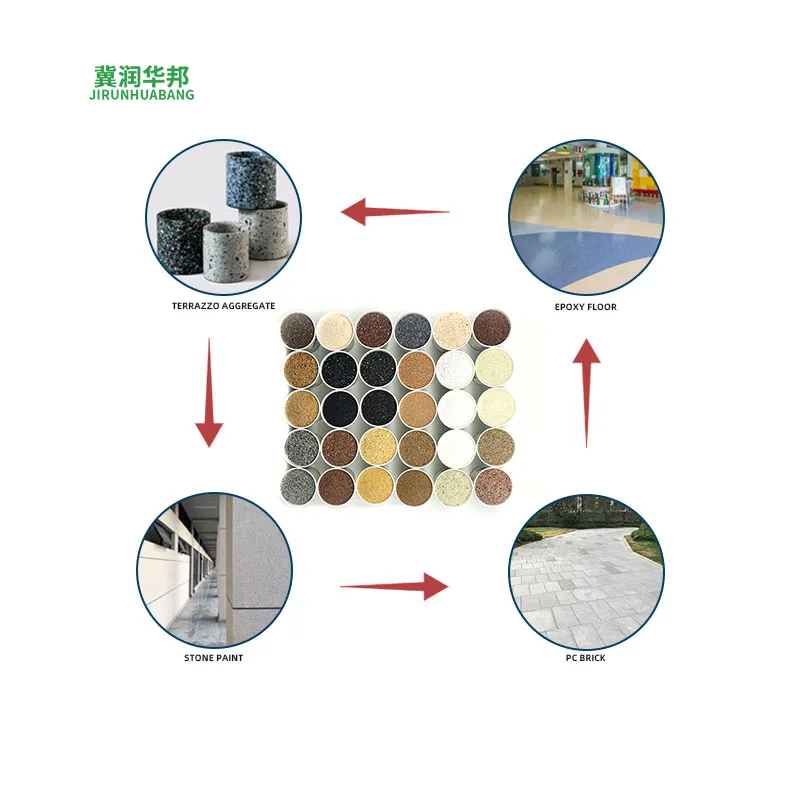
Color variations across extensive terrazzo flooring and architectural feature walls require careful control of mineral sources. Because extracted raw mineral grains exhibit natural hue fluctuations between different mining zones, mixing separate production lots on a single site generates visible shading inconsistencies.
Contractors managing large continuous surfaces must synchronize their procurement schedules to secure uniform material from matching extraction cycles.
Phased Delivery Protocols for Major Installations
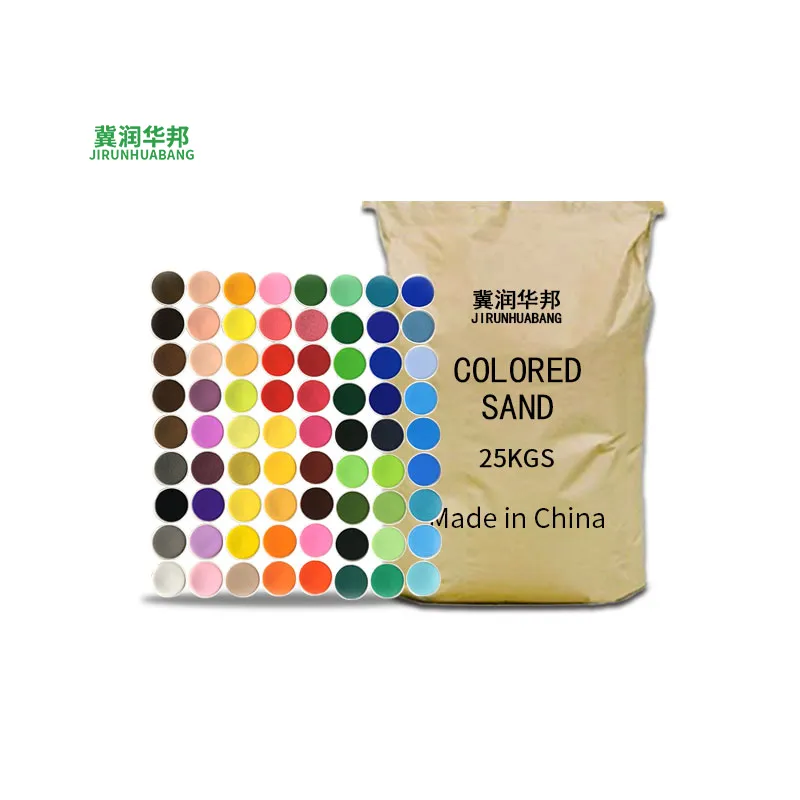
Project managers divide total volume requirements into dedicated installation phases to match site progress with factory output capacity. Consignments designated for public-space paving and landscape projects rely on predetermined volume allocations rather than ad-hoc top-up orders.
Retained physical specimens from initial shipments serve as baseline benchmarks for subsequent deliveries, ensuring that tone consistency remains stable throughout extended architectural installations. Technical teams verify these parameters against documentation available from the supplier prior to applying binding agents on site.
Logistical Planning And Container Payload Limits For Mineral Aggregates
Maritime Transport Weight Constraints And Container Payload Limits
Maritime transport of heavy mineral aggregates introduces severe structural loading demands on container floors. High-density materials exceed standard volumetric capacities long before space fills up, shifting the primary shipping constraint entirely to mass rather than volume.
Container payload limits dictate maximum tonnage per 20-foot or 40-foot box. Exceeding legal road and ocean carrier limits triggers mandatory offloading or exorbitant freight overages at the terminal gate.
Transit Packaging Integrity And Port Handling Protocols
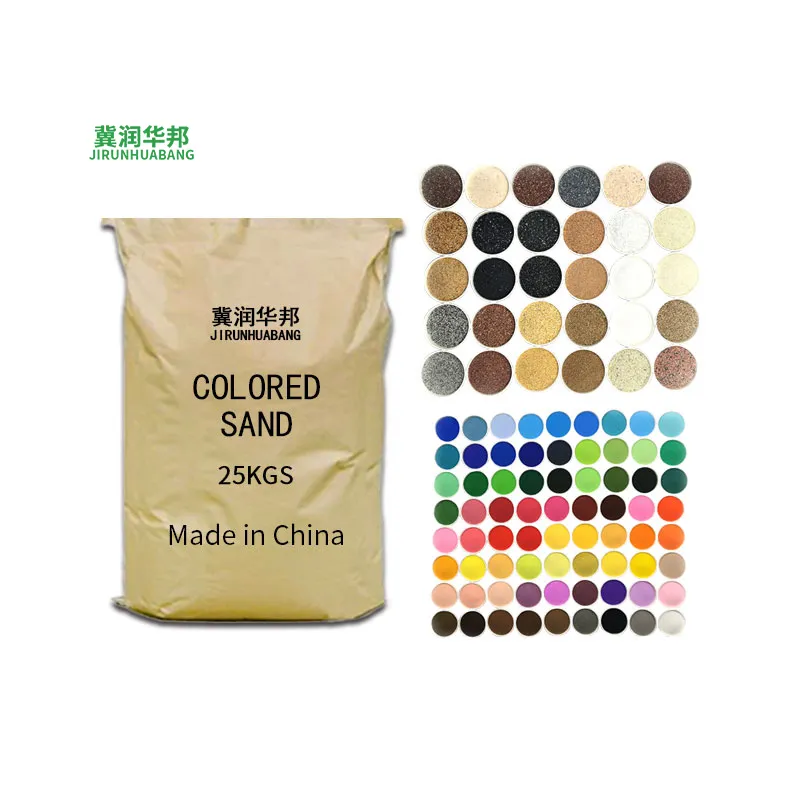
Transit packaging integrity protects high-density mineral sand from shifting, moisture ingress, and puncture failures during crane lifts and rough sea transits. Woven bags and heavy-duty liners withstand internal kinetic pressure only when palletized and shrink-wrapped according to precise weight distribution matrices.
Destination port regulations and local road haulage laws strictly enforce axle load limits for heavy container trucks leaving the port. Cargo distribution across the container floor prevents localized structural failures on vessel decks and transport chassis during multi-modal transit legs, while port handling protocols determine the exact sequencing of customs clearance and terminal release to protect final site delivery schedules.
Application Scope And Order Tier Matrix For Terrazzo And Mosaics
Sample testing runs differ fundamentally from large-scale commercial consignments in both handling procedures and resource allocation. Small-volume evaluations verify physical grain characteristics before capital allocation occurs, whereas commercial production schedules require continuous processing lines to fulfill multi-ton shipments.
| moq | application | industry |
|---|---|---|
| 1kg | Resin art, terrarium designs, mosaics | Industry Grade |
| Bulk Volume | Terrazzo flooring, feature walls, public-space paving | Construction grade |
Material utilization spans diverse architectural contexts ranging from interior decoration to large public-space paving. Project contractors align these application requirements with verified order tiers to ensure consistent material supply throughout site installation phases.
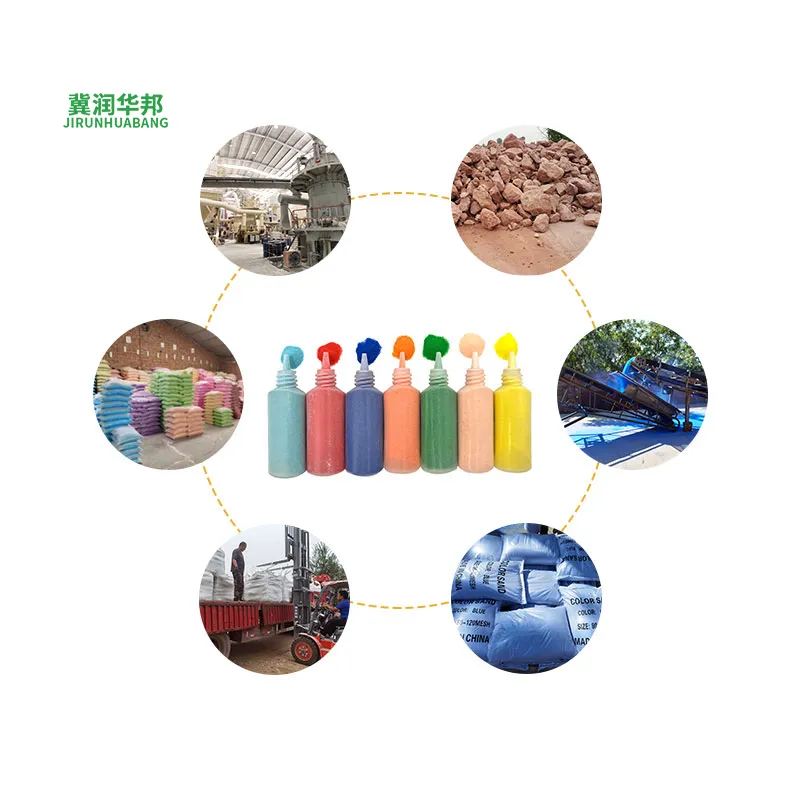
Procurement planning for commercial installations depends on accurate volume mapping across designated operational parameters. Technical documentation remains available from the supplier to support project evaluation and compliance verification.
Aligning Project Scale With Runhuabang Color Sand Procurement Parameters
Synthesizing Order Parameters Into Comprehensive Procurement Architecture
Building a cohesive procurement strategy requires synchronizing sample testing scales, production preparation cycles, and maritime transport constraints into a unified operational timeline. When project contractors establish site delivery schedules for architectural installations or landscape applications, inventory planning must integrate raw material sorting capacity with destination port handling realities. This multi-layered alignment prevents supply chain bottlenecks during critical project execution phases.
Balancing Material Supply With Site Installation Schedules
Project contractors align incoming mineral aggregate shipments directly with on-site installation milestones to avoid storage congestion and material degradation. Sample evaluation thresholds confirm baseline characteristics before large-scale consignments enter the manufacturing queue. Logistical buffers absorb potential transit variations without stalling active construction workflows.
Site installation timelines dictate when secondary decorative batches must be dispatched from sorting facilities. Coordinating these dispatches with regional distribution capabilities minimizes inventory holding costs.
Managing Operational Constraints Across Global Shipping Lanes
Container payload limits and transit packaging integrity dictate the maximum volume per shipment for heavy mineral aggregate orders. Procurement planners review these weight restrictions alongside active factory preparation intervals to establish realistic delivery dates. Successful execution depends on maintaining transparent communication regarding destination port requirements and active production scheduling parameters.
Frequently Asked Questions
The 1kg threshold serves exclusively as a baseline sample evaluation protocol for testing grain characteristics. Commercial buyers use this small volume to inspect physical specimens before scaling up to larger procurement tiers without tying up excessive working capital.
Fulfillment speed depends on active production scheduling, raw material screening capacity, and specific packaging configurations. Factory queue dynamics and sorting demands for construction grade and industry grade batches dictate total preparation time.
Commercial project contractors must coordinate production runs carefully to manage batch dependencies. Aligning raw material batches with architectural design requirements prevents aesthetic discrepancies across feature walls and large public spaces.
Transporting heavy mineral aggregates requires strict adherence to maritime weight thresholds and transit packaging integrity. Consignments must be balanced against container maximum load capacities to ensure safe arrival at destination ports without compromising protective linings.
ISO9001 documentation is available for this product to support quality management verification. Buyers can review these records during the initial evaluation phase to align supply chain requirements with quality control standards.
Conclusion
Contractors and facility managers finalize procurement schedules by reconciling specific site milestones with verified production capacities.
Successful project execution hinges on matching delivery timeframes directly to active manufacturing queues and destination port requirements. Operational teams weigh freight variables against transit limits before authorizing final contract terms.