
High Quality Cheap Colored Sand for Art and Home Decor Projects
Back to list
The Ultimate Guide to Finding High-Quality Cheap Colored Sand
Whether you are an artist creating intricate sand art, a landscaper designing a vibrant garden, or a business owner looking for bulk decorative fillers, finding cheap colored sand that doesn't sacrifice quality is essential. Colored sand adds a burst of creativity and professional finish to any project, but the market is flooded with options that vary in pigment stability and texture. In this guide, we will explore how to source the best value materials, understand the different types of colored sand, and ensure your creative visions come to life without breaking your budget. Choosing the right supplier is the first step toward achieving a stunning visual result.
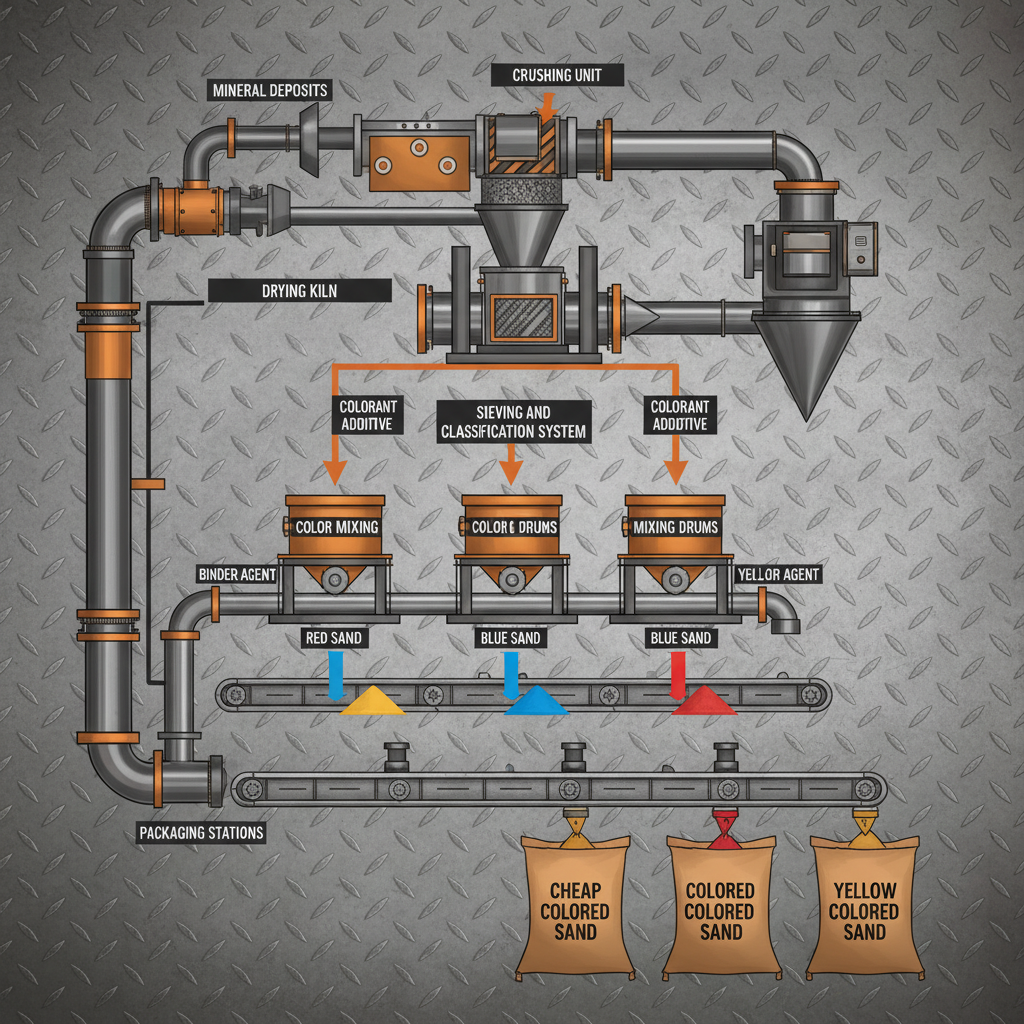
Why Quality Matters When Buying Cheap Colored Sand
Many buyers make the mistake of focusing solely on the price tag. However, when searching for cheap colored sand, it is vital to consider color fastness and grain consistency. Low-grade colored sand often uses dyes that bleed when exposed to moisture or fade quickly under UV light. High-quality options, even those priced competitively, utilize professional-grade pigments that maintain their vibrancy over time. Furthermore, consistent grain size ensures that when you layer the sand, the lines remain crisp and distinct, which is critical for sand art and architectural models.
Pro Tip: Always ask for a sample or check the "lightfastness" rating of the pigment to ensure your project doesn't fade after a few months of display.
Common Applications for Decorative Colored Sand
The versatility of cheap colored sand makes it a staple in various industries. In the interior design world, it is often used in terrariums and Zen gardens to create calming, structured environments. In education, it serves as a tactile learning tool for children to explore colors and shapes. Additionally, the event planning industry uses colored sand for "unity sand ceremonies" during weddings, symbolizing the joining of two lives. Because these applications often require large volumes, sourcing cost-effective bulk options becomes a priority for professionals.
Top Usage Scenarios:
• Wedding Ceremonies: Unity sand art for symbolic rituals.
• Home Decor: Layered vases and miniature landscapes.
• Aquascaping: Adding vibrant aesthetics to fish tanks.
• Art Therapy: Sensory play and creative expression.
Comparing Cheap Colored Sand Types: Natural vs. Synthetic
When shopping for cheap colored sand, you will likely encounter two main categories: naturally colored minerals and dyed synthetic sand. Natural sands offer an organic look and are often more durable in outdoor settings. On the other hand, dyed sands provide a much wider spectrum of neon and pastel colors that are impossible to find in nature. For those on a budget, dyed quartz sand often provides the best balance between cost and visual impact.
How to Source the Best Value Cheap Colored Sand
To secure the lowest prices without sacrificing quality, purchasing in bulk directly from manufacturers is the most effective strategy. Many retail stores add significant markups to small bags of sand. By sourcing cheap colored sand at the wholesale level, you can reduce your cost per kilogram drastically. Additionally, look for suppliers who offer "industrial grade" decorative sand, as these are produced in higher volumes and are typically more affordable. Always verify the shipping costs, as sand is heavy and can often outweigh the savings if the supplier is too far away.
Technical Specifications of Commercial Colored Sand
Understanding the technical side of cheap colored sand helps in choosing the right product for your specific project. Whether you need a coarse texture for drainage or a fine powder for detailed art, the mesh size is the key metric. Most decorative sands fall within the 0.1mm to 0.5mm range. Below is a standard specification table for high-value decorative sand often used in commercial projects.
Maintaining Your Sand Art Projects
Once you have acquired your cheap colored sand and completed your artwork, maintenance is key to longevity. To prevent the colors from shifting or mixing over time, consider using a clear fixing spray or resin topper for permanent displays. If the sand is used in a garden, ensure that it is layered over a weed barrier to prevent organic debris from muddying the vibrant colors. Proper storage of leftover sand in airtight, cool, and dry containers will prevent clumping and maintain the flowability of the grains.
Conclusion: Balancing Cost and Quality
Finding cheap colored sand doesn't mean you have to settle for inferior materials. By focusing on the right grain size, pigment quality, and sourcing directly from wholesalers, you can achieve professional-grade results on a budget. Whether for a one-time event or a long-term artistic venture, the right sand makes all the difference. Invest your time in choosing a reliable supplier to ensure your project remains vibrant and breathtaking for years to come.
Frequently Asked Questions (FAQs)
Is cheap colored sand safe for aquariums?
Not all colored sand is aquarium-safe. When looking for budget options, you must ensure the sand is "non-toxic" and "pH neutral." Some cheap dyes can leach chemicals into the water, which can be fatal to fish and plants. Always check the product specifications for food-grade or aquarium-certified pigments. If you are unsure, it is safer to use naturally colored sands or products specifically marketed for aquatic use to maintain a healthy ecosystem.
How can I stop colored sand from mixing?
The secret to crisp layers in sand art is the "pour angle." Instead of pouring the sand straight down, use a funnel or a rolled piece of paper to guide the sand against the glass wall of the container. This minimizes the impact and prevents the colors from splashing into each other. For a permanent fix, you can use a specialized sand-binding adhesive or a clear acrylic spray on the surface once the design is complete, which locks the grains in place.
Where can I find the most affordable bulk colored sand?
The most affordable way to source cheap colored sand is to bypass retail middlemen and contact manufacturers directly. Wholesale suppliers offer significantly lower prices for orders over 25kg or 100kg. By purchasing in bulk, you not only reduce the unit cost but also ensure consistency in color batches across your entire project. Websites specializing in industrial minerals and decorative aggregates are the best places to start your search.
Does the color of the sand fade in the sun?
It depends on the pigment used. Cheaply dyed sands using organic dyes will fade quickly when exposed to direct sunlight. However, professional-grade colored sands use inorganic pigments or resin-coated minerals that are highly UV-resistant. If your project is for outdoor use, specifically request "UV-stable" or "lightfast" sand. This ensures that your vibrant blues and reds don't turn into pale greys after a few weeks of sun exposure.