
Comprehensive Guide to Calcium Carbonate Manufacturing Processes and Applications
Back to list
Calcium Carbonate Manufacturing: A Comprehensive Guide
Calcium carbonate (CaCO3) is a widely used industrial mineral, essential across numerous sectors including construction, paper production, plastics, paints, and pharmaceuticals. Its versatility stems from its availability, cost-effectiveness, and unique properties. This article provides an in-depth exploration of calcium carbonate manufacturing processes, types, applications, and future trends. Understanding the intricacies of its production is crucial for businesses relying on this vital raw material. We’ll cover everything from sourcing raw materials to final product specifications.
Raw Materials and Sourcing for Calcium Carbonate
The primary raw material for calcium carbonate production is limestone, a sedimentary rock composed primarily of calcium carbonate crystals. Other sources include chalk, marble, and aragonite. The quality of the limestone directly impacts the quality of the final calcium carbonate product. Key considerations when sourcing raw materials include purity, particle size, and mineralogical composition. Huabang Mica sources high-quality limestone from carefully selected quarries to ensure consistent product performance.
The Manufacturing Processes: Ground Calcium Carbonate (GCC) vs. Precipitated Calcium Carbonate (PCC)
There are two main methods for producing calcium carbonate: Ground Calcium Carbonate (GCC) and Precipitated Calcium Carbonate (PCC). GCC is produced by mechanically grinding limestone. PCC, on the other hand, is manufactured through a chemical precipitation process. The choice between GCC and PCC depends on the desired application and specific product requirements. GCC is generally more cost-effective, while PCC offers greater control over particle size, shape, and purity. Both methods are employed by Huabang Mica to cater to a diverse range of customer needs.
Key Difference: GCC involves mechanical processing of naturally occurring limestone, while PCC uses a chemical reaction to create the calcium carbonate.
A Detailed Look at GCC Manufacturing
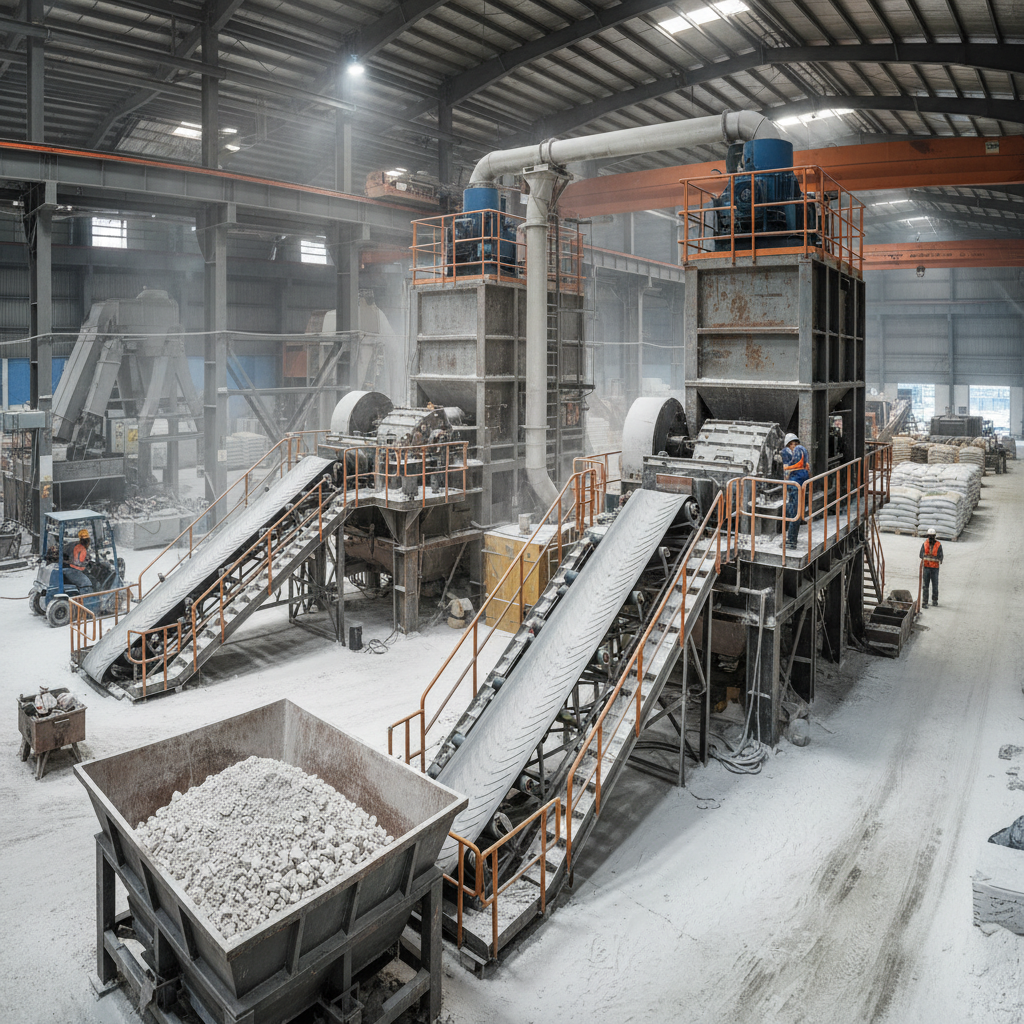
The GCC manufacturing process typically involves several stages: crushing, grinding, classification, and sometimes surface treatment. Limestone is initially crushed into smaller pieces before being fed into grinding mills – ball mills, rod mills, or vertical roller mills are commonly used. The ground material is then classified using screens or air separators to achieve the desired particle size distribution. Surface treatment, such as coating with stearic acid, can improve dispersibility and compatibility with polymers.
GCC Manufacturing Stages:
• Crushing: Reducing large limestone chunks into manageable sizes.
• Grinding: Further reducing particle size using various mill types.
• Classification: Separating particles based on size.
• Surface Treatment (Optional): Enhancing properties for specific applications.
GCC vs. PCC: A Comparative Analysis
Understanding the key differences between GCC and PCC is vital for selecting the appropriate product. Here’s a comparison:
Applications of Calcium Carbonate Across Industries
Calcium carbonate's broad applicability makes it an indispensable component in countless products. In the paper industry, it serves as a filler, enhancing brightness and opacity. Within the plastics sector, it acts as a reinforcing agent, lowering costs and improving impact resistance. The construction industry utilizes it in cement, mortar, and asphalt. Paints and coatings benefit from its whiteness and opacity. Even the pharmaceutical and food industries leverage its properties as an antacid and calcium supplement. Huabang Mica provides tailored calcium carbonate solutions to meet the specific demands of these diverse applications.
Product Specifications & Quality Control
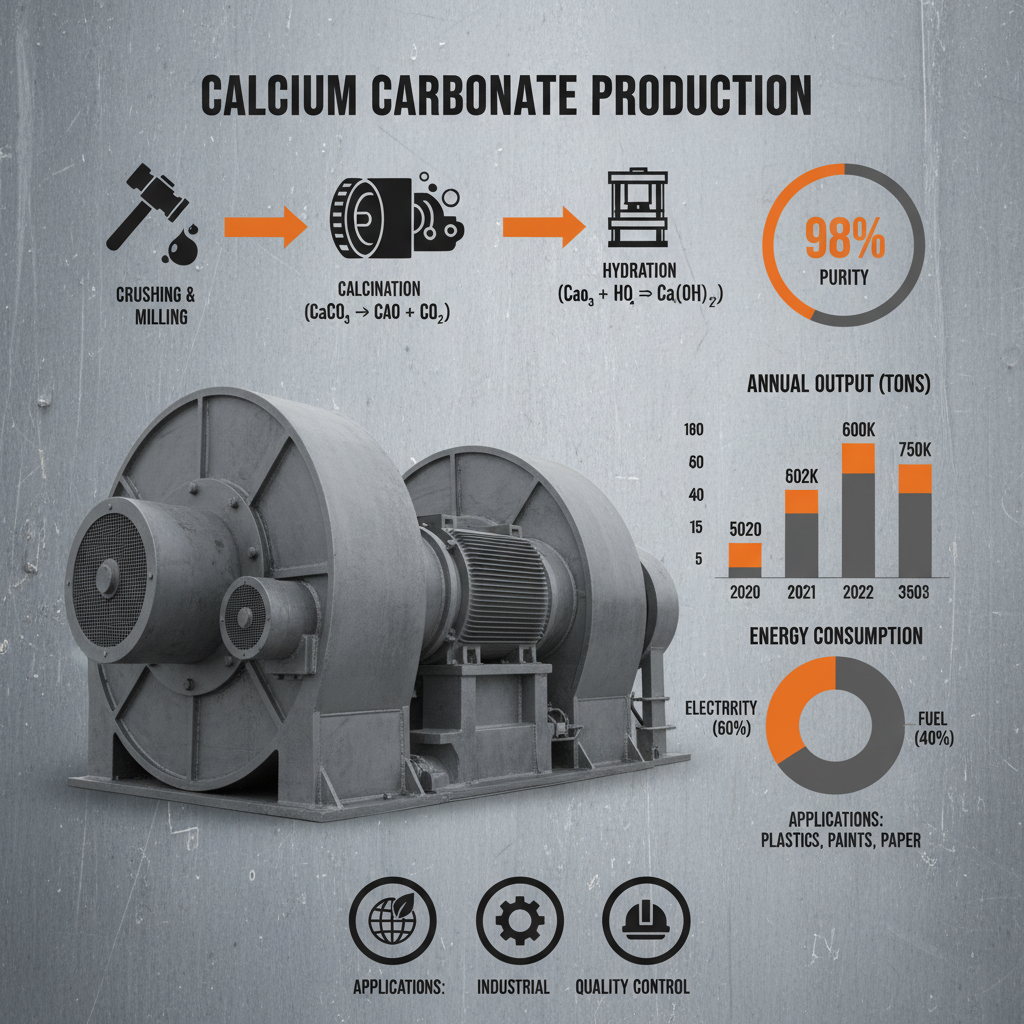
Maintaining consistent product quality is paramount. Huabang Mica implements rigorous quality control measures throughout the manufacturing process, from raw material inspection to final product analysis. Key specifications include particle size distribution, whiteness, moisture content, and purity levels. Our calcium carbonate products adhere to international standards, guaranteeing reliable performance. Here’s a table detailing typical product specifications:
Conclusion: Partnering with Huabang Mica for Reliable Calcium Carbonate Supply
Choosing the right calcium carbonate supplier is crucial for ensuring product quality and supply chain reliability. Huabang Mica is committed to providing high-quality calcium carbonate products, tailored solutions, and exceptional customer service. Contact us today to discuss your specific needs and discover how we can contribute to your success.
Frequently Asked Questions (FAQs)
What are the main factors influencing the price of calcium carbonate?
Several factors contribute to calcium carbonate pricing, including the raw material cost (limestone), transportation expenses, manufacturing process (GCC vs. PCC), particle size requirements, purity levels, and order volume. PCC generally commands a higher price due to its more complex production process and superior properties. Demand and supply dynamics also play a significant role. Huabang Mica strives to offer competitive pricing without compromising on quality. We work closely with our customers to understand their budget and provide cost-effective solutions.
What industries benefit most from using PCC instead of GCC?
Industries requiring high purity, precise particle size control, and specific morphology benefit most from PCC. These include pharmaceutical applications (as an excipient), specialized paper coatings, advanced plastics formulations, and high-performance paints and coatings. PCC's ability to be tailored to precise specifications makes it ideal for applications where consistent performance and product quality are critical.
How is calcium carbonate used in the environmental sector?
Calcium carbonate plays a role in several environmental applications. It’s used in flue gas desulfurization (FGD) to remove sulfur dioxide from power plant emissions, helping to reduce acid rain. It's also employed in wastewater treatment for pH adjustment and heavy metal precipitation. Additionally, it can be used as a soil amendment to neutralize acidity and improve crop yields. Its environmental benefits are increasingly driving demand.
Does Huabang Mica offer custom calcium carbonate formulations?
Yes, Huabang Mica specializes in developing custom calcium carbonate formulations to meet the unique requirements of our customers. We can adjust particle size distribution, surface treatment, and purity levels to optimize performance in specific applications. Our experienced team works closely with clients to understand their needs and deliver tailored solutions.