
Choosing the Right Supplier Bentonite for Optimal Industry Performance
Back to list
Choosing the Right Supplier Bentonite: A Comprehensive Guide
Bentonite clay is a versatile material with applications spanning numerous industries, from drilling and foundry to animal feed and cosmetics. Sourcing high-quality bentonite is crucial for optimal performance in these applications. This article will delve into the key considerations when selecting a bentonite supplier, focusing on quality control, product types, logistical capabilities, and cost-effectiveness. We'll also explore the importance of establishing a strong relationship with your supplier for consistent supply and technical support.

Understanding Bentonite Types and Applications
Bentonite isn’t a single substance; it comes in several types, primarily sodium bentonite and calcium bentonite. Sodium bentonite possesses superior swelling and sealing properties, making it ideal for applications like drilling mud, waterproofing, and foundry binders. Calcium bentonite, while having lower swelling capacity, is often used in animal feed, clarifying agents, and as a binder. A reputable bentonite supplier will offer a range of these types, tailored to specific industry needs. Understanding the precise requirements of your application is the first step in selecting the appropriate bentonite grade and, consequently, the right supplier.
Key Consideration: Identifying the precise bentonite type required for your specific application is paramount. This ensures optimal performance and cost-effectiveness.
Key Factors to Consider When Selecting a Supplier Bentonite
Choosing the right supplier bentonite goes beyond just the price per ton. Several crucial factors must be evaluated. These include the supplier’s quality control processes, their ability to consistently meet your volume requirements, their logistical capabilities (including shipping and handling), and their commitment to customer service. A strong supplier will provide detailed product specifications, certificates of analysis (COA) for each batch, and readily available technical support to address any challenges you may encounter.
Essential Supplier Attributes:
• Robust quality control systems.
• Consistent supply capacity.
• Efficient logistics and shipping options.
• Dedicated customer support and technical expertise.
Quality Control and Certifications: Ensuring Product Consistency
Rigorous quality control is paramount when sourcing bentonite. A reliable bentonite supplier will employ comprehensive testing procedures throughout the production process, from raw material sourcing to final product packaging. This includes tests for purity, swelling index, viscosity, moisture content, and particle size distribution. Look for suppliers with ISO 9001 certification, demonstrating their commitment to quality management systems. COAs for each batch should be readily available, providing detailed analytical results.
Logistics and Supply Chain Reliability with your Supplier Bentonite
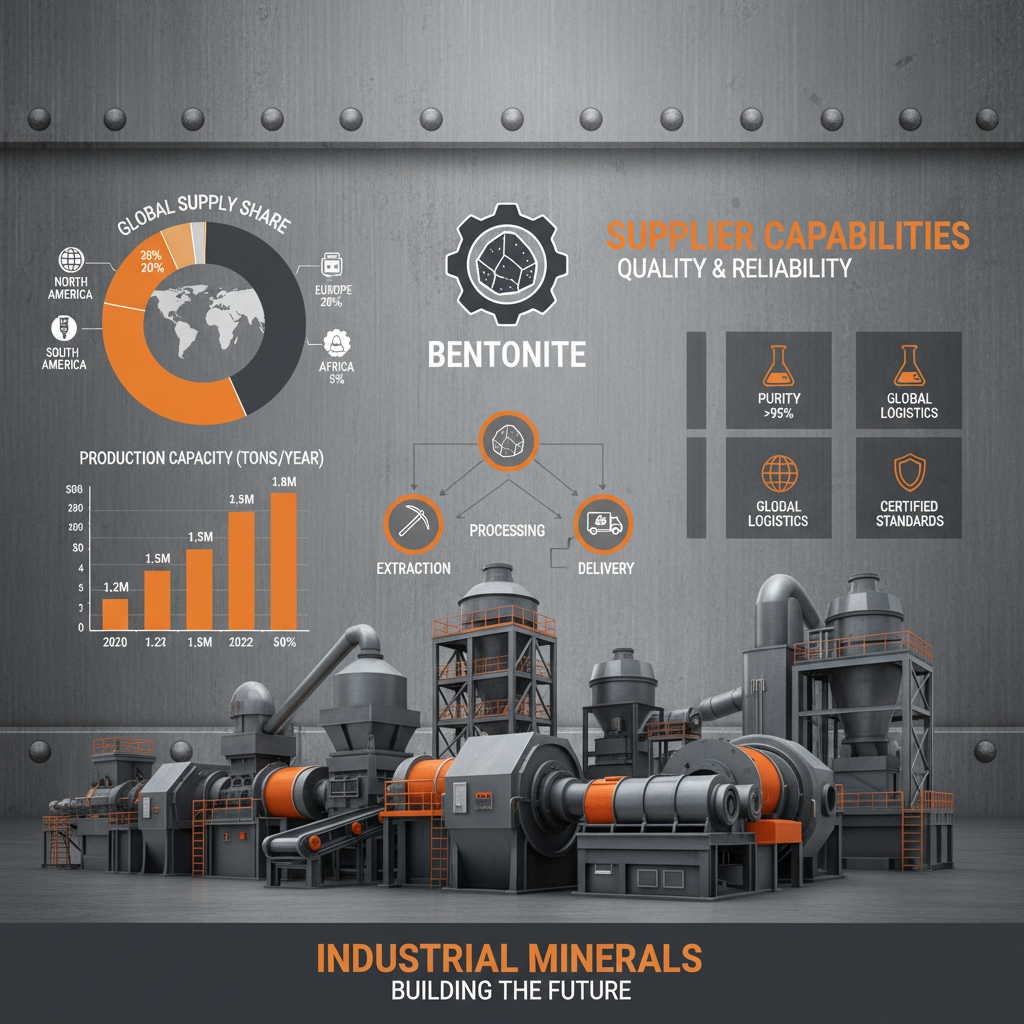
A consistent supply of bentonite is vital for uninterrupted operations. Evaluate the supplier’s logistical capabilities. Do they have adequate inventory levels? What are their shipping options and lead times? Can they handle large volumes efficiently? Consider their proximity to your facility to minimize transportation costs and delivery times. A supplier with a well-established supply chain network can ensure timely delivery, even during peak demand or unforeseen disruptions.
Cost Considerations and Value Proposition
While price is undoubtedly a factor, focus on the overall value proposition. A slightly higher price from a reputable supplier bentonite offering consistent quality, reliable logistics, and excellent technical support can often translate to lower total costs in the long run. Consider potential cost savings from reduced waste, improved process efficiency, and fewer production disruptions. Request detailed quotes from multiple suppliers and compare not just the price per ton, but also the associated costs of shipping, handling, and potential quality issues.
Conclusion: Partnering for Success
Selecting the right bentonite supplier is a critical decision that impacts product quality, operational efficiency, and overall profitability. By carefully considering the factors outlined in this guide – quality control, product type, logistics, and cost – you can establish a strong partnership with a supplier who meets your specific needs and supports your long-term success.
Frequently Asked Questions (FAQs)
What is the typical lead time for bentonite orders?
Lead times can vary significantly depending on the supplier's inventory levels, your order volume, and the shipping distance. Generally, for standard bentonite grades in stock, lead times range from 3-7 business days. However, for custom blends or large orders, lead times may extend to 2-4 weeks. It's essential to discuss lead time expectations with potential suppliers upfront to ensure they align with your production schedule. A responsive supplier will provide accurate lead time estimates and keep you informed of any potential delays. Huabang Mica strives to maintain consistently quick lead times thanks to our extensive warehousing capacity.
Can the supplier provide custom bentonite blends?
Many reputable bentonite suppliers offer custom blending services to meet specific application requirements. This involves combining different types of bentonite, additives, or other materials to achieve desired properties like viscosity, swelling capacity, or filtration rate. Custom blending requires precise control over the mixing process and thorough quality testing to ensure consistency. Discuss your specific needs with the supplier to determine if they have the capabilities and expertise to create a custom blend that meets your specifications.
What packaging options are available for bentonite?
Bentonite is typically packaged in various formats, including 25kg bags, 50kg bags, 1-ton big bags (FIBCs), and bulk shipments. The appropriate packaging option depends on your handling capabilities, storage space, and transportation logistics. Big bags are often preferred for larger volume users, while smaller bags are more convenient for manual handling. Ensure the supplier uses durable, moisture-resistant packaging to prevent contamination and maintain product quality. Huabang Mica offers a variety of packaging options tailored to our customers’ needs.
What should I look for in a supplier's commitment to sustainability?
Sustainability is becoming increasingly important. Look for suppliers committed to responsible mining practices, minimizing environmental impact, and promoting ethical sourcing. This may include practices like land reclamation, water conservation, and reduced carbon emissions. Asking about their environmental policies and certifications can help you assess their commitment to sustainability. A truly responsible supplier will prioritize environmental stewardship throughout their operations.