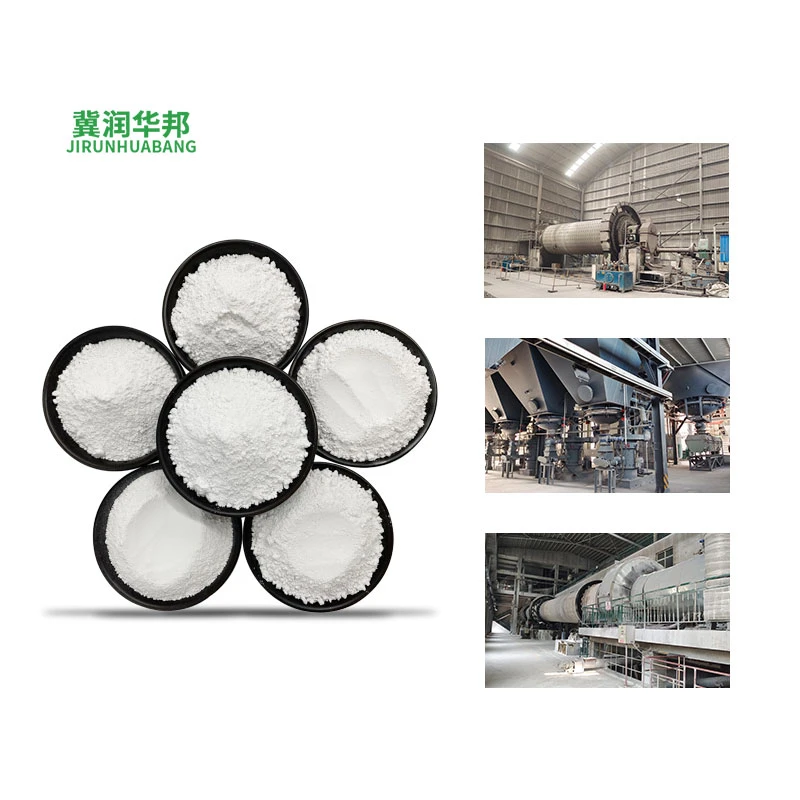
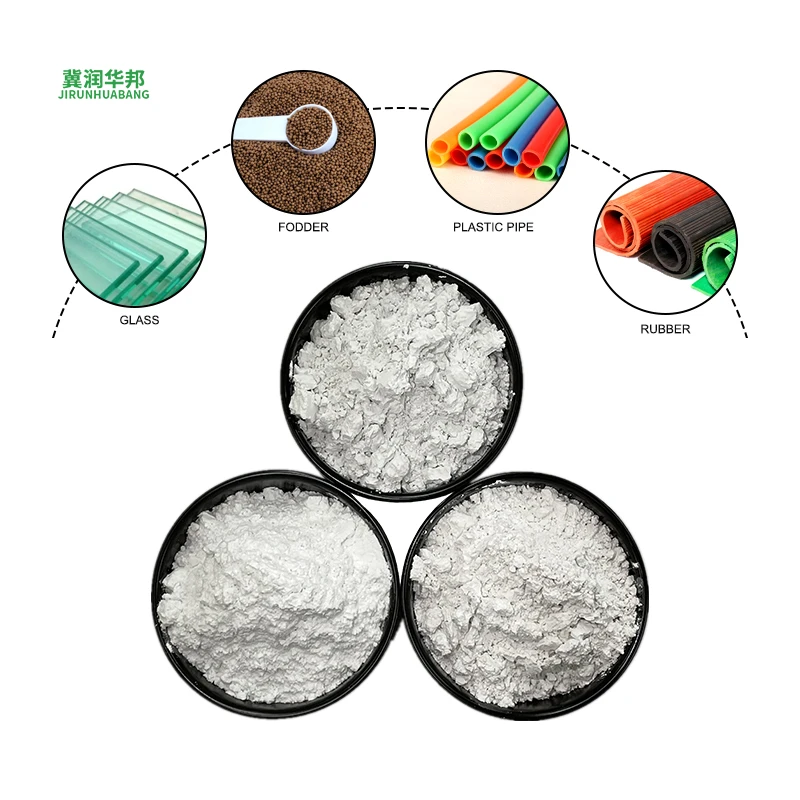
Industrial Mineral Solutions in Afghanistan: Focus on diatomaceous earth is silica

High-performance non-metallic mineral products tailored for Afghanistan's construction, skincare, and industrial filtration sectors.

The Landscape of Non-Metallic Minerals in Afghanistan

Analyzing the intersection of geological wealth and industrial processing needs.

Afghanistan possesses vast untapped mineral deposits, yet the transition from raw extraction to high-value manufacturing remains a challenge. In the cosmetics sector, there is a growing demand for kaolin clay for skin whitening as local artisans and small-scale laboratories seek stable, pharmaceutical-grade inputs to replace inconsistent raw ores.

The construction industry in Afghanistan heavily relies on reinforced materials. Understanding the density of wollastonite is critical for local engineers aiming to improve the thermal stability and mechanical strength of building materials in regions with extreme temperature fluctuations between the Hindu Kush mountains and the arid plains.

Furthermore, the agricultural and water treatment sectors are beginning to recognize that diatomaceous earth is made from fossilized remains of diatoms, providing a natural porosity that is essential for filtration. This is increasingly vital for purifying groundwater in rural Afghan provinces.
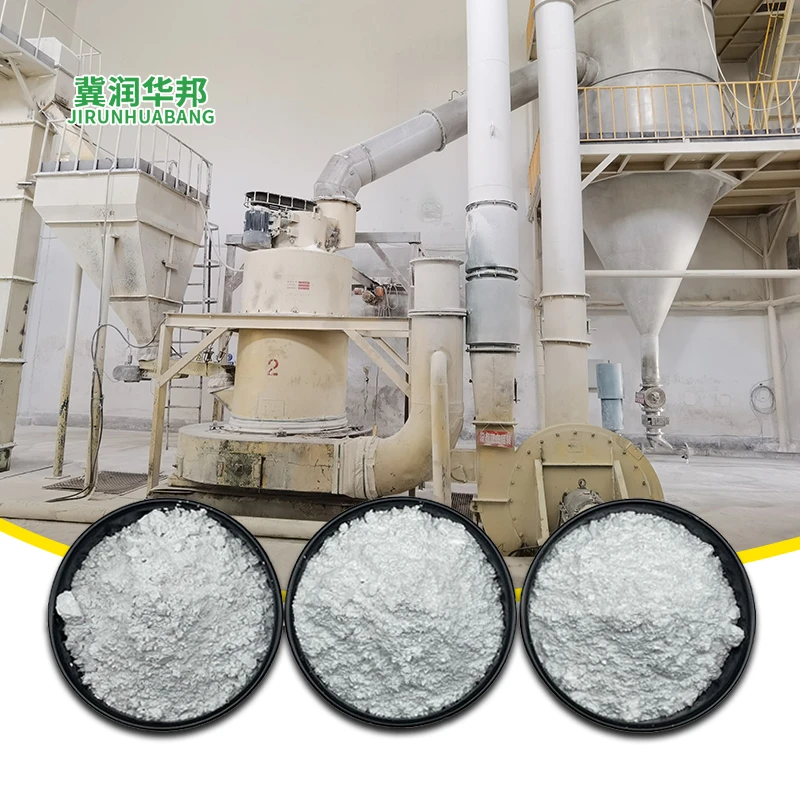
Evolution and Technical Trajectory of Mineral Processing

From traditional mining to precision engineered mineral products.

Market Development History

Prior to 2010, the mineral sector in Afghanistan was dominated by primitive extraction methods with minimal refining. Most materials were exported as raw ores, leaving the domestic market dependent on imported processed minerals for skincare and construction.

Between 2010 and 2020, the introduction of basic grinding and centrifugal separation technologies allowed for the initial refinement of kaolin clay in skincare applications, moving from coarse powders to micronized grades suitable for topical creams.

Since 2021, there has been a strategic shift toward "functional minerals." The focus has moved from mere availability to specific chemical purity, ensuring that materials meet international standards for industrial catalysts and high-end ceramics.

Future Development Trends

Precision Micronization

Future trends indicate a shift toward nano-scale processing to enhance the bioavailability of minerals in cosmetic formulations.

Eco-Friendly Extraction

Moving away from chemical leaching toward mechanical separation to preserve the natural integrity of silica-based minerals.

Composite Material Integration

The integration of wollastonite and graphite to create hybrid heat-resistant composites for the burgeoning local energy sector.

Industry Trends and Strategic Outlook

Projecting the next 5 years of mineral manufacturing in the region.

Advanced Purification
Implementation of magnetic separation to ensure ultra-pure mineral grades for sensitive electronics and healthcare.
Sustainable Mining
Adopting closed-loop water systems in mineral washing to protect Afghanistan's scarce water resources.
Digital Supply Chain
Using blockchain for mineral provenance tracking to ensure E-E-A-T compliance for global export markets.
Customized Grading
Developing bespoke particle size distributions to match specific regional construction requirements.

Industry Outlook

Google search trends for industrial mineral additives in Central Asia indicate a rising interest in sustainable building materials. We predict that the demand for wollastonite will surge as Afghanistan invests in climate-resilient infrastructure.

Simultaneously, the skincare market is shifting toward "natural purity," driving the demand for high-grade kaolin. Companies that can guarantee consistency and purity will dominate the local B2B supply chain.

Localized Application Scenarios in Afghanistan

Real-world implementations of non-metallic minerals across diverse sectors.

01. Cosmetic Manufacturing in Kabul

Local skincare brands are integrating kaolin clay for skin whitening and detoxifying masks to serve the urban consumer market seeking natural brightening agents.

02. Seismic-Resistant Construction

Using the optimized density of wollastonite in cement composites to create earthquake-resistant housing in high-risk mountainous zones.

03. Agricultural Water Filtration

Implementing systems where diatomaceous earth is silica-based filtration to remove contaminants from irrigation water in the Helmand Valley.

04. Industrial Refractory Linings

Utilizing graphite and specialized non-metallic minerals to line high-temperature furnaces in Afghan metal-smelting plants for increased longevity.

05. Specialized Paint Additives

Applying micronized kaolin to create heat-reflective coatings for buildings in Herat, reducing indoor temperatures during extreme summer peaks.

Brand Story

Global Development Journey of Hebei Runhuabang New Material Technology Co., Ltd.

Founding Vision

Established with the mission to bridge the gap between raw mineral extraction and high-precision industrial application.

Technical Breakthroughs

Developed proprietary micronization techniques that allow for unprecedented purity in kaolin and wollastonite products.

Global Expansion

Expanded our logistics network to Central Asia, ensuring timely delivery of critical materials to Afghanistan.

Quality Standardization

Achieved international certifications to ensure every batch of mineral powder meets strict E-E-A-T industrial principles.

Future Commitment

Dedicated to providing Afghanistan with the materials needed for a sustainable industrial revolution.

Frequently Asked Questions in Afghanistan

Expert answers to technical queries regarding non-metallic minerals.

How does kaolin clay in skincare benefit urban skin in Kabul?

It acts as a powerful absorbent, removing pollutants and excess sebum caused by urban smog, while providing a gentle exfoliating effect.

Why is the density of wollastonite important for Afghan construction?

Correct density ensures optimal reinforcement in concrete, reducing shrinkage and increasing the structural integrity of buildings in seismic zones.

Is it true that diatomaceous earth is silica based?

Yes, diatomaceous earth is silica in an amorphous form, which gives it the unique ability to filter microscopic particles.

What is the best grade of kaolin clay for skin whitening?

Ultra-fine, bleached kaolin with low heavy-metal content is recommended to ensure safety and maximum efficacy in brightening formulations.

Exactly how is diatomaceous earth is made from a geological perspective?

It is formed through the accumulation of silica-rich shells (frustules) from microscopic algae called diatoms over millions of years.

Can these minerals be shipped safely to remote provinces in Afghanistan?

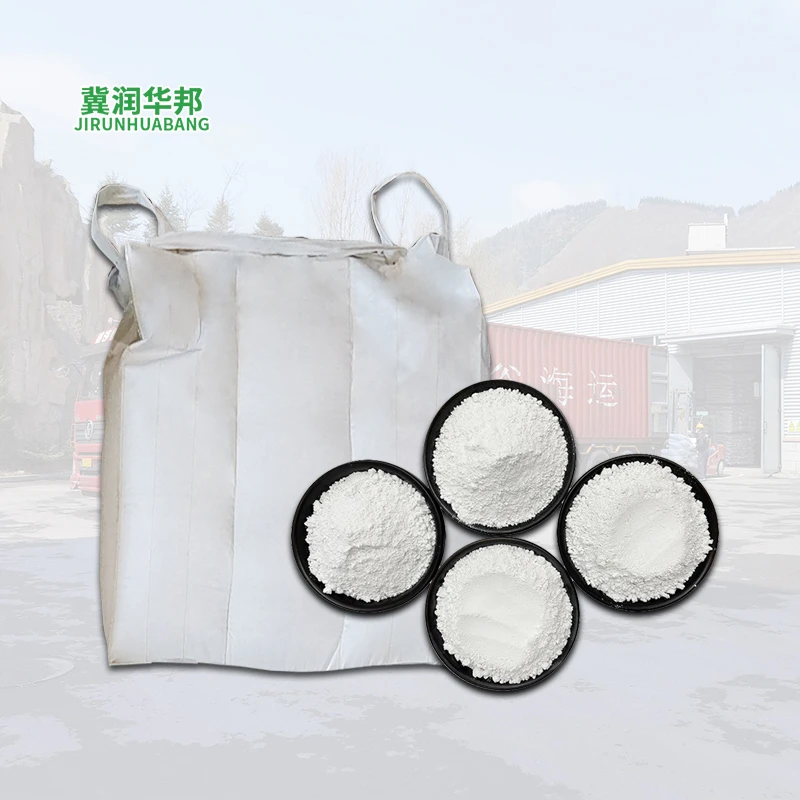
Yes, we use moisture-proof, industrial-grade packaging designed for rugged transport across diverse terrains to ensure product purity.

Get Expert Technical Support

Our specialists are ready to help you optimize your mineral processing in Afghanistan.

Contact Us Now
About Runhuabang
Hebei Runhuabang New Material Technology Co., Ltd. is a comprehensive enterprise integrating production, processing and sales
Get In Touch
0811, Building H2, Poly Plaza (North District), 95 Shifang Road, Chang 'an District, Shijiazhuang, Hebei
Subscribe Our Newsletter
* Trust me, we will not spam your email
xeyx.webp3
xeyx.webp1
xeyx.webp2

If you are interested in our products, you can choose to leave your information here, and we will be in touch with you shortly.