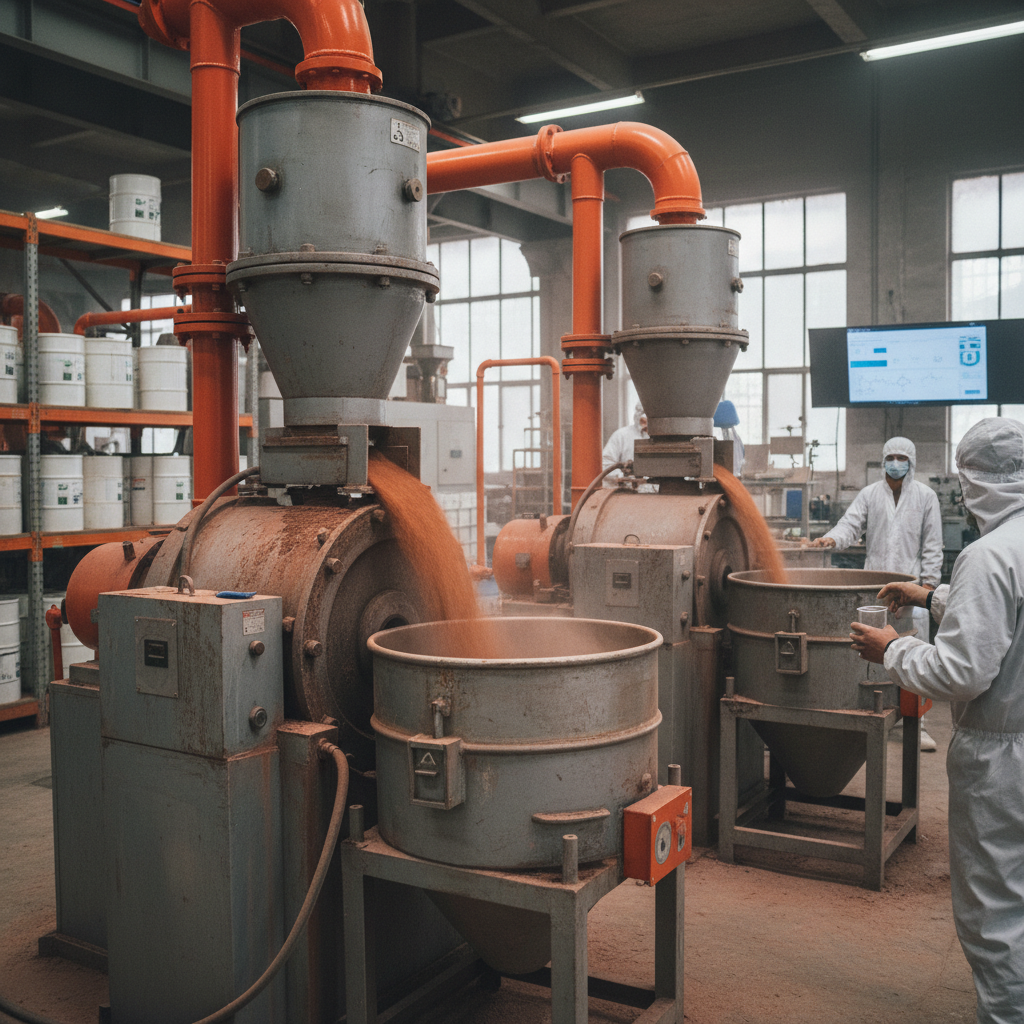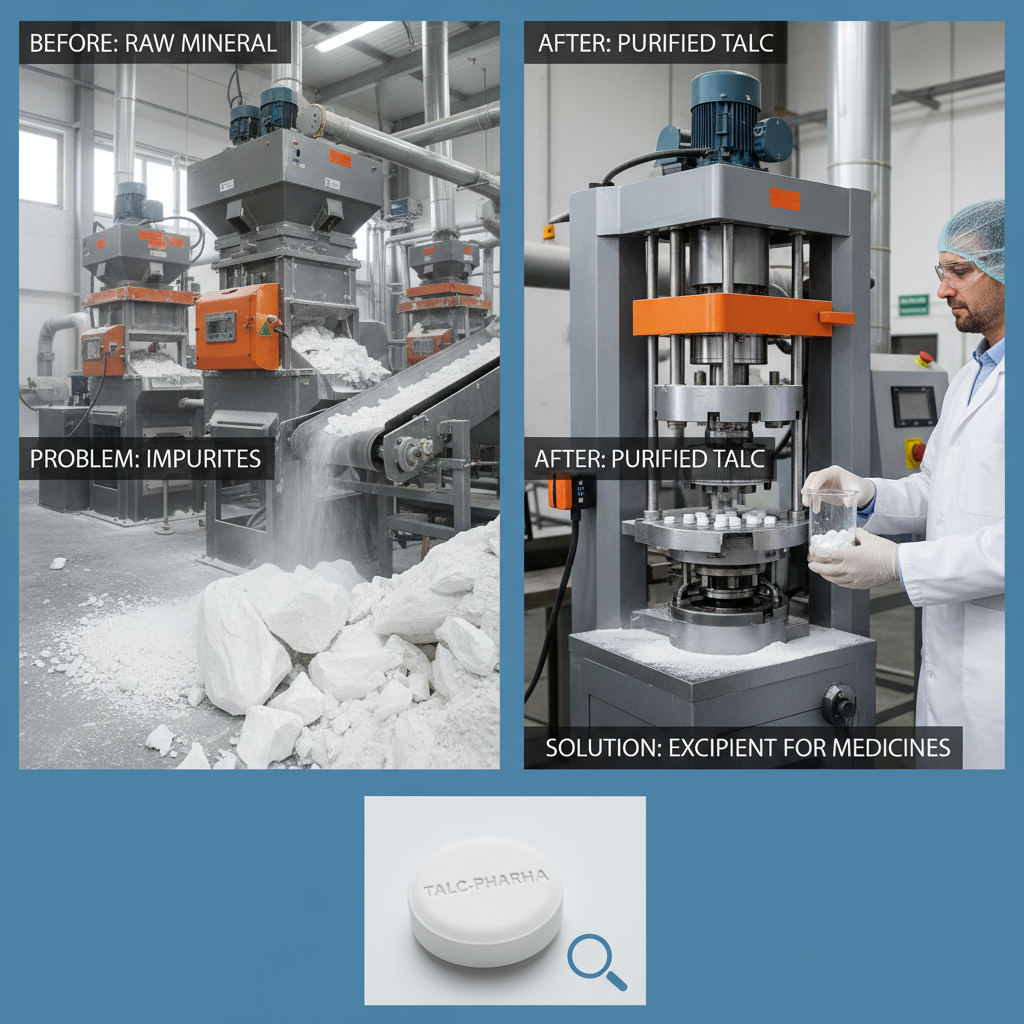
A tourmaline supplier specializes in the extraction, processing, and distribution of tourmaline, a complex boron silicate mineral known for its unique pyroelectric and piezoelectric properties. These suppliers provide various grades of the mineral, from industrial-grade powders used in filtration and cosmetics to high-purity crystals for specialized electronic and therapeutic applications.
For procurement managers in the non-metallic mineral sector, selecting the right supplier is critical because tourmaline's effectiveness depends heavily on its chemical purity and particle size distribution. Inconsistencies in supply can lead to failures in product adhesion in coatings or reduced efficiency in water treatment systems, creating significant operational risks.
This guide provides a comprehensive analysis of how to evaluate a tourmaline supplier, the technical specifications that matter most, and the industrial applications that drive current market demand, helping you make an informed sourcing decision based on technical merit and supply chain stability.

1Understanding Tourmaline Grade and Sourcing

When engaging with a tourmaline supplier, it is essential to distinguish between gem-quality crystals and industrial-grade minerals. Industrial tourmaline is typically processed into powders or granules to maximize its surface area for chemical reactions or physical filtration. The sourcing origin significantly impacts the mineral's trace element composition, which in turn affects its electrical polarity.
Suppliers often categorize their products by purity levels, ranging from basic industrial grade to high-purity specialized grades. Higher purity levels are generally required for applications in precision electronics or high-end skincare products where contaminants could cause adverse reactions or technical failure.
The supply chain for these minerals involves complex mining and refining processes. A reliable supplier should be able to demonstrate a stable source of raw materials to avoid the price volatility and quantity shortages common in the non-metallic mineral industry.
2Core Technical Properties of Industrial Tourmaline
The primary value of tourmaline lies in its pyroelectricity—the ability to generate an electrical charge when heated—and its piezoelectricity. For industrial users, these properties are leveraged to create an alkaline environment or to facilitate the separation of particles in fluid dynamics. The effectiveness of these properties is directly tied to the crystal structure and purity provided by the supplier.
Beyond electrical properties, the mineral's hardness and chemical stability make it an excellent additive for wear-resistant materials. Suppliers typically offer various mesh sizes to accommodate different application needs, from micron-sized powders to larger aggregate grains.
Chemical stability across different pH levels is another key metric. Industrial-grade tourmaline must remain inert in the presence of various solvents and binders to ensure the structural integrity of the final product, whether it is a food-grade coating or a construction material.
3Primary Industrial Applications and Use Cases
Tourmaline is widely utilized in water treatment and food-grade coatings. In water purification, its high adsorptive capacity helps remove heavy metals and organic pollutants. When integrated into coatings, it can improve surface adhesion and facilitate the controlled release of active ingredients, making it invaluable for specialized industrial finishes.
In the cosmetics and health sector, tourmaline powder is used in infrared-emitting products due to its ability to emit far-infrared rays when stimulated. This makes it a sought-after material for therapeutic textiles and skincare formulations that aim to improve blood circulation or skin elasticity.
Furthermore, the mineral finds use in the ceramics and glass industries to modify thermal expansion coefficients. By blending tourmaline with other non-metallic minerals like kaolin or bentonite, manufacturers can create materials with specific thermal shock resistances.
4Evaluating Supplier Performance Metrics
Evaluating a tourmaline supplier requires a look beyond the price per ton. Key performance indicators (KPIs) include the consistency of the purity levels across different shipments and the accuracy of the particle size distribution. A variation of even 2% in purity can significantly alter the electrical properties of the mineral in precision applications.
Logistical reliability is equally important. Because these minerals are often sourced from specific geological regions, the ability of a supplier to maintain safety stocks and provide consistent lead times prevents costly production halts in the manufacturing line.
tourmaline supplier Performance Metrics
Technical support is the final pillar of supplier evaluation. The best suppliers don't just sell a product; they provide guidance on how to integrate the mineral into existing workflows, suggesting optimal mesh sizes or blending ratios to achieve the desired result.
5Procurement Strategy and Quality Control
A robust procurement strategy involves multi-stage validation. First, request a sample for lab testing to verify the mineral's specific gravity and electrical polarity. Second, conduct a trial run in a small-scale production batch to observe how the material interacts with your specific binders or solvents.
Contractual agreements should specify the acceptable tolerances for purity and moisture content. Since minerals can absorb humidity during transit, specifying a maximum moisture percentage is critical for maintaining the weight and concentration of the active material.
Finally, consider the supplier's certifications, such as ISO 9001. While a certificate isn't a guarantee of quality, it indicates that the supplier has a standardized process for quality management and consistency, reducing the risk of receiving substandard batches.
6Market Trends in Non-Metallic Mineral Sourcing
The market is currently shifting toward "functional minerals" where purity and specific physical properties are more valued than sheer volume. Suppliers are increasingly investing in advanced micronization technology to provide ultra-fine powders that can be used in nanotechnology and advanced aerospace coatings.
Environmental sustainability is also becoming a primary driver. There is a growing demand for suppliers who can prove ethical mining practices and reduced carbon footprints during the refining process, as downstream manufacturers face stricter ESG (Environmental, Social, and Governance) reporting requirements.
Digitalization of the supply chain is enabling better traceability. Forward-thinking suppliers are implementing digital certificates of analysis that can be instantly verified, ensuring that the material arriving at the factory is exactly what was ordered from the mine.
7Supplier Selection Comparison Framework
To choose the best partner, procurement teams should use a weighted matrix that balances technical capability, price, and reliability. Not every project requires the highest purity; for example, construction-grade additives can prioritize cost-efficiency over extreme purity.
When comparing different suppliers, it is important to evaluate their total cost of ownership (TCO), which includes shipping, customs, and the cost of potential quality failures, rather than just the unit price of the mineral.
| Supplier Type | Purity Level | Best Use Case | Primary Advantage |
|---|---|---|---|
| Raw Ore Miner | Variable | Bulk Construction | Lowest Unit Cost |
| Specialized Refiner | High | Precision Electronics | Consistent Technical Specs |
| Industrial Distributor | Standard | General Coatings | Fast Delivery/Small MOQ |
| Technical Partner | Custom | R&D / New Products | Co-Development Support |
| Global Trader | Mixed | Diversified Needs | Wide Product Range |
| Certified Manufacturer | Controlled | Food/Medical Grade | Compliance & Certification |
Ultimately, the ideal tourmaline supplier is one who understands your end-application and can provide a customized material specification that optimizes performance without unnecessary costs.
Frequently Asked Questions
Conclusion
Selecting a tourmaline supplier is a technical decision that requires a balance of purity verification, logistical reliability, and application-specific knowledge. By focusing on particle size distribution and chemical consistency, procurement teams can mitigate the risks associated with natural mineral variability and ensure high-performance results in their industrial applications.
For organizations seeking stable and high-quality non-metallic mineral solutions, reviewing detailed product specifications and supplier capabilities is the first step toward operational excellence. You can find more professional mineral product information and sourcing options at www.huabangmica.com.