Advanced Mineral Solutions for kaolin clay in skincare in Peru

Integrating high-purity non-metallic mineral engineering to empower Peru's cosmetics and industrial manufacturing sectors with precision-grade raw materials.

Non-Metallic Mineral Landscape in Peru

Analyzing the intersection of Andean geology and industrial mineral demand.

Peru's unique geological composition, characterized by the Andean volcanic belts, provides a rich foundation for non-metallic minerals. However, the local industry often struggles with the refining process required for kaolin clay for skin whitening, where purity levels must meet strict dermatological standards to avoid heavy metal contamination.

In the industrial sector, the demand for reinforced composites is rising. Engineers in Lima and Arequipa are increasingly focused on the density of wollastonite to optimize the mechanical strength of construction materials and ceramics, reflecting a shift toward high-performance mineral fillers.

Furthermore, the agricultural and filtration sectors are exploring silica-based solutions. Understanding that diatomaceous earth is silica allows Peruvian manufacturers to implement more efficient water purification and pest control systems tailored to the humid coastal and dry highland climates.
Evolution of Mineral Processing in Peru

From raw extraction to high-tech molecular refinement.

Market Development History

Prior to 2010, the Peruvian non-metallic mineral sector relied primarily on basic sedimentation and mechanical screening, resulting in low-grade products that lacked the consistency required for high-end skincare.

Between 2010 and 2020, the introduction of centrifugal separation and chemical leaching allowed for a leap in quality. This era saw the first significant adoption of refined clays, as producers realized how diatomaceous earth is made from the fossilized remains of diatoms, leading to improved filtration grades.

Since 2021, the focus has shifted toward "Precision Mineralogy," utilizing laser diffraction for particle size distribution and plasma treatment to modify surface chemistry for better compatibility in polymer matrices.

Future Development Trends

Sustainable Bio-Mineral Integration

Moving toward the organic-mineral hybrid model, integrating natural minerals with bio-active ingredients to enhance skin absorption and efficacy.

Nano-Sizing for Industrial Strength

Applying nanotechnology to control the crystalline structure of minerals, further optimizing the physical properties beyond standard density benchmarks.

Circular Economy Mineral Recovery

Implementing advanced recovery systems to extract high-value minerals from industrial tailings, reducing the environmental footprint in the Andean region.

Strategic Outlook for Peru's Mineral Industry

Forecasting the trajectory of non-metallic mineral applications through 2028.

Dermatological Grade Purity
Increasing search trends for ultra-pure mineral clays indicate a shift toward medical-grade skincare formulations.
Advanced Composite Fillers
Growth in infrastructure projects in Peru will drive demand for precisely controlled mineral densities.
Green Extraction Tech
Adoption of closed-loop water systems in mineral processing to comply with new environmental laws.
Smart Mineral Distribution
Implementing AI-driven supply chain logistics to optimize delivery from ports to inland factories.

Industry Outlook

Based on Google search trends for high-performance minerals in South America, we expect a 15% annual increase in the demand for specialized non-metallic mineral products that offer both sustainability and precision.

The convergence of Peru's mining expertise and the global trend toward "Clean Beauty" will likely make the country a regional hub for refined kaolin and silica-based skincare ingredients.

Localized Mineral Applications in Peru

Practical implementation of non-metallic minerals across diverse Peruvian sectors.

1. Premium Cosmeceuticals in Lima

Utilizing pharmaceutical-grade minerals to develop targeted brightening creams, focusing on the purity of the clay to ensure safety for sensitive skin types in urban environments.

2. Industrial Ceramic Reinforcement

Applying minerals with specific gravity and structural properties to enhance the durability of industrial ceramics used in the Peruvian mining machinery sector.

3. High-Efficiency Water Filtration

Implementing silica-rich mineral layers in rural water treatment plants to remove heavy metal contaminants from Andean runoff water.

4. Specialized Agricultural Soil Conditioners

Developing mineral-based soil additives that improve water retention in the arid coastal regions of Peru, leveraging the porous nature of diatomaceous materials.

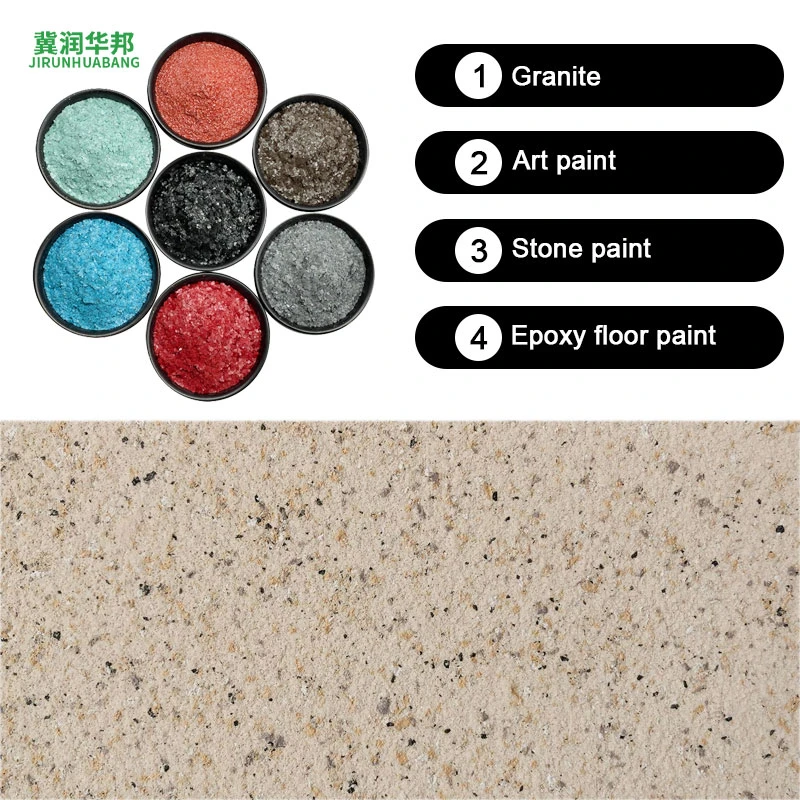
5. Advanced Paint and Coating Fillers

Using refined non-metallic powders to create weather-resistant architectural coatings capable of withstanding the extreme UV radiation of high-altitude cities.

Brand Story

Global Development Journey of Hebei Runhuabang New Material Technology Co., Ltd.

Foundational Excellence

Established with a vision to bridge the gap between raw mineral extraction and high-end industrial application, focusing on purity and consistency.

Technological Breakthroughs

Invested in advanced micronization and surface modification technologies to serve the global skincare and aerospace industries.

Global Market Expansion

Expanded operations into South America, establishing strategic supply chains to provide Peru with tailored mineral solutions.

Commitment to Sustainability

Pioneered eco-friendly processing methods to reduce waste and carbon emissions in the non-metallic mineral manufacturing process.

Future Vision

Aiming to become the world leader in precision mineralogy, solving complex material challenges for the next generation of manufacturers.

Peru Mineral Industry FAQ

Technical answers to the most common queries from local manufacturers.

What is the best kaolin clay for skin whitening for Peruvian climates?

The best kaolin clay for the Peruvian market is one with ultra-low impurity levels and a fine particle size, ensuring it can absorb excess sebum without over-drying the skin in high-altitude regions.

How does the density of wollastonite affect industrial ceramics?

A consistent and high density of wollastonite provides better structural reinforcement and thermal stability, reducing shrinkage during the firing process in ceramic production.

Exactly how diatomaceous earth is made from natural sources?

It is formed from the accumulation of silica-rich skeletal remains (frustules) of microscopic algae called diatoms, which are then mined, dried, and calcined.

Why is it critical to know that diatomaceous earth is silica?

Knowing that it is primarily amorphous silica allows engineers to predict its chemical reactivity, absorption capacity, and its effectiveness as a filtration medium.

What are the benefits of kaolin clay in skincare for oily skin?

Kaolin clay acts as a mild cleanser that draws out impurities and excess oil from the pores without stripping the skin of its natural moisture, making it ideal for mixed skin types.

How to source high-purity non-metallic minerals in Peru?

The most reliable way is to partner with global suppliers who provide comprehensive COA (Certificate of Analysis) and adhere to ISO quality standards for mineral refining.

Partner with Mineral Experts

Ready to elevate your production quality? Our technical team is available to provide customized mineral solutions for your business in Peru.

Contact Us Now
About Runhuabang
Hebei Runhuabang New Material Technology Co., Ltd. is a comprehensive enterprise integrating production, processing and sales
Get In Touch
0811, Building H2, Poly Plaza (North District), 95 Shifang Road, Chang 'an District, Shijiazhuang, Hebei
Subscribe Our Newsletter
* Trust me, we will not spam your email
xeyx.webp3
xeyx.webp1
xeyx.webp2

If you are interested in our products, you can choose to leave your information here, and we will be in touch with you shortly.